I like affordable storage when the job and the drive’s behaviour match. That is the only sensible way I would approach the WD Red WD40EFAX. It provides a defined 4TB storage option, but its exact model number matters much more than the familiar red label or the broad word NAS on a listing.
Quick verdict
I would consider it only for an explicitly compatible light workload; I would choose supported CMR hardware for an array that requires it.
Best for: A carefully checked light storage workload that supports this exact SMR model.
Main benefit: A defined 4TB storage role remains possible when the platform and write workload explicitly suit this exact drive.
Biggest drawback: WD40EFAX uses SMR, which makes the NAS platform, sustained-write and rebuild requirements decisive.
WD Red WD40EFAX, 4TB, 3.5-inch SATA, SMR
Amazon US · US
Check price and availability: WD Red WD40EFAX, 4TB, 3.5-inch SATA, SMR at Amazon USAffiliate link. As an Amazon Associate I earn from qualifying purchases.
Reviewed version: WD Red WD40EFAX, 4TB, 3.5-inch SATA, SMR
Compatibility: The exact WD40EFAX, suitable 3.5-inch SATA bay and power, and current storage-platform approval. Do not treat it as WD Red Plus CMR or infer array support from the Red name.
Review context: I assess workload, compatibility, independent backup and recovery planning without claiming personal sustained-write or array-rebuild measurements.
My recommendation is conditional. I would consider this drive only for a clearly compatible light workload after checking the system’s requirements. I would choose a supported CMR model when the storage platform, array or write pattern calls for one. A small saving should not decide the design of a system holding important data.
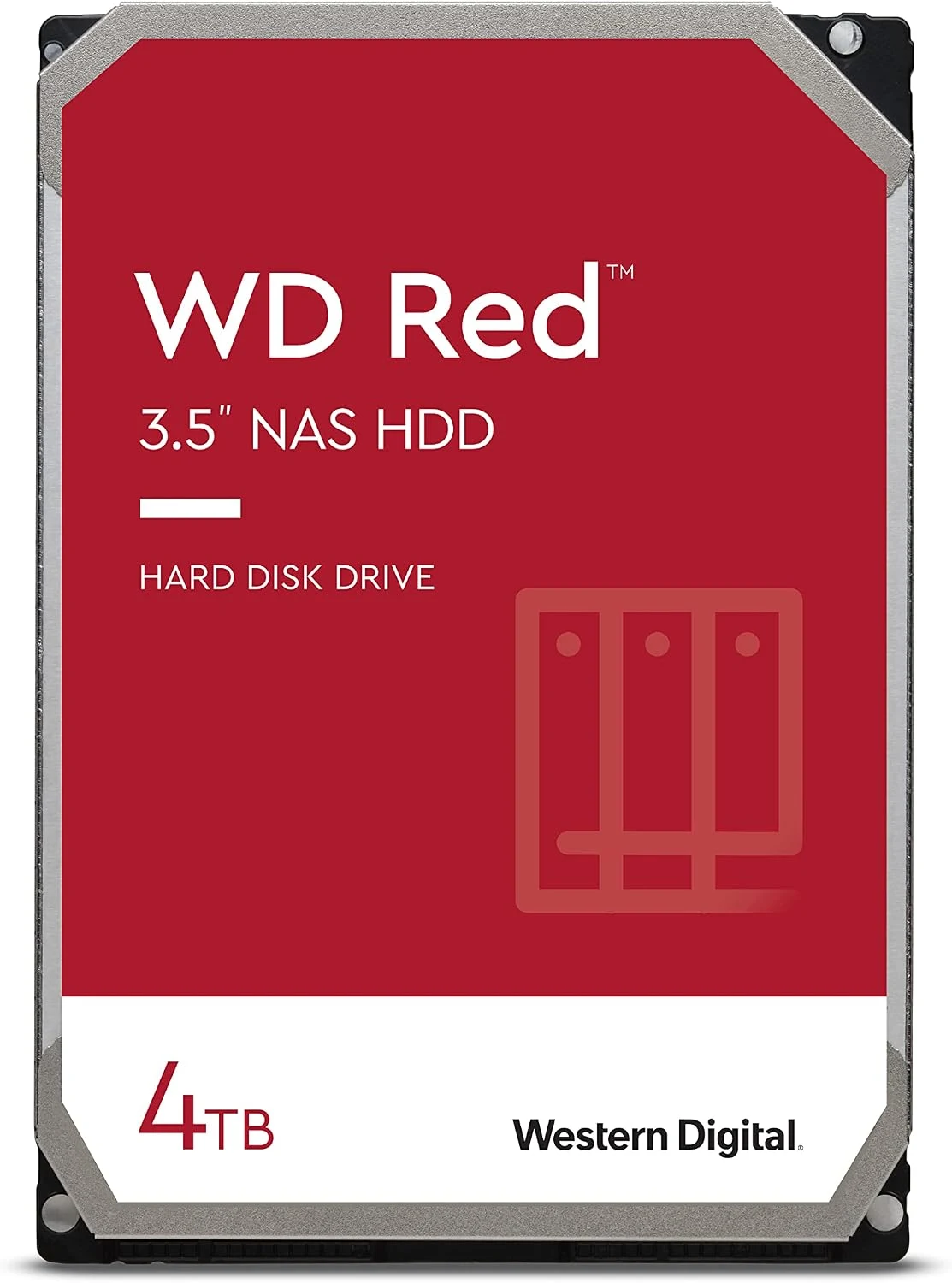
WD40EFAX means SMR
Product images: the verified retailer gallery and any original manufacturer illustration credited in the sources. These are not personal test photographs.
Related reading

Western Digital’s published model table explicitly includes the 4TB WD40EFAX among its SMR drives. The model’s product information also identifies SMR recording. I would keep that fact visible on the purchase decision, not bury it behind capacity or cache figures.
SMR is shingled magnetic recording. The relevant buying point is that recording technology can affect how a drive handles sustained rewriting and certain storage-system workloads. I would not assume that every 4TB hard drive offers interchangeable behaviour simply because it connects through SATA.
I would also avoid generalising from a partial model suffix across an entire brand range. The exact capacity and full model matter. A neighbour’s different WD Red drive can have another recording technology, even when the casing and label look very similar.
The NAS label is not enough
A storage enclosure has its own compatibility guidance and intended workloads. I would check the exact drive against the current list for the chosen model and software version. A physically fitting disk is only the first layer of compatibility, especially for an array that must rebuild after a fault.
TrueNAS’s explanation of WD Red Plus documents the distinction from the affected SMR WD Red range and its ZFS concerns. That is a relevant primary source from a storage-platform maker. I would follow the platform’s actual requirements rather than turn a retailer’s broad compatibility sentence into approval.
For an array purchase, I would decide on suitable drives before creating the pool. Discovering a mismatch while replacing a failed member is a much less comfortable way to learn the difference. The recovery operation belongs in the original buying plan, not only in the failure plan.
Think about writing, not just reading
A collection that is mostly read after a controlled write has different demands from repeated large rewrites or a busy shared system. I would describe the expected workload in ordinary terms before choosing a drive. That makes the recording-technology question more concrete than arguing about whether SMR is universally good or bad.
I would be especially careful about assuming that a short file copy represents every future task. Caches and a changing workload can make a brief impression incomplete. I am not publishing my own sustained-write or rebuild measurements here, so I would not attach an invented performance figure to that concern.
Related reading

The useful decision is whether the exact system supports this drive for its intended role. If the answer needs repeated qualifications that the owner cannot maintain, I would choose a clearer fit. Storage should make the next year easier to manage, not create a permanent explanation for an unsuitable purchase.
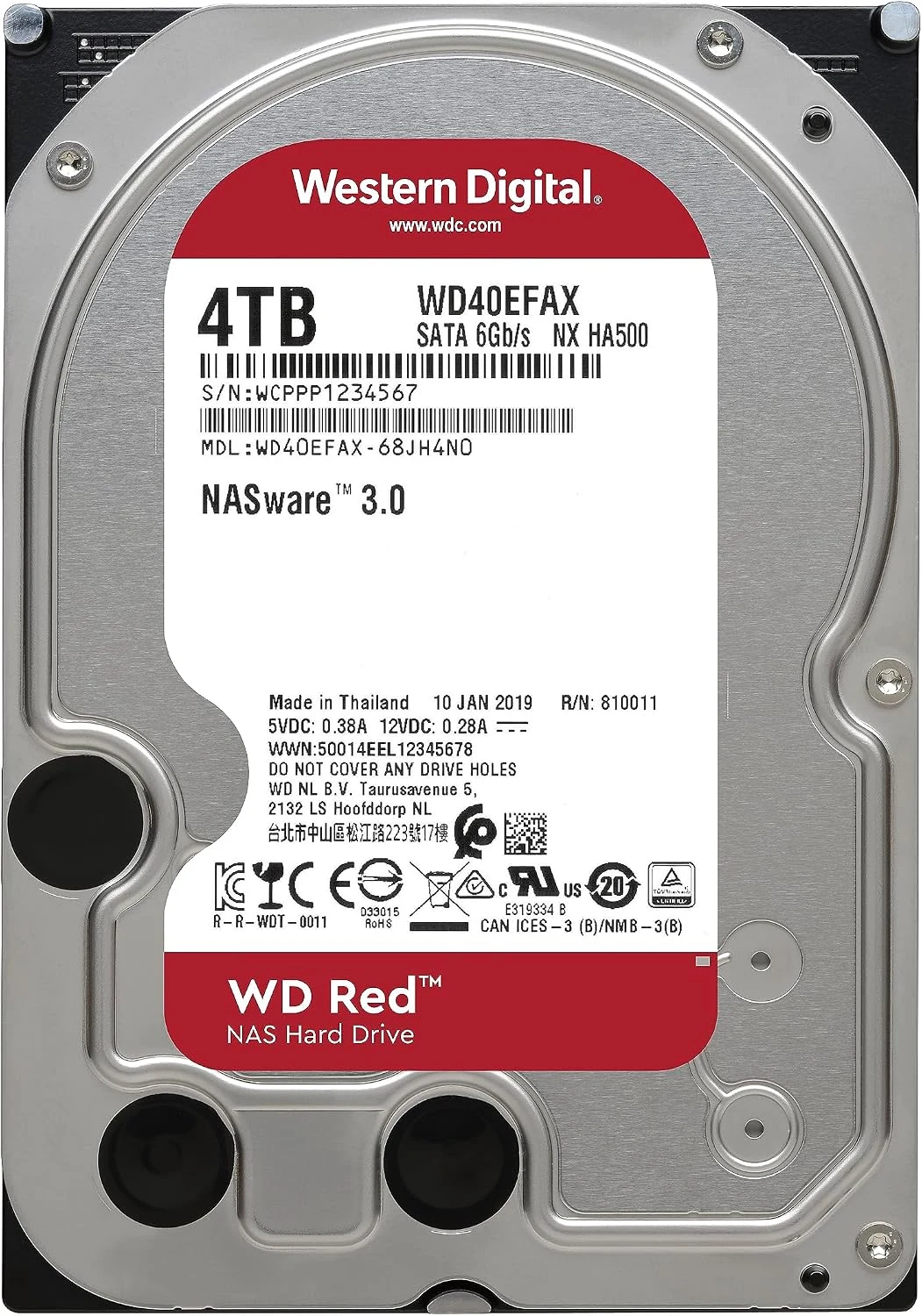
A hard drive is not a backup by itself
Putting important files on a larger disk creates another location, but not necessarily an independent recoverable copy. I would decide which data must survive accidental deletion, equipment failure and a wider household problem. The backup plan needs more than the number of disks installed in one box.
I would keep a copy outside the main storage system where appropriate and confirm that a useful file can actually be restored. A successful backup job and a successful restore answer different questions. The drive’s brand does not remove the need to check both.
For archival use, I would also keep the files organised and understandable. A disk full of unnamed copies can become difficult to recover from even if the hardware still works. A simple inventory and a repeatable backup routine can provide more everyday value than choosing on cache size alone.
Buy the complete storage arrangement
The WD40EFAX is a 3.5-inch SATA drive. I would plan the correct bay, power and connection before ordering it for a desktop or enclosure. A laptop’s available USB socket does not turn a bare internal drive into a complete portable storage product.
I would confirm the seller, supplied condition and applicable warranty as part of the current offer. Older product listings can contain several buying options, and those details matter independently of the model specification. I would not promise that every offer attached to the page has identical terms.
I would record the installed model and its role. That helps a future replacement and prevents anyone assuming all disks in the system are interchangeable.
Related reading

The alternative I would favour for arrays
I would compare a supported WD Red Plus CMR model when the goal is a conventional NAS array or a platform requiring CMR. The exact capacity, model and compatibility still need checking. The Plus distinction makes the comparison more useful, while not replacing the storage system’s own requirements.
The Seagate BarraCuda 2TB is another example of why the exact drive and workload matter; it is not an automatic CMR alternative. I would not solve one recording-technology mismatch by buying a different brand without checking its model.
My buying decision
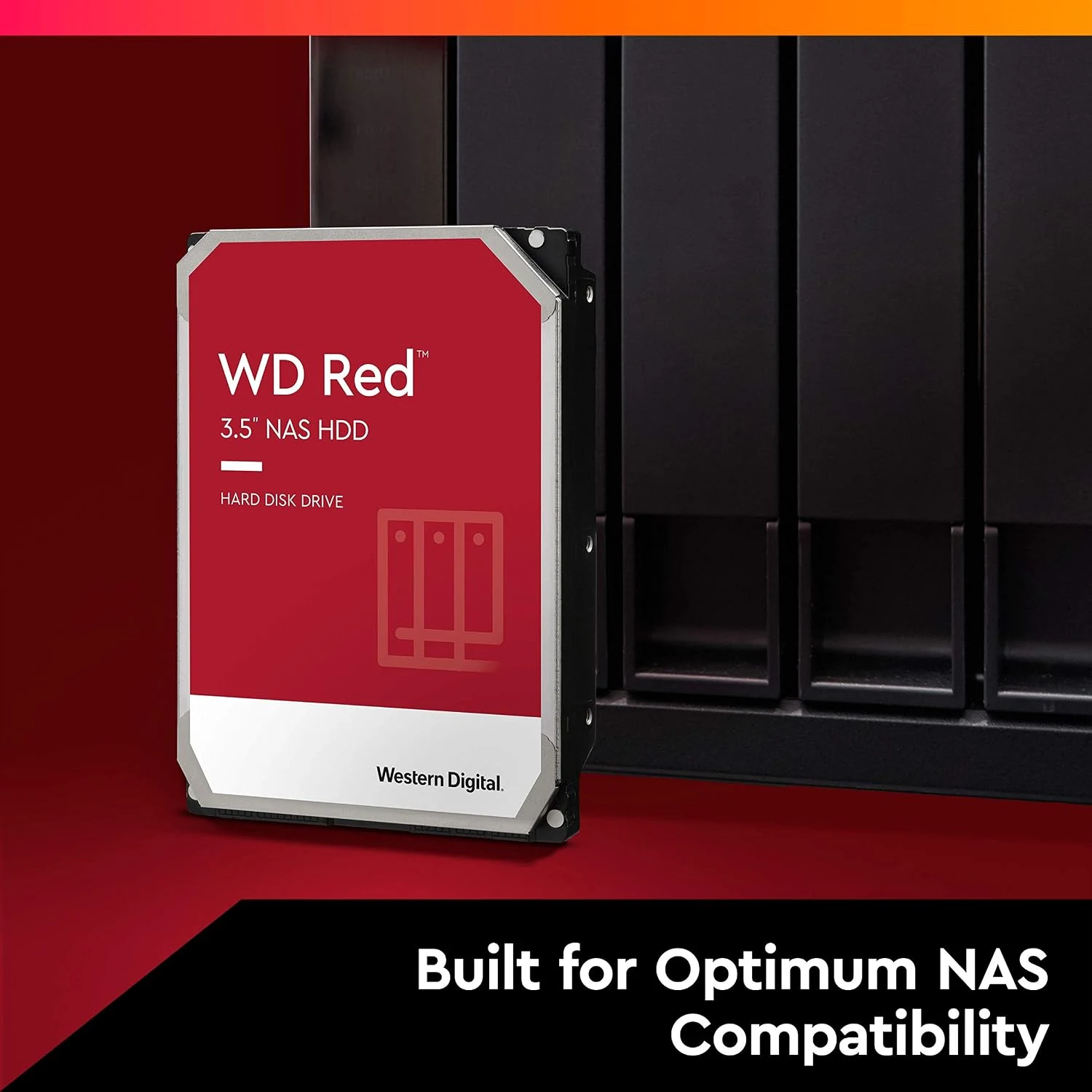
I would consider the WD40EFAX only where its SMR behaviour and the intended light workload are an explicit supported match. For a new array needing CMR, I would buy the appropriate alternative. The worthwhile purchase is the drive that fits the recovery plan as well as the capacity requirement, with a separate backup protecting the data.
What worked
A defined 4TB storage role remains possible when the platform and write workload explicitly suit this exact drive.
What bothered me
WD40EFAX uses SMR, which makes the NAS platform, sustained-write and rebuild requirements decisive.
Who should not buy it
I would not choose it for a platform or array requiring CMR, or as a substitute for an independent recoverable backup.
Alternatives I would consider
A supported WD Red Plus CMR model. I would favour the exact compatible CMR drive for an array whose platform and write pattern require it.
Seagate BarraCuda 2TB. I would read its own workload limits rather than assume a different brand automatically provides CMR. Read my Seagate BarraCuda 2TB review.
Evidence and sources
Specifications are attributed to the linked documentation. Images: Amazon product gallery. These are not personal test photographs or measurements.
Western Digital exact SMR model table
Western Digital WD40EFAX specifications
Features, compatibility and rated figures from the maker are manufacturer information. My opinions are identified in the review.
Conclusion
Only worthwhile when the recording technology fits the whole storage and recovery plan; a saving cannot repair a platform mismatch.
WD Red WD40EFAX, 4TB, 3.5-inch SATA, SMR
Amazon US · US
Check price and availability: WD Red WD40EFAX, 4TB, 3.5-inch SATA, SMR at Amazon USAffiliate link. As an Amazon Associate I earn from qualifying purchases.
One email a week with practical Mac workflows, useful comparisons and honest tech recommendations.