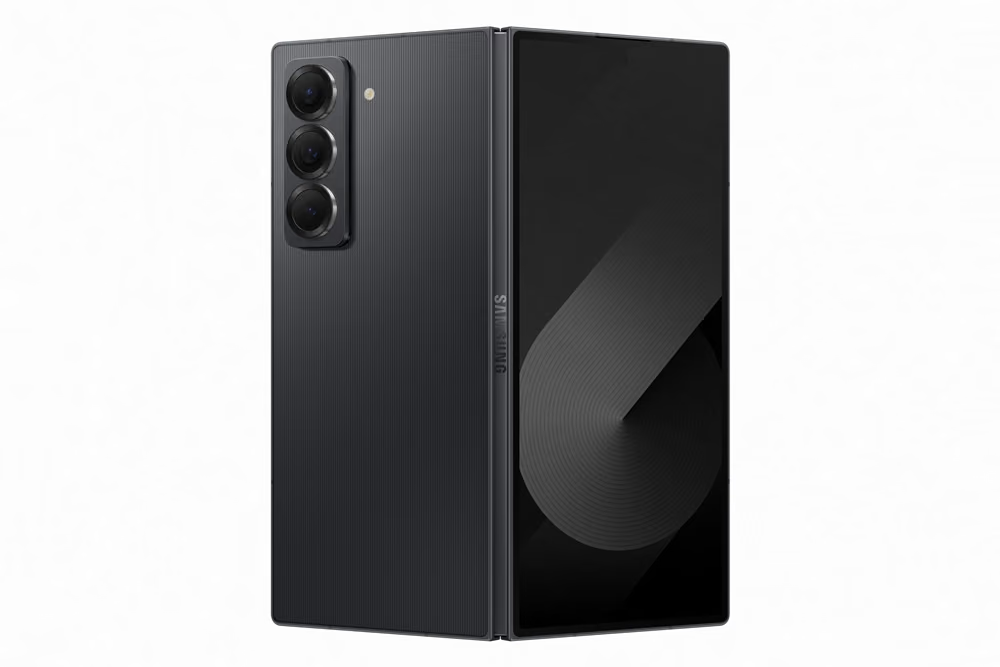
The Galaxy Z Fold Special Edition brought two bigger screens to the Korean release
Samsung sold the Galaxy Z Fold Special Edition in South Korea on October 25, 2024. It gave the earlier Fold6 generation a thinner body, 6.5-inch cover and larger 8-inch inner display, along with a 200MP main camera. This was a distinct configuration with a limited initial market. Its price was 2,789,600 won at the announced Korean sale. Buyers outside that launch market had to keep local availability, service and device compatibility in mind before treating it as a direct alternative. Samsung’s Korean retail notice for the Special Edition
Quick verdict
Retail release in South Korea · Archive date
I would have chosen it if the broader cover and larger open view made a noticeable difference in work I already expected to do on a Fold.
Best for: A Korean-release buyer who could use the body comfortably and gained a supported layout or higher-resolution photo in regular work.
Main benefit: Both screens had more practical space than the standard Fold6 and the phone was a little thinner while closed.
Biggest drawback: It had a more restricted retail market. The cost and service path were distinct from those of the broadly sold Fold6.
Reviewed version: The Galaxy Z Fold Special Edition first released in South Korea October 25, 2024, with 16 GB of memory and a 236-gram body.
Compatibility: The original launch and sell-through were Korean. Treat local service, radio support and variant availability separately from the global Fold6.
Review context: I evaluate the documented retail hardware and the software available in its release window. Regional variants and software changes are identified where they affect the verdict.
This retrospective uses the Korean configuration with a 236-gram weight and 10.6-millimetre folded thickness as published by Samsung. The device put 16 GB of memory behind its two usable screen shapes. Its main case was the ability to make a little more room in both of them while reducing some of the size in the folded state. It helps to look at what you can do with one compact motion and what you still want to open deliberately.
The cover had a more familiar shape for a simple reply
The 6.5-inch outside panel used a 21:9 aspect ratio. I would have tried a short job I had previously wished worked better on the narrower cover of a Fold. Check a code, bring up an address, type a brief reply and move on to a second small action. Where the controls and keyboard sit is important if the body has to do it all in the same grip. More display width makes some input easier. There may still be a point when the top of the screen is difficult to reach with one hand.
Related reading
A conventional phone can work well through all of those short actions. The Special Edition needed its cover to get close enough that the more unusual and useful things were the ones you did open it for. I would have held the folded phone while standing and with an ordinary case in mind. Its reduced thickness can make it easier to fit the rest of what you carry alongside it. The number of grams saved from the Fold6 is much smaller. It is useful to evaluate those physical changes one at a time.
The open display was better when two useful views fit it
The 8-inch main screen placed more room around a piece of reading or a photo compared with the 7.6-inch Fold6. Starting from a document at an ordinary text size says more about whether you need the new orientation than viewing a full-screen video on each. Adding a second app may make a job possible while you are not at your usual desk. The actual requirements come from how the apps handle the size of their content and their controls. One may show you more of what is relevant. Another may only make its existing page wider.
I would have checked what happens after using the same content on the two screens. It is useful to see whether the open display retains the place you wanted to reach and whether the result can still be found when you close it again. If you keep asking for more space during the same task, the difference in area can support the purchase. A lighter or simpler phone with a separate tablet is a different solution if those tasks take place apart from daily phone use.
The more capable main camera mattered when the crop kept useful detail
The Special Edition used Samsung’s first 200MP Wide camera on a Z Fold series device. A buyer should compare what they had time to capture and keep. Pick a scene containing both a useful nearby detail and something that makes its location clear. A higher-resolution source might preserve both in the same photograph depending on mode, light and motion. I would have checked what the result looked like when shared or cropped. The big inside display can help you look at that part of the photo before deciding which file or version to keep.
It can also be worth taking the same camera task with the phone fully closed. A lens, a preview and a body that stays easy to steady have a combined effect on a short unplanned capture. Somebody whose Fold always has to be opened before they feel comfortable working with it can get much more of the camera’s value once they know how to use it in the folded state too.
Related reading

If the change matters, it should show in what you can finish
I would have tried exactly one job that regularly forced me to switch devices. Open the outer screen on the request, then bring up the reference and the reply together on the inner panel. The more natural cover is valuable when it leaves you more time to decide when the wide screen is worth opening. Another possible gain is being able to check a larger finished picture at the point you captured it. The right review test is the view in which you would normally do that. Leave any case or protective part in its expected position to see exactly what the physical shape takes up.
The Special Edition was different from later widely released Folds even if some ideas looked similar. A local buyer could consider the published launch arrangements and local version. An imported version might have a different service path, carrier setup and access cost. That can affect a purchase before anything about the screen or optics is evaluated. The relevant comparison in October was the readily available Fold6 at a real price and the Special Edition if you could actually buy it and continue using it. In the following generation several of the larger-screen changes were easier to see because buyers could handle a wider-release device. That doesn’t make the earlier Korean version the same launch, and it is worth preserving its date and variant in the archive.
The Special Edition was a useful example of a separate release answering a physical criticism during the same product cycle. It gave the larger display somewhere to fit without forcing buyers outside that market to assume their own Fold6 was suddenly a different offering. I would have considered its cover, camera and Korean availability as connected parts of the same product, including whether a warranty and replacement case could be obtained as readily as the phone itself.
My verdict on the Special Edition
I would have chosen it in the Korean release if a wider cover and inner display made enough difference through my usual apps and the main camera had a real job to do. The Galaxy Z Fold6 offered a similar idea in a different layout and broader distribution. The Galaxy review timeline gives this October configuration its own place between the main generations.
What worked
Both screens had more practical space than the standard Fold6 and the phone was a little thinner while closed.
The main camera reached 200MP for the Fold line, giving the large inside screen a different kind of camera work to inspect.
What bothered me
It had a more restricted retail market. The cost and service path were distinct from those of the broadly sold Fold6.
The reduction in thickness was larger than the reduction in weight. A comfortable case needed to preserve the grip advantage for the owner's own hand.
Who should not buy it
People who already prefer the Fold6's cover format or need a widely available local model and its support arrangements.
Alternatives I would consider
Galaxy Z Fold6. It offers a 7.6-inch main display and broadly available alternative in a smaller view format and slightly thicker folded profile. Read my Galaxy Z Fold6 review.
Evidence and sources
The release date refers to general availability in the named market. The archive filing is ten days later. Feature assessments are editorial judgments based on the documented retail model.
Features, compatibility and rated figures from the maker are manufacturer information. My opinions are identified in the review.
Conclusion
The specification makes sense where the user can gain from the different fit and actually use both view sizes. Compare with what can be bought and maintained locally.
One email a week with practical Mac workflows, useful comparisons and honest tech recommendations.