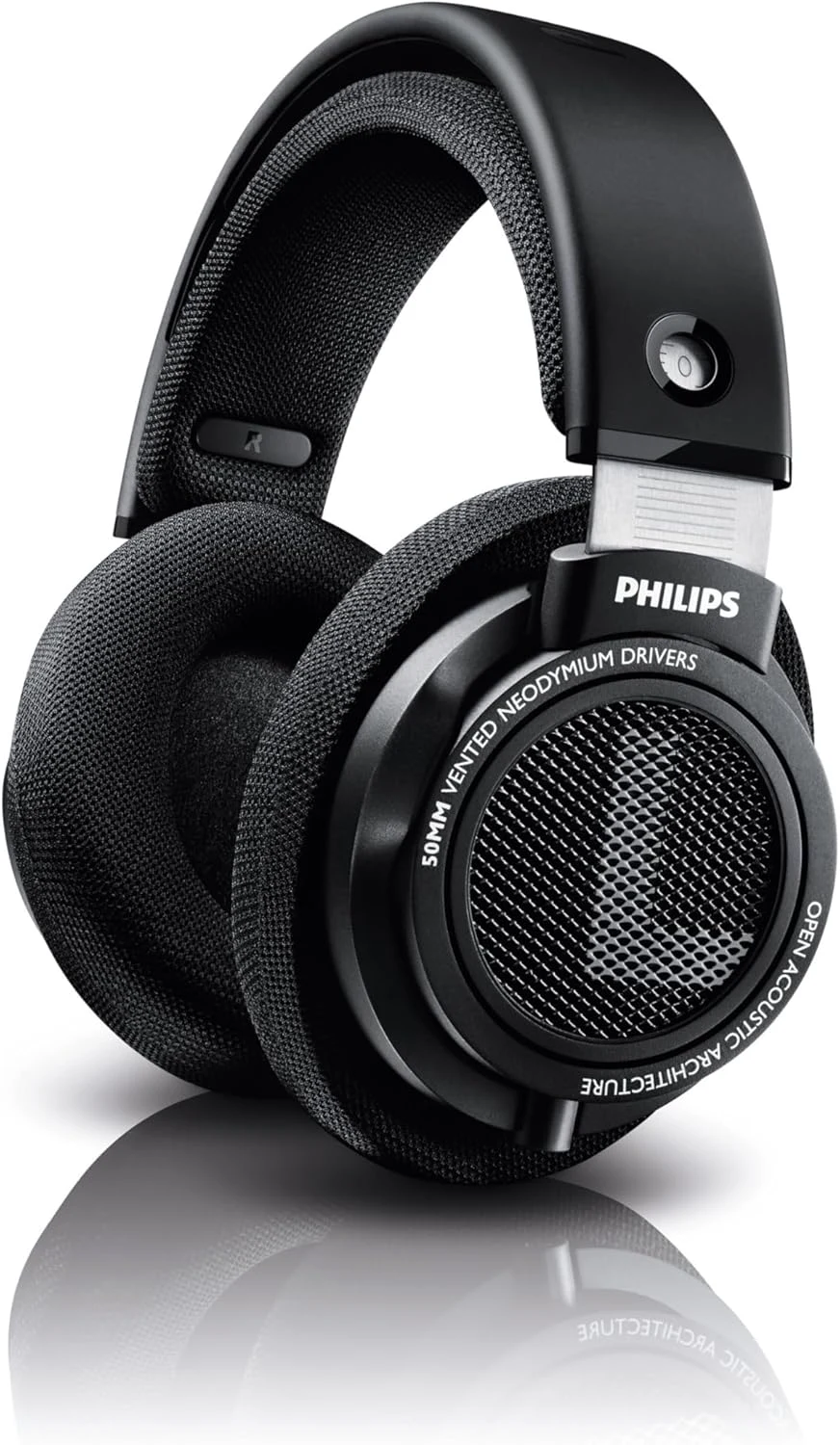
A listening setup can be simple without being an afterthought. The Philips SHP9500 interests me as an open wired pair for a quiet desk, with no battery or wireless pairing routine. I like that focused idea when the room and the listener’s habits already suit it. There is no need to make every headphone serve a commute, a meeting and an evening album equally well.
Quick verdict
I would shortlist it for a quiet indoor listening position with a suitable analogue source.
Best for: I would shortlist it for a quiet indoor listening position with a suitable analogue source.
Main benefit: A straightforward open wired design keeps a dedicated listening setup uncomplicated.
Biggest drawback: It does not isolate the listener or nearby people, and comfort still needs a personal trial.
Philips SHP9500
Amazon US · US
Check price and availability: Philips SHP9500 at Amazon USAffiliate link. As an Amazon Associate I earn from qualifying purchases.
Reviewed version: Philips Audio SHP9500 HiFi Precision Stereo Over-Ear Headphones (Black)
Compatibility: SHP9500/00 open-back wired headphones. Confirm the actual cable and connector package and the intended analogue headphone output.
Review context: I assess a quiet music desk, breathable pad design, shared-room leakage, cable placement and personal fit.
I would shortlist the exact SHP9500/00 and judge the final fit with familiar recordings. This review is based on product information and buying criteria rather than a claimed personal audition. The product’s reputation can help me decide what to investigate, but it cannot establish how its pads, headband or sound will suit another person.
The open design belongs in the right room
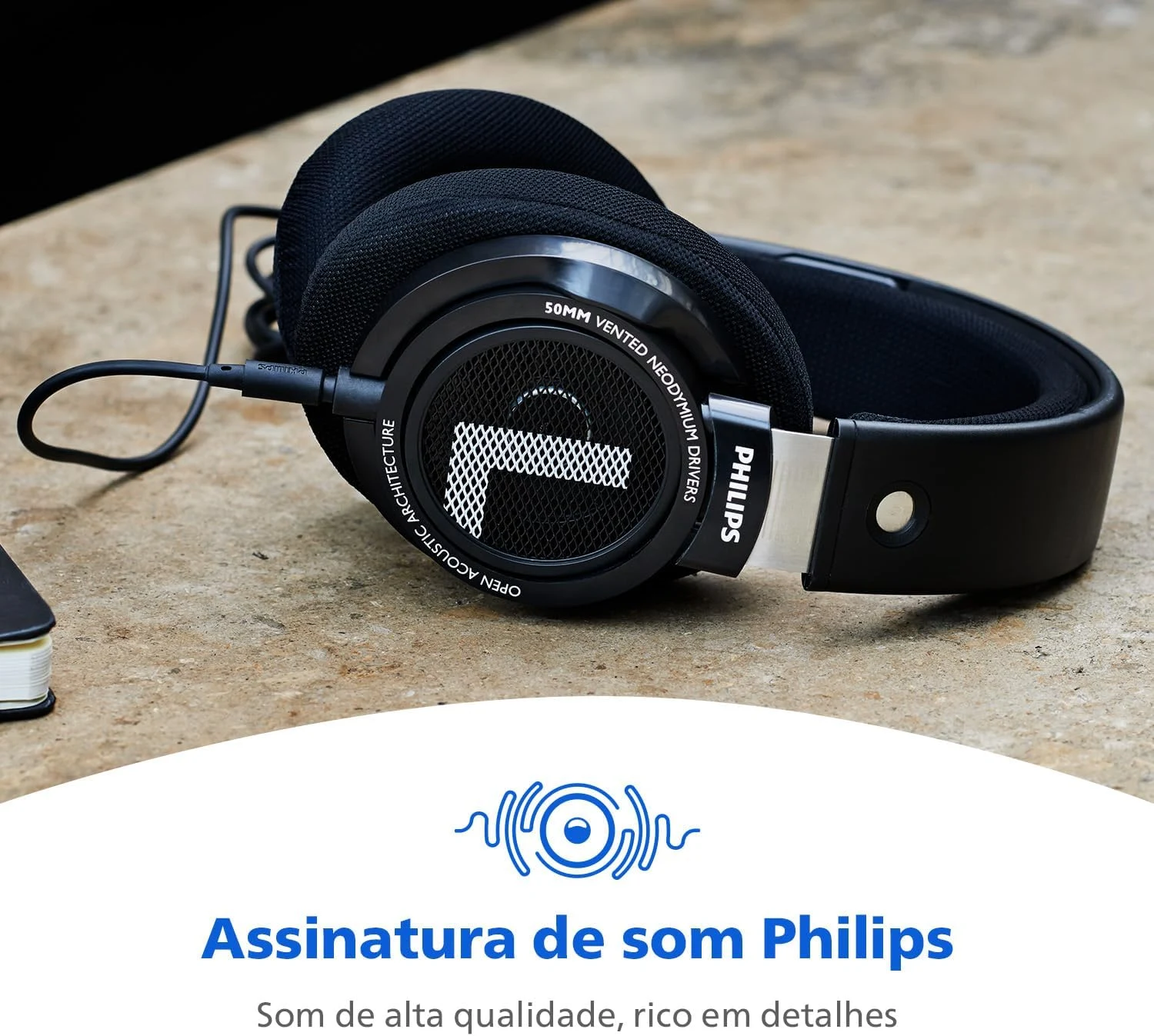
Philips describes the SHP9500 as an open over-ear headphone. I would choose that arrangement where nearby sound and leakage are acceptable. It is a different tool from a closed pair designed around keeping the outside world away from the listener.
Related reading

For a private desk, that can be a deliberate preference. For an office beside colleagues, I would make a different choice if the music would disturb them. I would also avoid trying to overcome a noisy room by raising the volume. The room should support the listening habit rather than force the headphones into a role their design does not address.
A microphone at the same desk introduces another consideration. Sound escaping from an open pair can enter a recording. I would compare closed headphones for voice tracking even if an open pair is used for later listening or editing. Clear roles are more useful than trying to prove one product is the best answer to every audio task.
Pad design is promising, while fit stays personal
Philips describes breathable cushions and a padded headband. Those are appealing design choices for an indoor listening product, but I would not turn them into an all-day comfort result established for me. Glasses, head shape, adjustment and the listener’s movement all influence the fit.
I would assess whether the ear sits comfortably within the pad arrangement and whether the headband position remains natural. A brief demonstration can reveal an obvious mismatch, while a normal session can reveal another. A return period has real practical value for a product worn on the head, even when the specification looks entirely suitable.
For used stock, pad and headband condition deserve attention. Wear can change the support and listening arrangement. I would also check the correct replacement route rather than assume any similar pad from another model is appropriate. An older headphone’s current value includes its maintainability, not just the original product description.
The connection should stay uncomplicated
I like a straightforward analogue listening path on a fixed desk. The exact cable and adapter contents should match the intended source, and the cable should have a sensible route around the keyboard and chair. A simple connection is only convenient if it does not catch whenever the listener changes position.
Related reading
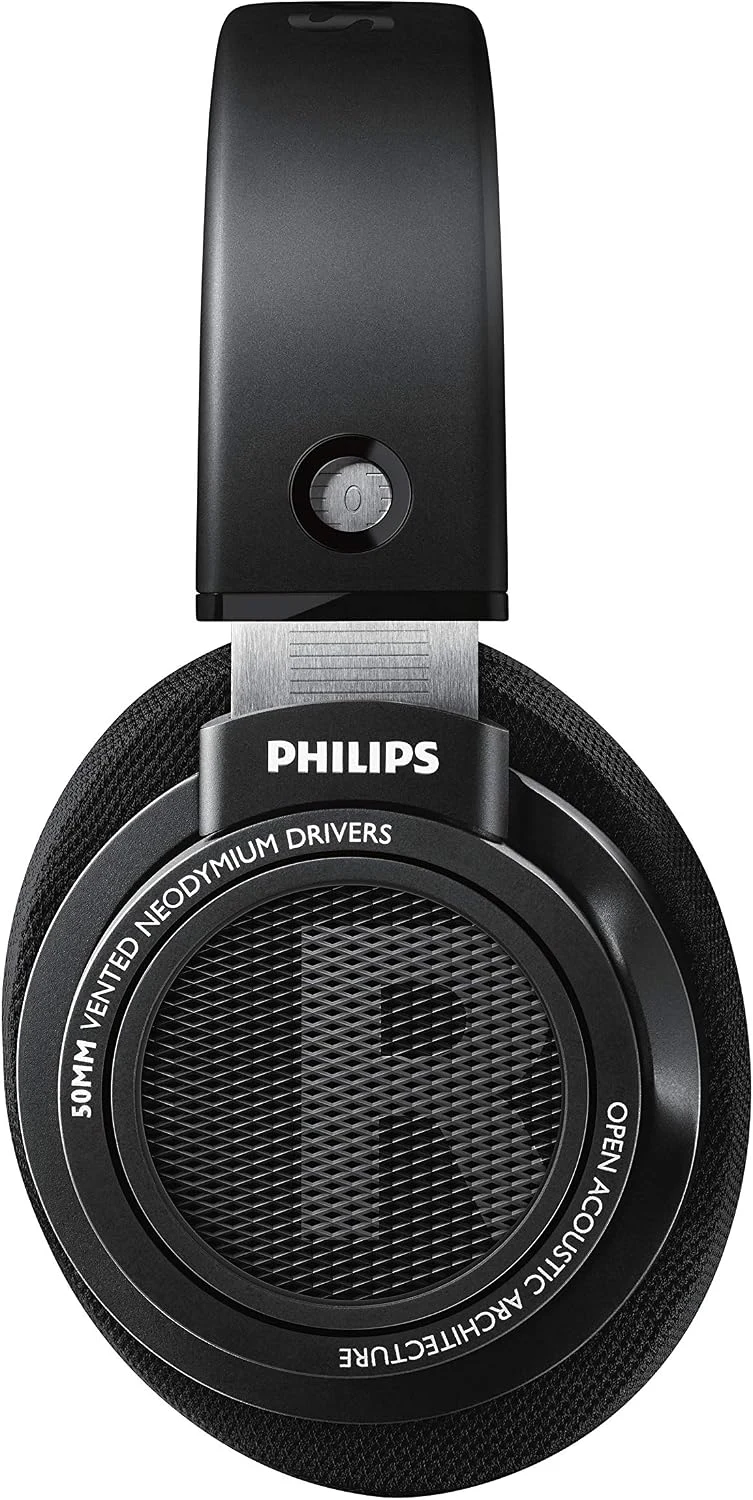
I would confirm the actual package rather than transfer cable details from another SHP model or an old review. Similar family names can hide different accessories. If the host lacks a suitable headphone output, a compatible adapter or source becomes part of the cost. The headphone purchase should include the whole path needed to hear it properly.
This is not a complete communications headset. A microphone remains a separate requirement for calls, and software may need its own input selection. I would keep that distinction clear before replacing a work headset with a listening-focused pair. Reproducing a meeting does not automatically provide a way for the other people to hear the user.
Source choice should solve a real limitation
I would begin with an appropriate existing output and check normal listening level and usable headroom. A separate amplifier or DAC should address a known problem rather than become an automatic addition because the product is marketed for high-fidelity listening. The nicest simple setup may already be adequate for the job.
For a comparison, I would keep levels matched and use music I know. A louder presentation can seem more exciting without proving a more suitable balance. I would include voices, dense material and quieter passages from ordinary listening, rather than only a small set of demonstration tracks selected to flatter the equipment.
I would also distinguish a preferred sound from a universal accuracy claim. A listener may enjoy a particular balance for music while choosing another reference for an editing decision. The goal is a pair that serves the actual task well. Product specifications and a broad frequency range cannot answer every question about that personal preference.
Related reading

What would make me choose another pair
I would compare the HD 599 for another open desk option and focus on fit and familiar listening under the same conditions. I would choose a closed pair when privacy or room noise is the primary requirement. I would keep a communications headset when convenient calls are more important than a dedicated listening arrangement.
My assessment of the SHP9500 is positive for its clear indoor role. I would check the exact package, wear-item support and current offer, then make the final decision through a practical audition or return route. Its value is a comfortable, uncomplicated listening routine in the right room, rather than an assumption that a praised older model remains the right purchase for every person at every price.
The product images come from the selected listing and identified manufacturer materials. My assessment uses the linked product information and the buying decisions explained here. Specifications are manufacturer or retailer claims; the conclusions are my own editorial judgement.
What worked
A straightforward open wired design keeps a dedicated listening setup uncomplicated.
What bothered me
It does not isolate the listener or nearby people, and comfort still needs a personal trial.
Who should not buy it
Someone needing private office listening, noise cancellation or a complete call headset.
Alternatives I would consider
Sennheiser HD 599. I would compare fit and familiar recordings under the same quiet-room conditions. Read my Sennheiser HD 599 review.
Closed-back headphones. I would choose them when isolation is more important than an open listening design.
Evidence and sources
The linked product documentation and exact retailer listing support the product details. Images: Amazon product gallery. These are not personal test photographs or measurements.
Features, compatibility and rated figures from the maker are manufacturer information. My opinions are identified in the review.
Conclusion
Worth considering when the exact package and current offer make an open desk pair attractive.
Philips SHP9500
Amazon US · US
Check price and availability: Philips SHP9500 at Amazon USAffiliate link. As an Amazon Associate I earn from qualifying purchases.
One email a week with practical Mac workflows, useful comparisons and honest tech recommendations.