Creator promotion. I created this app. This is an introduction to my own work, not an independent product review.
View Padle Block Blaster on the App Store Hero image: Jakub Jirák · App Store.
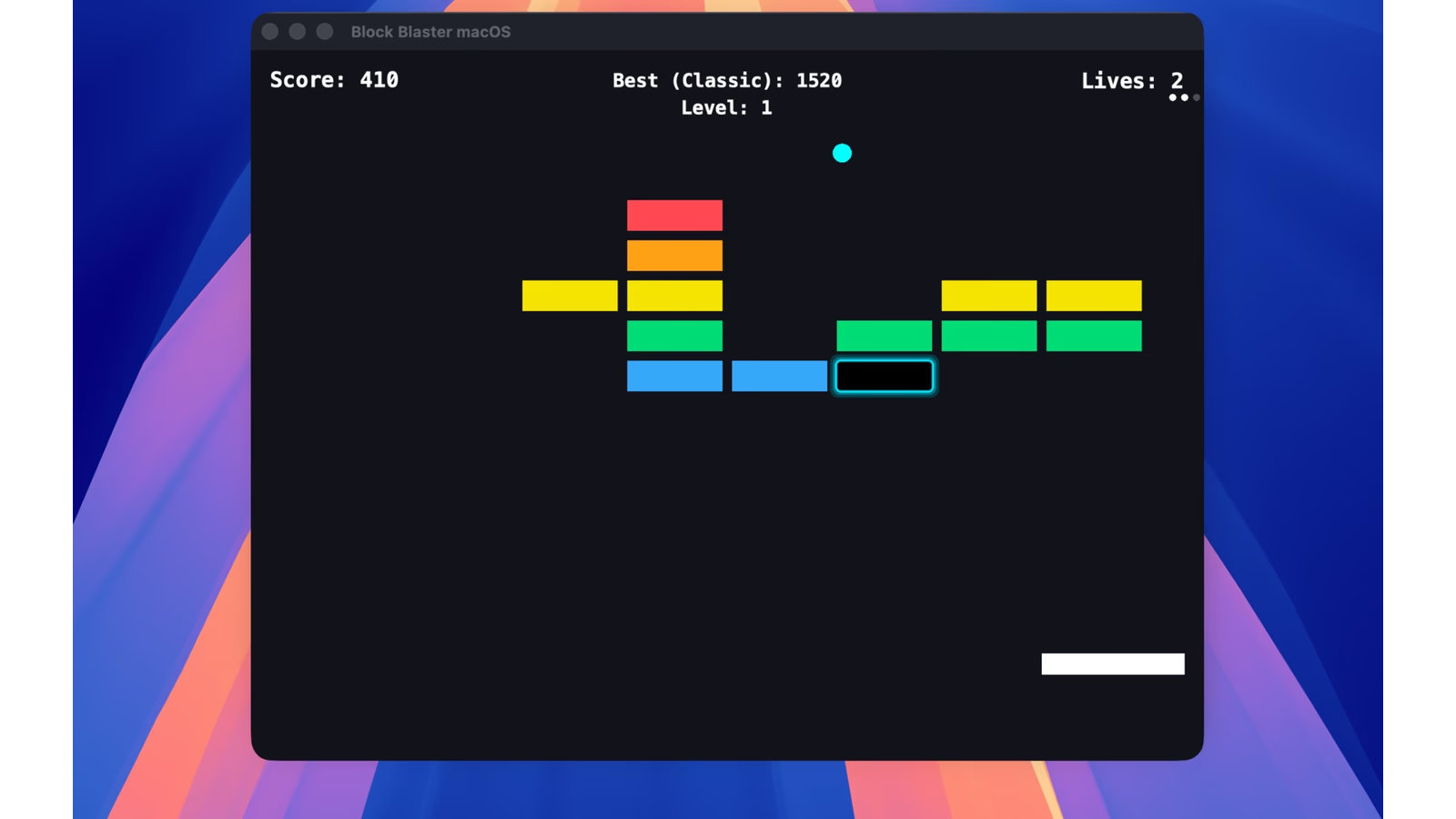
One ball is coming back toward the bottom of the screen. There is time for a small correction, then the next bounce decides where the action goes. Padle Block Blaster takes that familiar arcade moment and gives it a bright, compact home on the Mac.
This is a promotional introduction to my own game. The screenshots come from its actual App Store listing, showing the paddle, blocks and playing field you can see in the published app. The next few minutes can be one level, one useful adjustment or another attempt at a personal best.
The idea is direct: move the paddle, keep the ball in play and clear the blocks. What makes another attempt interesting is the rhythm between reading the ball, choosing a position and seeing the next return.
A clear rule gets you into the action
Brick-breaking games are easy to recognise because the important objects have obvious roles. The paddle is the part you control. The ball carries the action. The blocks give it a target. You can understand the basic task before learning the details of a particular level.
That makes the first session approachable, but it does not remove the challenge. The ball keeps moving while the useful position changes. A moment spent reacting to the previous bounce can leave little time for the next one. The game asks for attention to the continuing path rather than one isolated event.
Related reading
Start by keeping the ball in play. Clearing the whole arrangement is a later goal. A few steady returns can establish the timing and give you room to observe what the ball does after a wall or block changes its direction.
Watch the return before chasing the reward
The most exciting part of the screen is often where blocks are disappearing. The most useful place to look may be where the ball is about to go next. Learning to shift attention between those two areas is a large part of becoming more comfortable with the game.
Try reading the downward path early. Give yourself time to move the paddle toward the expected return, then make a smaller final adjustment. This is a general way to approach a brick breaker, not a promise that every bounce can be predicted perfectly.
When a ball is missed, identify what happened before it reached the bottom. Were you still following the last collision? Did a late movement create a bigger correction than necessary? One specific observation gives the next attempt a useful direction.
Actual App Store screenshot by Jakub Jirák. Image source.
Position can be more useful than constant movement
Moving the paddle all the time can feel active without making the next return easier. A calmer approach is to arrive near the useful position and wait for enough information to make the last correction. The goal is control, not the largest possible distance travelled across the screen.
This is particularly useful while learning a layout. Give the ball time to show its path. A deliberate movement can leave more attention available for the next bounce than a series of large reactions made too early.
There is still room for quick saves. They are part of the arcade pleasure. The difference is that an emergency correction becomes a response to an unusual moment rather than the normal way every return is handled.
A changing block pattern changes what you read
As blocks disappear, the ball has different spaces to enter and different surfaces to meet. The board is not just a target that slowly becomes smaller. It is a changing arrangement that affects how the next part of the run looks.
Notice when a gap opens or when only a small group remains. The rhythm that worked across a dense field may feel different near the end. The useful habit is to keep reading the present arrangement rather than replaying a movement that belonged to an earlier one.
The published game also includes special bonus blocks. Treat a changed situation as another reason to look ahead. A bonus is enjoyable when you can use the opportunity while still understanding the ball’s path and the paddle’s next responsibility.
Related reading
Classic and Arcade give the session a starting choice
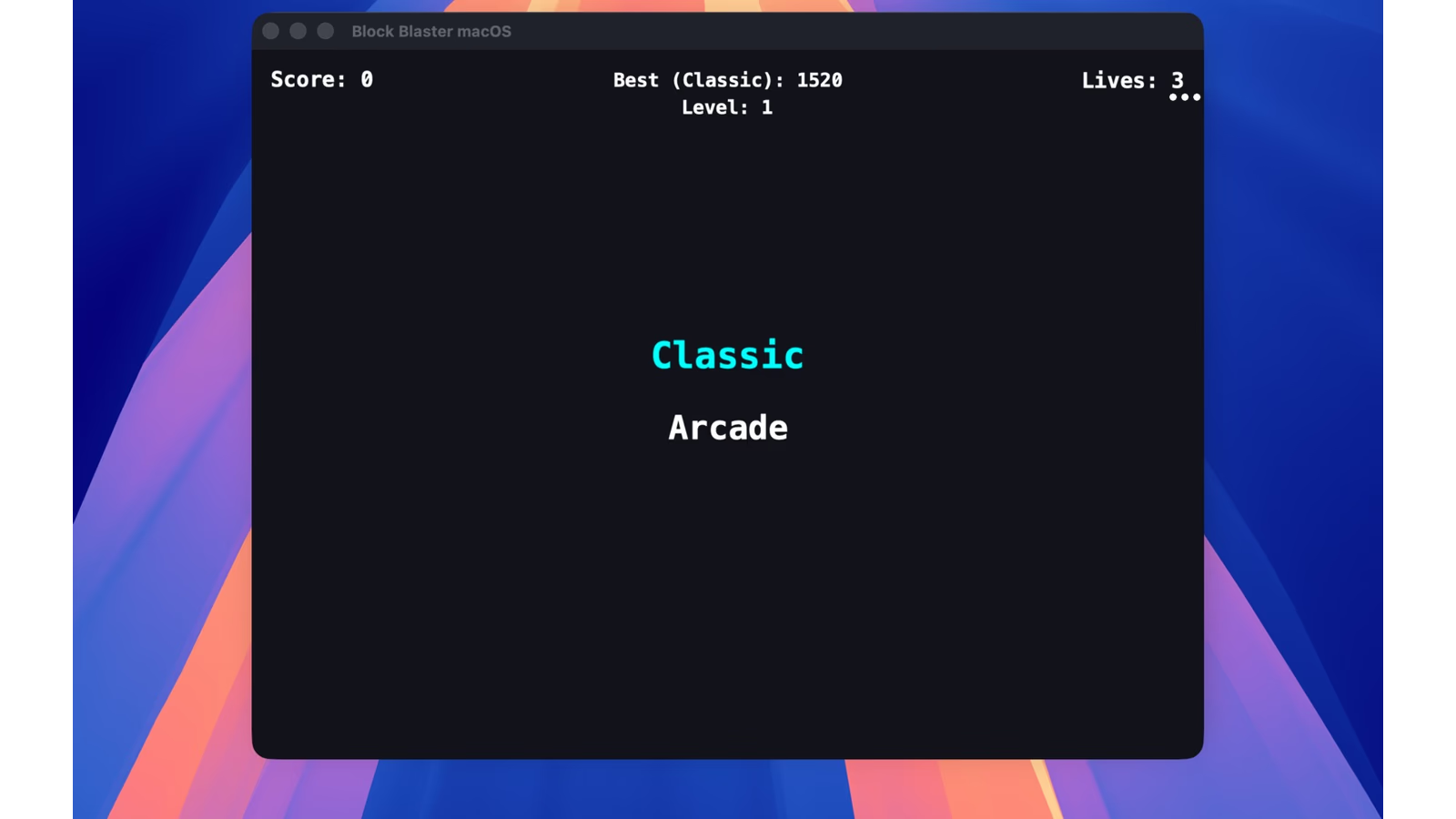
The actual game screen shows Classic and Arcade modes. Choose one and give it enough time to understand its rhythm before switching repeatedly. A clear starting point makes it easier to separate unfamiliar rules from an unfamiliar level or input.
There is no need to decide that one mode is the correct way to play. A short break and a longer attempt can call for different kinds of attention. Explore the option that makes the next run enjoyable, then return to the other when you want a change.
This article does not promise a global leaderboard or a competitive online service. The screenshots show local score information, and the published description presents a Mac arcade game. The appeal is the immediate interaction with the ball and blocks.
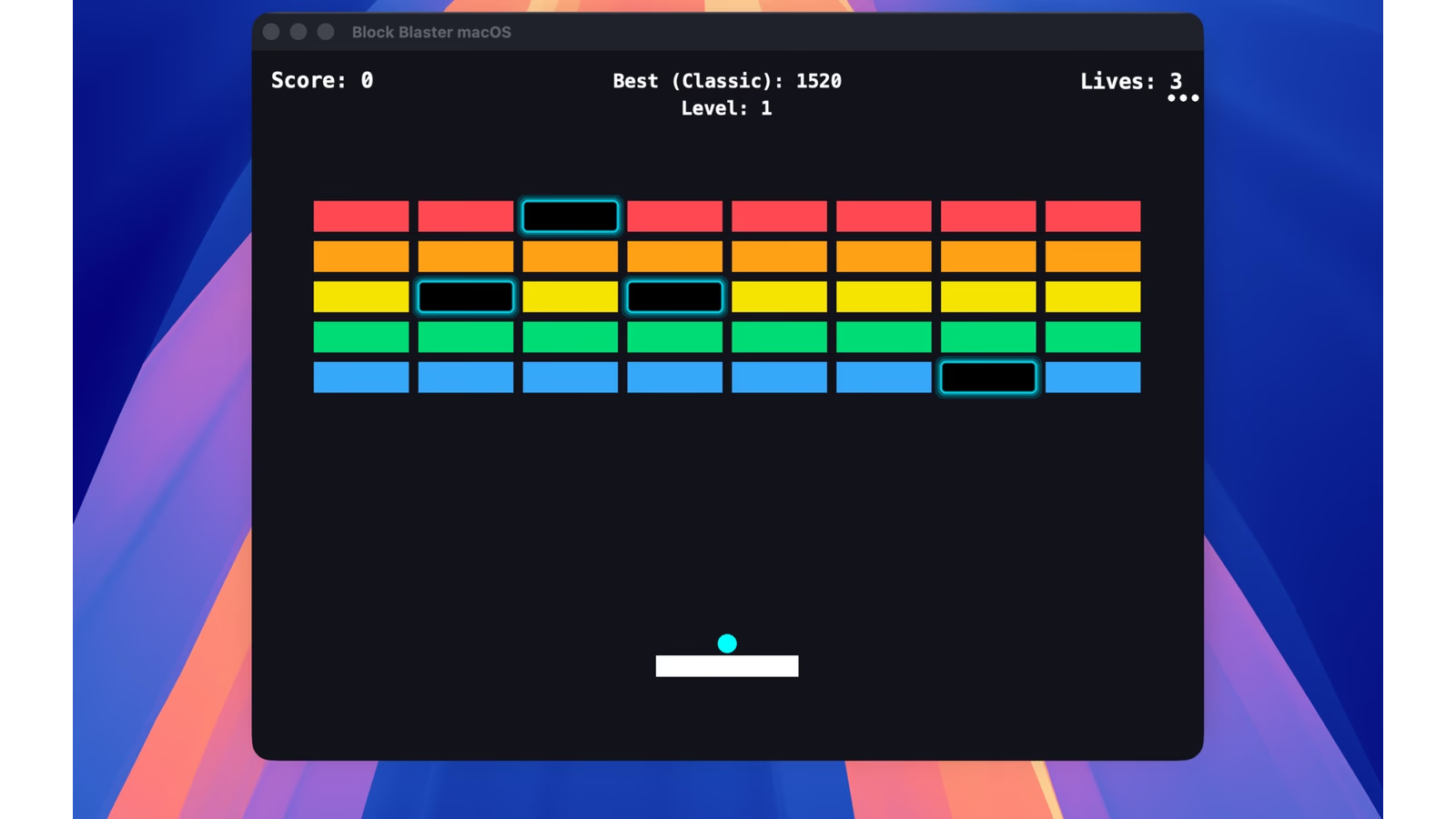
Actual App Store screenshot by Jakub Jirák. Image source.
The visual style makes a small action feel lively
Neon colours, particles and retro-inspired sound give the game its presentation. A single collision can feel more distinct when it has a clear visual and audio response. The rule remains simple while the feedback helps the action feel active.
The real screenshots are useful here because they show the scale of the playing field and the surrounding interface. They are not a cinematic image that promises a different game from the one available to download. Look at them before deciding whether the style fits your taste.
Use sound in a way that suits the room. An arcade break on headphones and a shared workspace do not need the same setup. The useful goal is to make the next session comfortable enough that attention can stay on the game.
Choose one thing to improve
An unsuccessful run can produce a vague feeling that everything needs to be better. A more useful next attempt begins with one idea. Read the downward path earlier. Make smaller paddle corrections. Notice the change after a particular wall bounce.
Give that idea a few returns before judging it. A single unusual collision is not enough to explain the whole attempt. Look for a pattern in what becomes easier or remains difficult. The game is a place to try a simple adjustment and see its consequence immediately.
This is not a training programme or a claim of a measured benefit outside the game. It is a way to make an arcade session more engaging. The improvement being discussed is understanding this ball, this paddle and this attempt.
A score is one way to remember the attempt
The visible score and best result give a session a point of comparison. If you enjoy chasing a number, they provide a reason to return with a clearer plan. If you mostly want a short break, a clean sequence of returns can be satisfying without setting a record.
Keep the comparison useful. A run can teach something even when it ends below the best score. Perhaps a difficult section felt calmer or a late correction became easier to read. Those observations can make the next attempt more enjoyable than simply pressing restart in frustration.
Related reading
Also give yourself a stopping point. One level, one idea or one final attempt can be enough. A small game should fit the time you choose to give it, rather than need a long progression commitment before the session feels worthwhile.
Straightforward play on the Mac
The published listing describes offline play without ads. That gives the game a simple place in a break: open it and focus on the arcade loop. Check the current App Store page for release details and Mac compatibility before buying.
Try the Mac pointer and keyboard controls to find a comfortable way to steer. Use a position where the whole playing field is easy to see and the paddle can be moved without awkward corrections. A clear starting setup leaves more attention for the ball.
For a first session, learn the controls and timing before trying to turn every return into a clever shot. A readable starting rhythm is a stronger foundation than a spectacular save that cannot be repeated. The interesting challenge can grow from there.
Another ball, a better attempt
Padle Block Blaster is for players who enjoy a familiar arcade rule and the immediate consequence of a small movement. It does not need a large story to make the next few minutes active. The ball gives the session its pace, and the changing blocks give it a direction.
If that sounds like a useful break, visit the App Store page for the current screenshots and purchase details. Start with a steady return, watch what changes and give the next attempt one clear improvement. View Padle Block Blaster on the App Store
More from this collection
One email a week with practical Mac workflows, useful comparisons and honest tech recommendations.