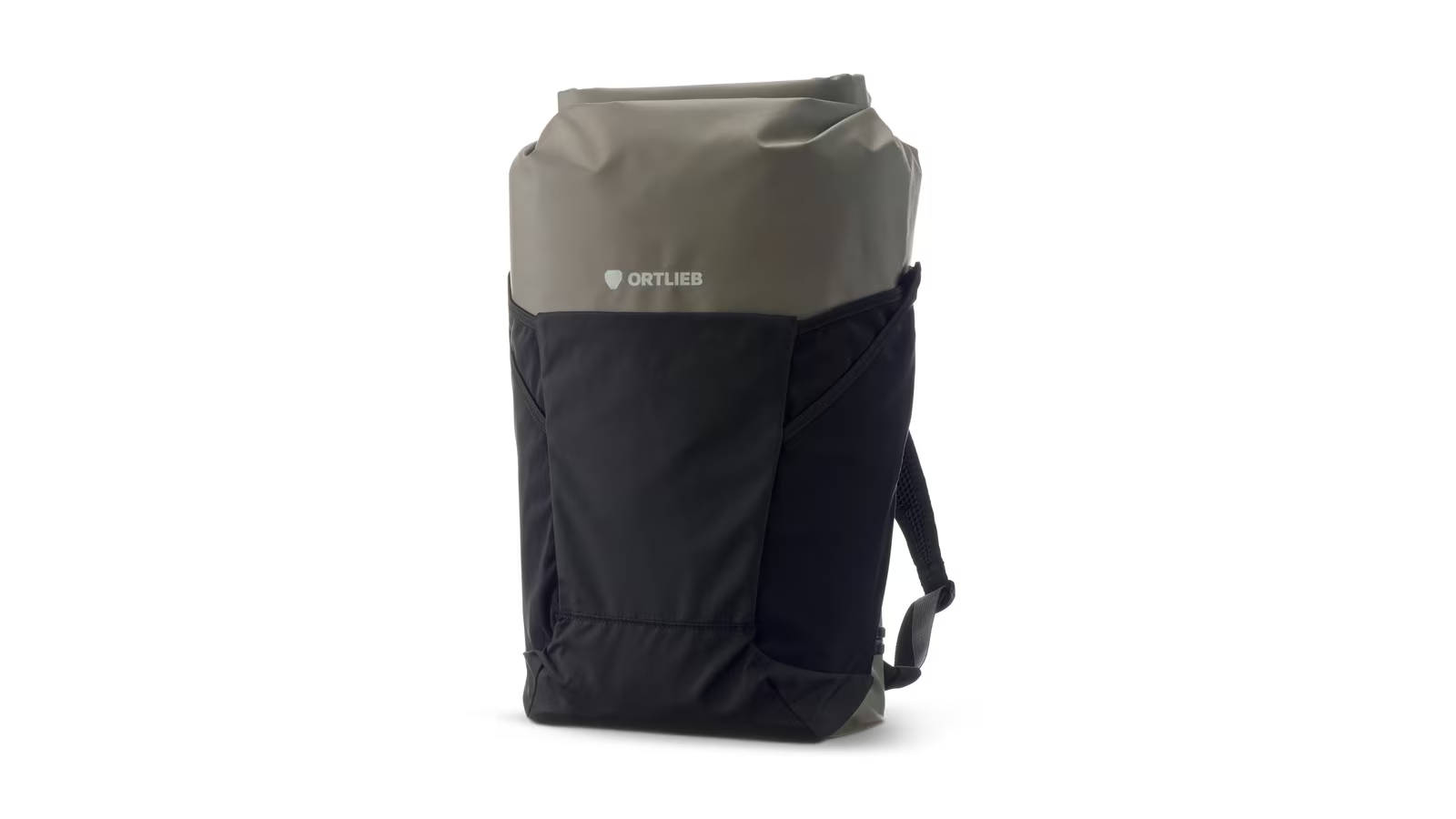
Waterproof bags tend to make daily life harder in exchange for keeping water out. They become stiff tubes with one dark compartment, few accessible pockets and a closure that needs both hands.
The ORTLIEB Daypack 23L tries to keep the useful half of that bargain without pretending to be an expedition dry bag. It has an IP64 rating, a structured everyday shape, external mesh storage, bottle pockets, a laptop compartment and a padded carrying system. The closure must be rolled three or four times and secured down for the stated protection.
That makes it a commuting bag first. It should survive heavy rain and road spray while keeping work equipment organized. It is not rated for immersion, and the 23 litre label does not mean every rectangular object will fit.
IP64 is the useful claim
ORTLIEB’s official Daypack page lists protection class IP64. The first digit, 6, means dust tight. The second, 4, means protection against splashing water from all directions.
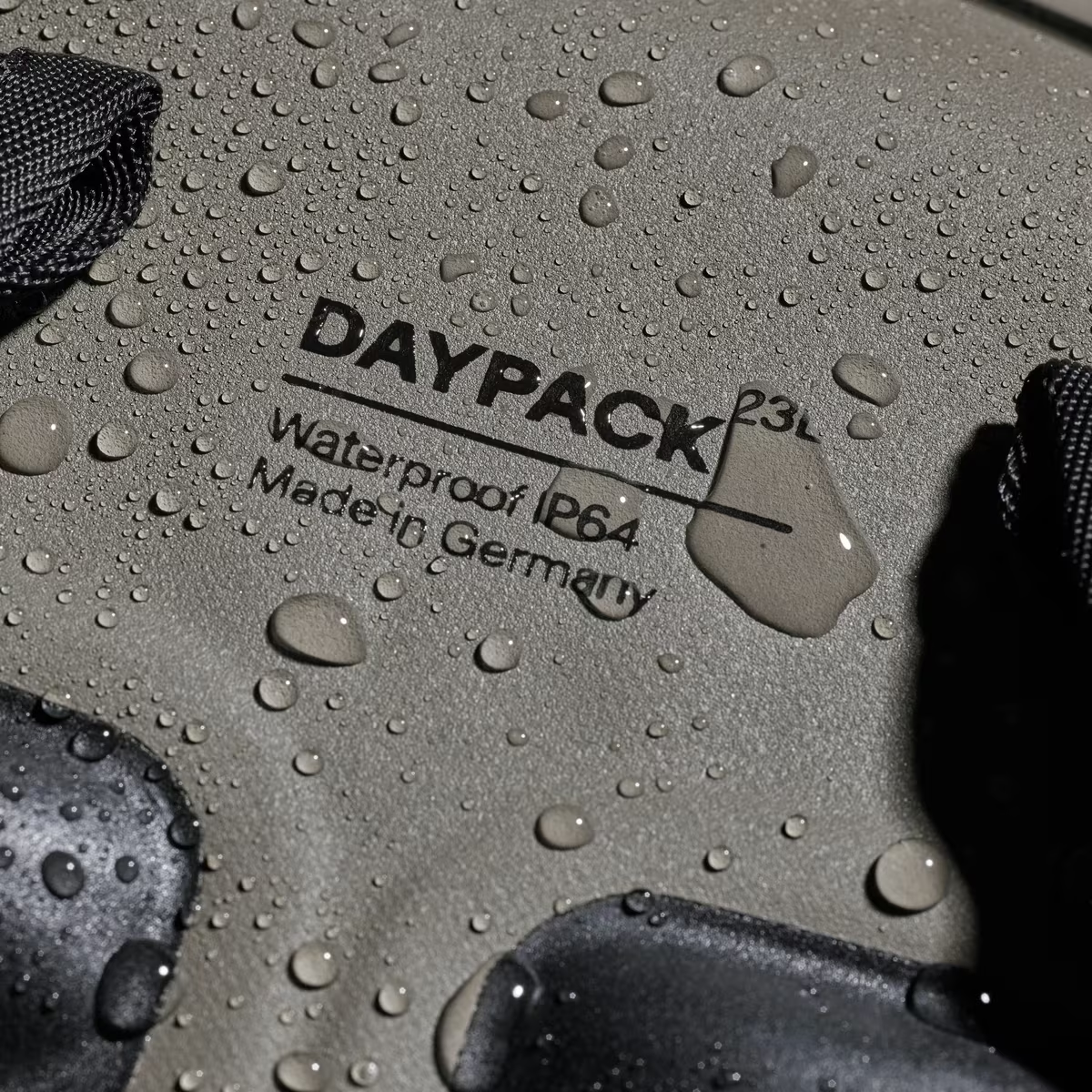
This is more informative than a generic waterproof label. It establishes the test category and, just as importantly, its limit. IP64 does not cover temporary immersion. Dropping the bag into a river or leaving it in standing water is outside the claim.
For a cyclist or pedestrian, splashing from all directions is the relevant problem. Rain reaches the back, shoulders and closure at different angles. Water runs down straps and collects around seams. The bag should protect against that when correctly closed.
The rating belongs to the complete product in its intended configuration. It is not a hydrostatic head number for a fabric sample. The material could resist much higher pressure while an opening or construction detail determines the bag’s overall class.
This is why the old idea of measuring a backpack only in millimetres of water column misses the product. The IP rating answers the assembled bag question more directly.
The closure is part of the specification
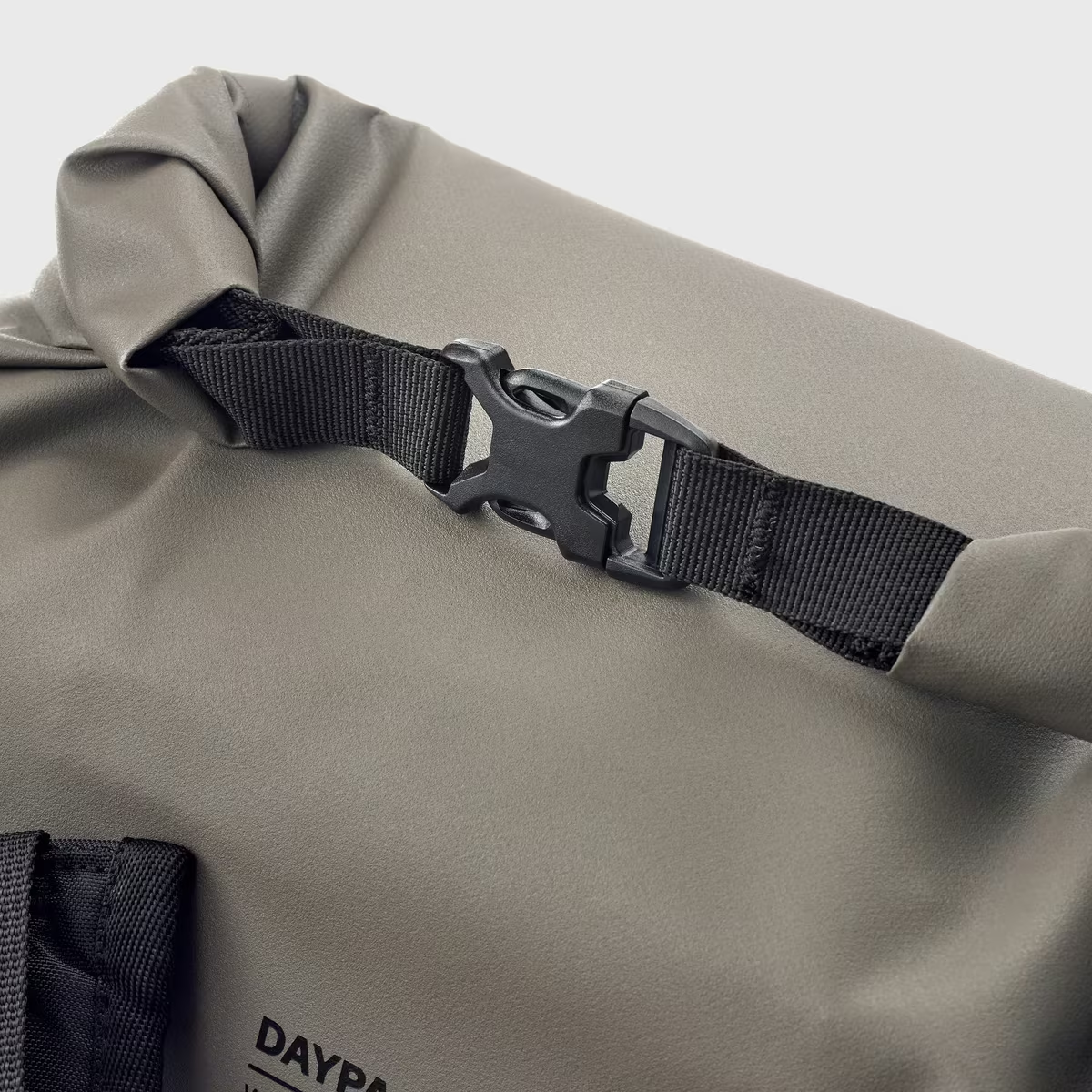
ORTLIEB instructs owners to roll the closure three or four times and secure it downward to achieve IP64. One loose fold on an overfilled bag is not equivalent.
Related reading
The roll consumes vertical space. A 23 litre pack filled to the rim may still contain that volume physically, but it no longer has enough material for the protective closure. Usable weatherproof capacity is therefore smaller than maximum open capacity.
Pack the tallest item first, close the bag properly and then judge volume. A laptop, lunch box and camera may fit separately but create a stack that prevents the required rolls. Soft layers fill the taper more efficiently than rigid boxes.
Practise the closure before a wet commute. The folds should be even, without a jacket sleeve or cable crossing the seal. Secure both sides in the specified direction. A user who leaves the bag half closed for quick access has chosen convenience over its water rating.
Unlike a zipper, the roll top can tolerate a changing load and has no fine teeth to clog. It is slower for repeated access. The exterior pockets therefore carry much of the everyday value.
Twenty three litres is enough, with a shape condition
ORTLIEB lists external dimensions of 49 by 32 by 22.5 cm, a volume of 23 litres and weight around 870 g. The shape is wider at the top and narrower toward the base.
Volume does not describe geometry. A wide helmet, square food container or camera insert can waste space around a tapered body. A flexible coat adapts easily. The only reliable fit test uses the real daily kit.
Make a packing list before purchase. Laptop, charger, water, lunch, headphones, lock, tools and an extra layer should all enter while the closure still rolls properly. Put heavy flat objects against the back and soft items farther away. That keeps the centre of mass close to the body.
The external mesh compartment can hold a damp shell or item needed quickly. A zippered mesh pocket handles small essentials, while two side pockets take bottles. External mesh is not part of the dry main compartment. Anything sensitive to rain belongs inside.
Twenty three litres sits in a useful middle ground. It is large enough for a laptop commute and a change of clothes, but not so large that empty space invites excessive load. For grocery runs or bulky camera gear, its taper and six kilogram limit become more obvious.
The laptop compartment has a real size
ORTLIEB states 36 by 24.5 by 2.5 cm for the laptop compartment. Compare all three dimensions with the computer, including its case. A screen size in inches describes a diagonal, not chassis width.
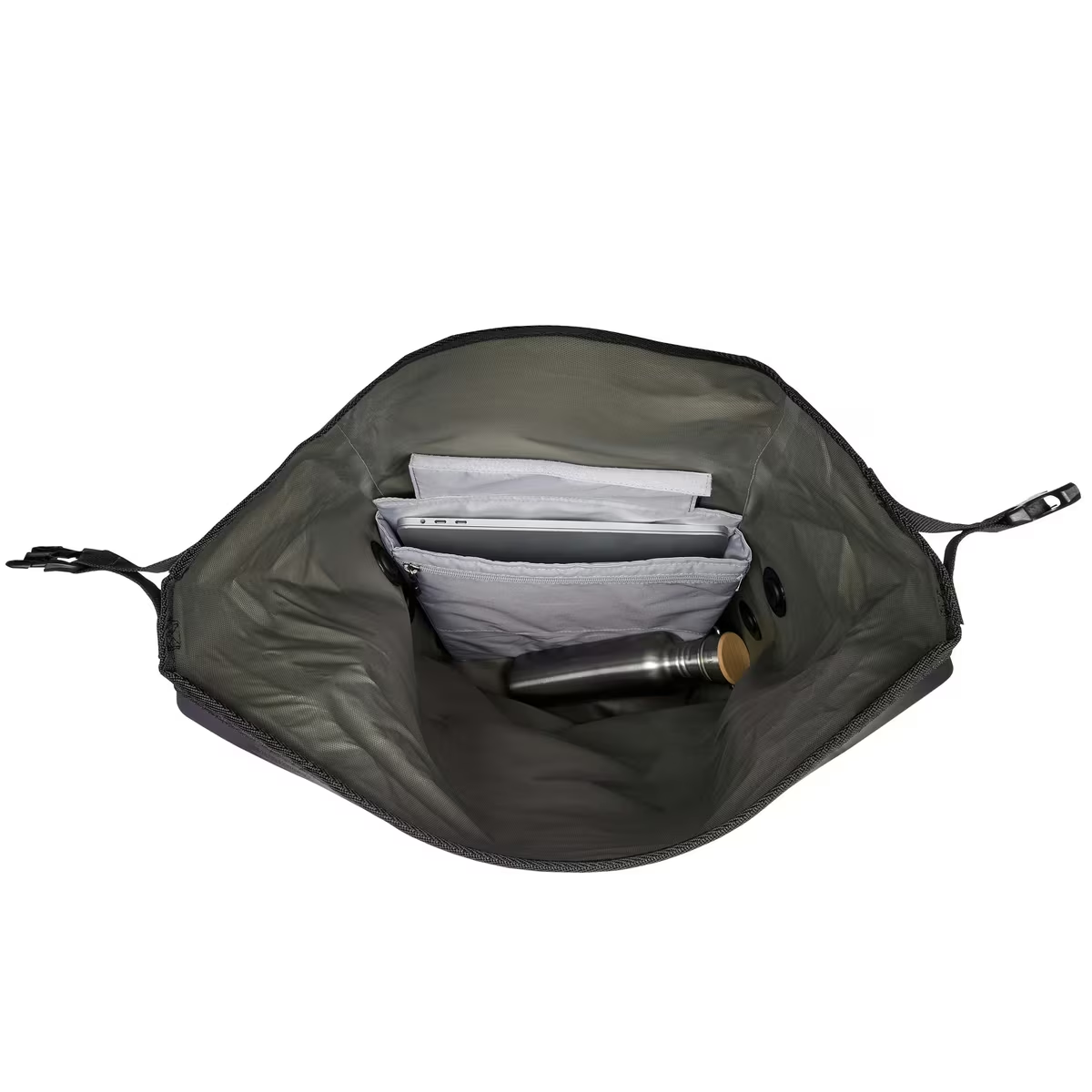
A 14 inch MacBook Pro should be considered by its exact body dimensions and sleeve thickness. Some 15 inch machines may fit, while another with the same display class may not. The upper corners and roll area also matter.
Insert the laptop and close the loaded bag. It should sit flat against the back without forcing the fabric or pushing into the closure. Check whether the bottom of the compartment suspends it above the ground. If it does not, add only a thin protective sleeve that still fits.
Waterproofing is not impact protection. IP64 says nothing about a fall from a bicycle, a bag dropped on concrete or pressure from another suitcase. Keep the laptop in its compartment, avoid overloading the outer side and place the bag down deliberately.
The benefit of an internal laptop area is organisation. The computer does not migrate away from the back as small items move. It also makes security at an office predictable. The cost is reduced flexibility for one large unstructured load.
Carry comfort is a lever problem
ORTLIEB rates the Daypack for a maximum payload of 6 kg, or roughly 13.2 lb, even though some regional specification tables show 22 lb in a general load field. The care and safety text gives the explicit six kilogram warning. Follow the lower clear safety limit and check the label supplied with the bag.
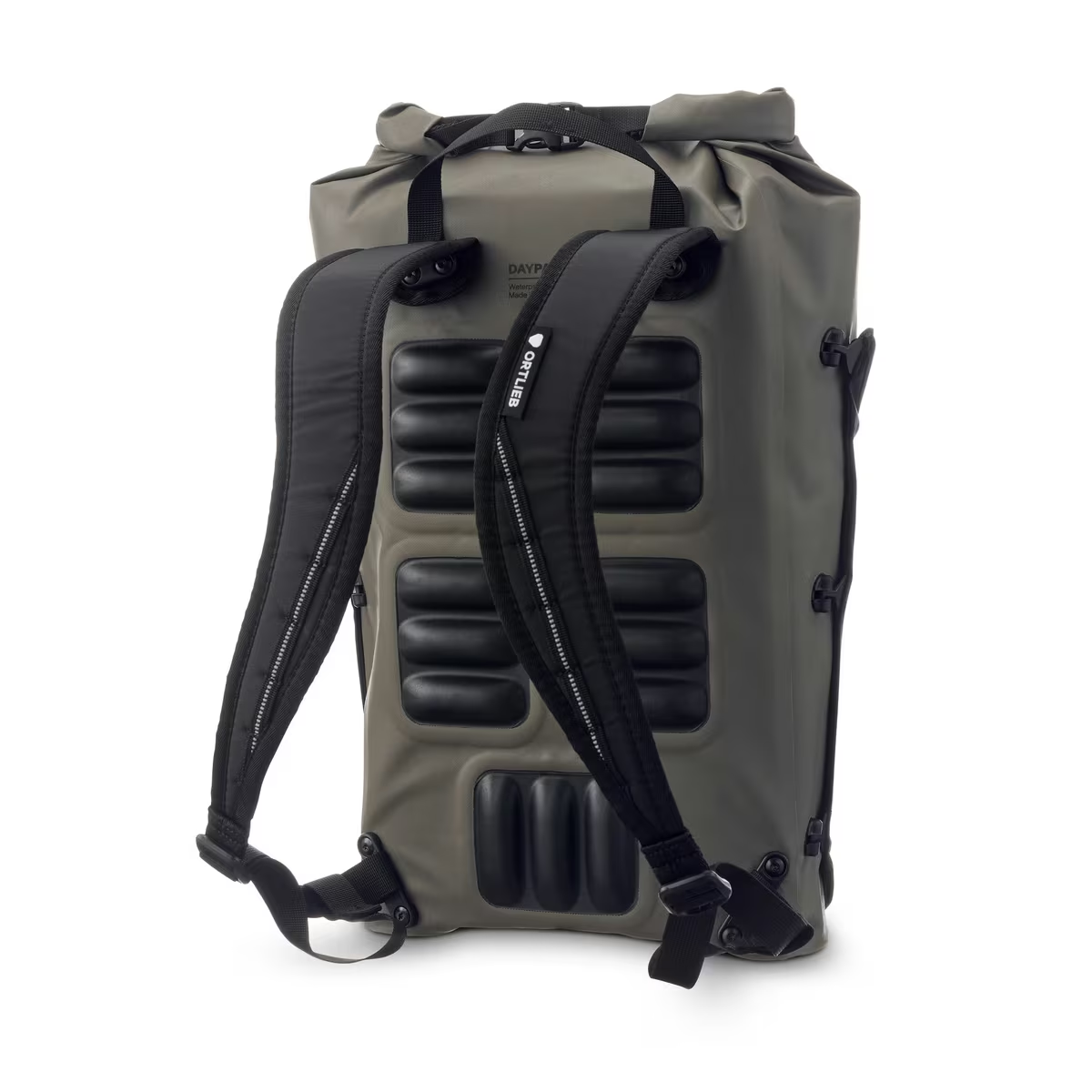
How that mass feels depends on distance from the spine. A two kilogram laptop held close can feel easier than a lighter bottle swinging at the outside. Pack dense items high enough for stability and near the back panel.
Adjust both shoulder straps so the bag sits against the torso without pulling the shoulders backward. The top should not sag away, and the base should not bounce against the lower back. Wear the same coat used on the commute because strap friction and spacing change.
Padded straps and back cushioning improve contact, but the Daypack is not described as a ventilated hiking suspension. A waterproof back area can feel warm during summer cycling. That is a comfort tradeoff, not a leak.
Related reading
Load the intended six kilograms or less and walk for thirty minutes before keeping the bag. Include stairs, a bicycle position if relevant and reaching for a bottle. Pressure at the neck, numbness or a strap edge will not be fixed by the waterproof rating.
TIDURA material is designed for a balance
The pack uses TPU coated polyester in ORTLIEB’s TIDURA construction. The company positions it between protection, handling, robustness and weight.
TPU coating provides a continuous water barrier without relying on a temporary surface treatment. ORTLIEB says reproofing is not necessary. That is appealing compared with fabrics whose durable water repellent finish must be renewed.
Coatings still age. Repeated folding at the same sharp line, abrasion, contamination and long ultraviolet exposure can damage material. ORTLIEB specifically advises against storing the bag rolled or folded and recommends protection from UV during storage.
The structural core helps the pack retain shape with a partial load. That makes laptop access and carrying more consistent. It also means the bag will not collapse into a tiny package when empty.
Inspect high wear points every few months: lower corners, the edge of the core, shoulder strap attachment and roll folds. A white stress line, delamination or exposed textile deserves attention before the next storm.
Organisation is deliberately uneven
The Daypack keeps weather sensitive contents inside one protected main compartment and moves quick access items to mesh. That division is sensible but requires habits.
Keys and access cards need a fixed pocket so they do not disappear under clothing. A wet shell belongs in the large exterior mesh area, where it cannot soak the laptop compartment. Bottles belong outside, both for access and because a leaking bottle inside defeats the purpose of waterproofing from the other direction.
Cables and small electronics benefit from a lightweight internal pouch. Too many organisers add weight and create rigid corners, so one visible pouch is better than turning the main compartment into luggage.
There is no reason to open the roll top in rain for a transit card. Plan external storage around what the commute actually demands. At the same time, do not leave a wallet or phone exposed in mesh on public transport.
The tapered athletic profile looks cleaner than a square courier bag. It also places the largest opening at the top, which makes loading easier while the base remains stable.
A realistic water check is simple
Do not put a new laptop inside for the first storm. Fill the bag with dry absorbent paper, close it with the required three or four rolls and expose it to a strong shower from different directions. Include the back and strap area.
Dry the outside before opening so water on the surface does not fall into the compartment. Inspect the paper, seams and closure. This is not a certified IP test, but it confirms that the individual bag is intact and that the user can close it properly.
Repeat after a season or after abrasion. Small damage matters more than the original rating. If water appears, identify whether it entered through an incorrect closure, contamination or material failure before relying on the bag again.
Never pressure wash the pack. A concentrated jet can exceed the intended splash condition and force water through openings. The same caution applies to submersion.
For electronics, a small secondary sleeve or dry pouch adds inexpensive redundancy in severe weather. It should not be needed for ordinary rain, but it protects against an unlatched roll or a bottle leaking inside.
Cleaning is uncomplicated
ORTLIEB recommends wiping with a damp cloth or using warm water and mild soap, with a soft brush and gall soap for heavier dirt. The bag should dry completely before storage.
Empty every pocket first. Open the roll and clean grit from folds because particles can abrade the coating. Avoid aggressive solvents, machine washing and high heat unless the exact label says otherwise.
Dry with the compartment open in moving air. Do not store damp equipment inside. Waterproof fabric also traps moisture that started within the bag, whether from a wet jacket or condensation.
Salt from winter roads and sweat from straps deserve prompt cleaning. They can remain around hardware and stitching after the visible mud is gone.
Repairability strengthens the price argument
ORTLIEB manufactures the Daypack in Germany and maintains a repair service and spare parts programme. That is important for a bag whose coated body could outlast a buckle or strap component.
Related reading

Repairability should be evaluated locally. Check how assessment, shipping and pricing work in the buyer’s country. Keep the product identifier and proof of purchase. A service programme is more valuable when it can be used without international postage that approaches replacement cost.
Minor field repair tape can keep water out temporarily, but it may complicate a professional repair. Ask before applying adhesive to a damaged coated area.
The pack’s retail price varies by market and colour. Compare total years of use, not only litres per currency unit. A cheaper bag replaced after a zip or coating failure can cost more, while an expensive bag that fits poorly is waste from the first day.
Alternatives depend on the commute
ORTLIEB’s own Velocity family offers a more established courier style roll top and different organisation. Cycling packs with ventilated frames may carry better in heat but can be heavier and less office friendly. A normal daypack with a rain cover offers more zips and pockets, yet the cover can leave straps and back exposed.
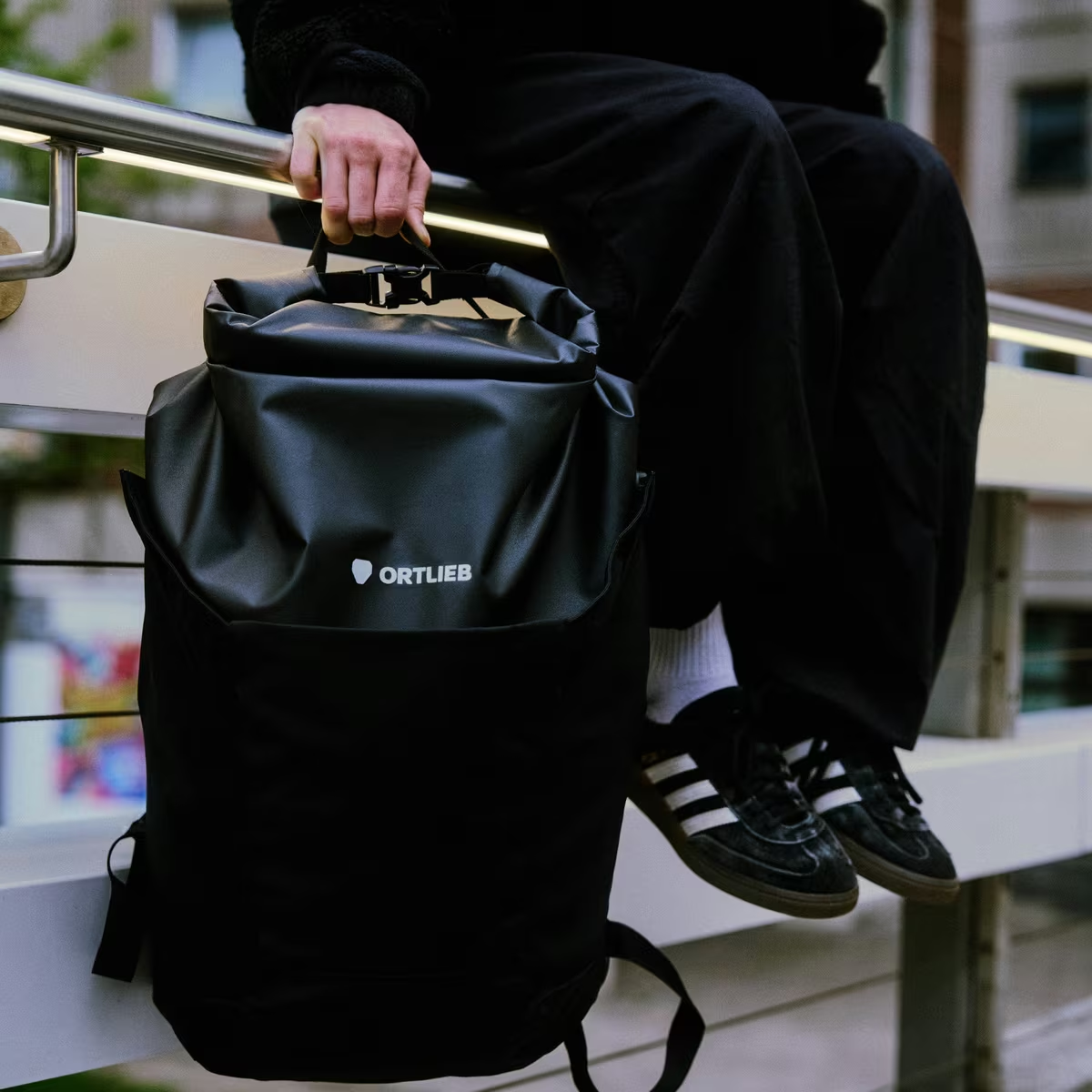
For public transport and short walks, a weather resistant zip backpack may be easier to access. For daily cycling in real rain, welded or coated construction and a disciplined roll top are worth the slower opening.
Do not pay for IP64 if the bag lives between car and office. Do not accept a vague water resistant label if a laptop spends an hour on an exposed bicycle.
Verdict
The ORTLIEB Daypack 23L turns waterproofing into a useful daily specification. It is a commuting bag first: IP64 suits heavy rain and road spray without pretending the pack can be immersed, and it keeps the organisation that traditional dry bags give up. It is not the bag with the most pockets. It is the bag that makes arriving with a dry computer feel routine.
Why I recommend it
- A rating for the whole bag. IP64 means dust tight and protected against splashing water from all directions, the problem a cyclist or pedestrian actually has, and it applies to the assembled product rather than a fabric sample.
- A dry bag that organises. The 36 by 24.5 by 2.5 cm laptop compartment keeps the computer against the back, while exterior mesh storage, a zippered mesh pocket and two bottle pockets take the quick access items.
- No reproofing. The TPU coated polyester in ORTLIEB’s TIDURA construction is a continuous water barrier, and ORTLIEB says reproofing is not necessary.
- Made to be repaired. ORTLIEB manufactures the Daypack in Germany and runs a repair service and spare parts programme, useful for a coated body that could outlast a buckle or strap.
Why it may not be for you
- Rain, not rivers. IP64 does not cover immersion, and waterproofing says nothing about a fall from a bicycle.
- The seal takes discipline. The closure must be rolled three or four times and secured down to reach IP64, which makes the main compartment slow for repeated access.
- Less usable space than 23 litres. The roll consumes vertical space and the body tapers toward the base, so tall rigid items can stop the closure rolling properly.
- A 6 kg limit. ORTLIEB’s safety text gives a maximum payload of 6 kg, even though some regional tables show 22 lb.
- A warm back. The Daypack is padded but not described as a ventilated suspension, so the waterproof back can feel warm during summer cycling, and anything in the exterior mesh is outside the dry compartment.
I would buy it for a wet bicycle, walking or mixed commute, after loading the exact laptop and daily kit, closing it properly and walking for half an hour. For long hot routes a ventilated hiking pack carries better, and when rapid access matters more than reliable rain protection, a conventional zip bag is the better choice. ORTLIEB’s own Velocity family offers a more established courier style roll top. If the bag only travels between car and office, do not pay for IP64 at all.
Product images: ORTLIEB.
One email a month: new articles, reviews and the upcoming live webinar + free recording. No spam, unsubscribe anytime.