A baby sleeping bag is one of the few products where more insulation is not automatically better. The right amount depends on the room, clothing underneath, fit and the baby. Overheating is not a sign of comfort.
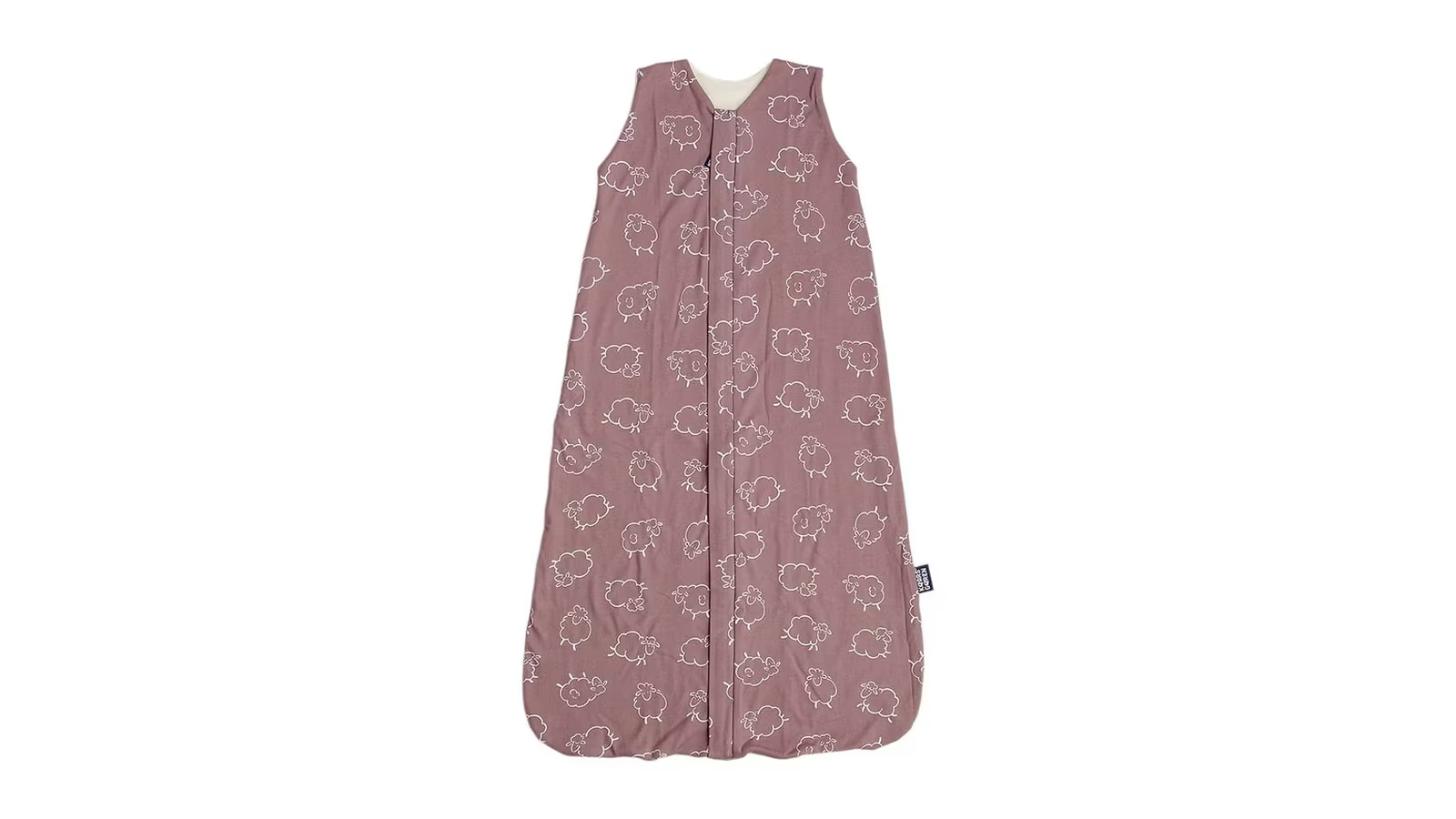
Kaarsgaren gives its 70 cm all-season merino sleeping bag a specific rating of 0.67 TOG and recommends it for rooms around 19 to 25 C. The inside is merino wool knit, the outer layer is cotton, and the bag is made in the Czech Republic. A two way zip helps with changes.
That combination is attractive, especially for a home whose bedroom temperature moves across seasons. The decimal does not remove the need for judgement. A TOG rating describes thermal resistance under a defined test. It cannot choose the baby’s clothing, verify fit or notice a warm neck.
What 0.67 TOG actually says
TOG is a unit of thermal resistance. One TOG corresponds to 0.1 square metre kelvin per watt, so 0.67 TOG represents 0.067 m²K/W under the applicable measurement conditions.
The number lets sleeping bags be compared more meaningfully than labels such as summer or all-season. A higher TOG resists heat flow more strongly. It does not tell us how warm every baby will feel because body size, clothing, humidity, air movement and metabolism also matter.
The Kaarsgaren product page lists 0.67 TOG and approximately 19 to 25 C. That places it between common 0.5 and 1.0 TOG categories. The NHS gives general examples of 1.0 TOG for warmer rooms around 20 to 24 C and 0.5 TOG for hot weather around 24 to 27 C.
These ranges are guidance, not interchangeable certification. The Kaarsgaren figure is product specific, while public health tables describe broad categories. Use the manufacturer’s clothing guidance and current room temperature, then observe the baby.
The two decimals may look like laboratory certainty. Without the complete test report, method, uncertainty and sample variation, 0.67 should be read as a useful rated value, not a promise that every washed bag has exactly that resistance.
Merino is valuable for moisture, not magic temperature control
Merino wool can absorb and buffer moisture while still feeling less clammy than some fibres. Its crimp traps air, and a fine knit can provide insulation without the bulk of thick synthetic fill. Those are good properties for sleep clothing.
Related reading

Temperature regulating is often used too broadly in textile marketing. Wool does not cool a room or guarantee a fixed skin temperature. It changes heat and moisture transfer. If the bedroom is hot, the baby can still become too warm. If the room is cold and the layers are insufficient, merino does not create heat.
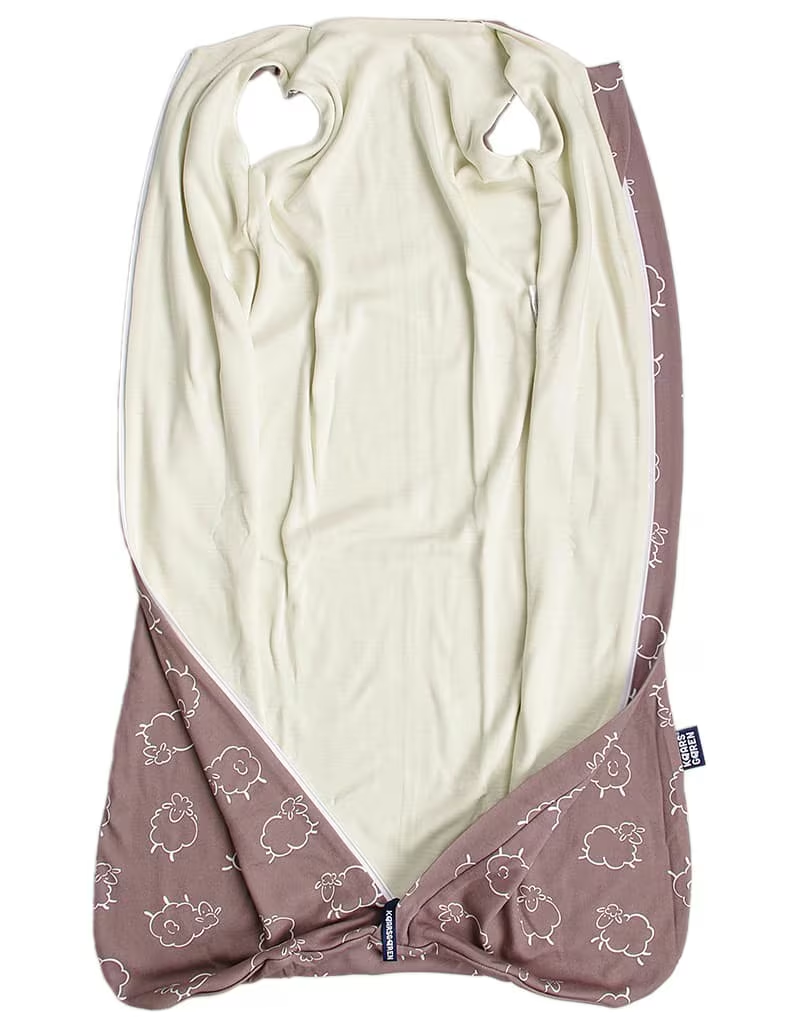
The Kaarsgaren construction pairs a merino knit lining with a 100 percent cotton outer layer. The feel against skin, seam placement and actual knit density matter as much as fibre names. Inspect the inside with a hand before first use. There should be no rough label edge, loose thread or zip component that presses against the chin.
Some children with sensitive skin tolerate fine merino well, while others find wool irritating. Try the bag for a short supervised period and check the neck, shoulders and armholes. Stop using it if a rash or persistent irritation appears, and discuss concerns with a qualified clinician.
Fit is a safety feature
A sleeping bag has to remain below the face. The neck and arm openings should prevent the baby from slipping inside while allowing comfortable movement and breathing.
The NHS safer sleep guidance says a baby sleeping bag should fit well around the shoulders so the head cannot slide down into it. Current UK product safety guidance similarly tells buyers to choose the correct size, avoid hoods and check for slipping.
Kaarsgaren recommends selecting size from the child’s shoulder to feet rather than age or total height alone. That is sensible. Babies of the same age have different proportions, and a deliberately oversized bag can create unsafe openings.
Before the first night, place the baby in the bag while awake. Fasten it completely and gently check whether the neckline can rise over the mouth or nose. The arms should not withdraw through the openings into the body of the bag. There should be room to bend and extend the legs without the lower section pulling on the shoulders.
Repeat the fit check as the child grows and after washing. Stop using the size when leg movement is restricted, the neckline becomes tight or the zip no longer lies flat. Do not fold or modify the shoulders to make an oversized bag fit.
The reviewed 70 cm product is one size, not an age guarantee. Measure the actual child and follow the label.
Room temperature should be measured where sleep happens
A thermostat in the hall does not describe the cot. Sun, heating pipes, an exterior wall and a closed door can make the bedroom different. Put a simple room thermometer near the sleep area, away from direct sun, a radiator and the child’s reach.
The NHS considers 16 to 20 C comfortable and safe for sleeping babies with appropriate light bedding or a lightweight, well fitting sleep bag. Kaarsgaren’s stated 19 to 25 C range extends into warmer rooms because the bag is relatively light.
At the lower edge, clothing underneath becomes especially important. At the upper edge, a light body layer or only what the manufacturer recommends may be appropriate. Do not add a loose blanket over a sleeping bag. Public safer sleep guidance says there should be no additional bedding with a baby sleep bag.
Temperature changes overnight. A room that is 24 C at bedtime can cool after midnight, while heating may do the reverse. Check the overnight minimum and maximum rather than one moment.
Feel the baby’s chest, tummy or the back of the neck. Hands and feet can feel cool normally. Sweating, a hot tummy or clammy skin means a layer should be removed. A fever or illness changes the situation and deserves medical guidance rather than a heavier sleep setup.
Clothing underneath completes the system
The sleeping bag and clothing form one thermal system. A TOG chart that ignores the bodysuit or sleepsuit is incomplete.
Begin with Kaarsgaren’s current instructions for the measured room temperature. Use light, breathable layers that fit. Avoid hats and hoods during sleep because the head is important for heat loss and loose material can cover the face.
Change one variable at a time. If the baby feels warm, remove an underlayer rather than opening the bag or adding a fan directly at the cot. If the baby feels cool at the chest, follow reliable guidance for an additional clothing layer or a more suitable TOG. Do not place a hot water bottle, electric blanket or heater beside the baby.
Caregivers should share the same setup. Write a short note with the room ranges, clothing and where the thermometer is read. Grandparents do not need to guess from the word merino.
No article can prescribe an exact outfit for every baby. Premature babies, low birth weight babies and children with health conditions may have different temperature needs. Follow the baby’s clinical team where relevant.
Related reading

The zip is simple but deserves inspection
A two way zipper makes night changes easier because the lower end can open while the upper body remains covered. It should not turn the bag into a loose blanket.
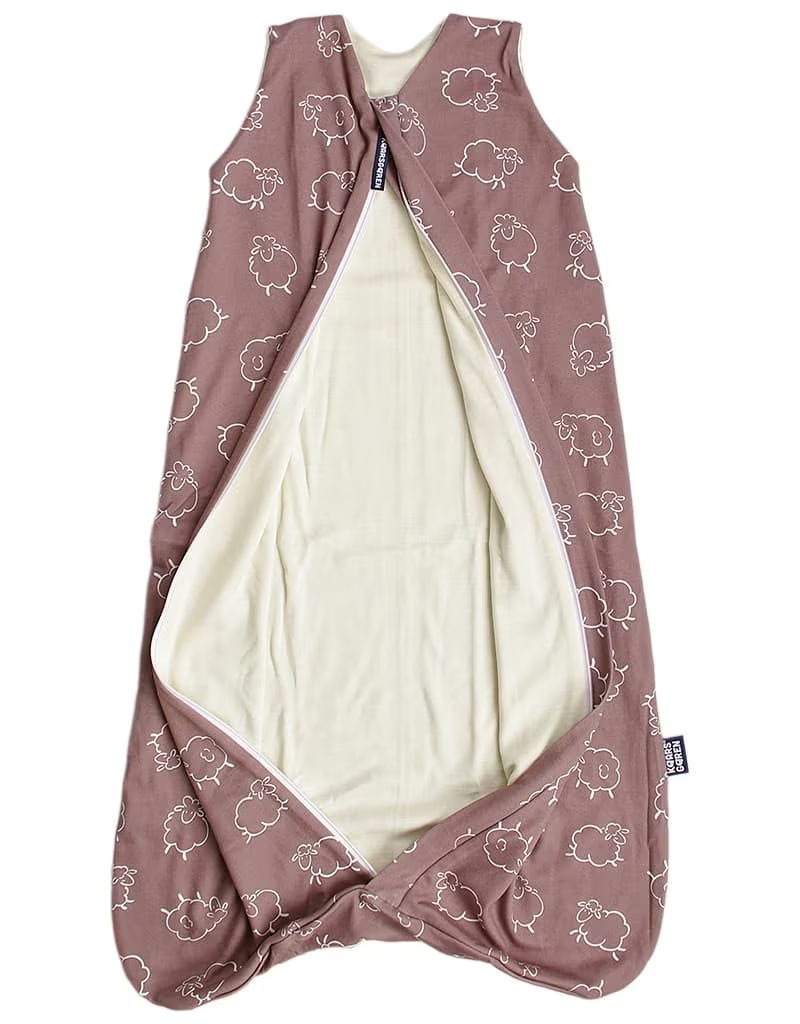
Run the zip several times before use. It should move without catching the lining, separating or leaving a hard slider under the chin. Check any protective fabric tab at the top. The lower opening should close securely after a change.
Keep the zip path clear of skin and clothing. Use one hand behind the slider when fastening near the body. If teeth are damaged or the slider no longer holds, stop using the bag until it is repaired or replaced.
The sleeveless design helps heat escape and avoids a hood. It also makes the armhole fit important. Check it whenever clothing underneath changes, since a thick layer can alter the way the opening sits.
Washing merino rewards restraint
Kaarsgaren advises airing the bag when it is not dirty and washing only when needed. For washing, the company specifies a wool programme at no more than 30 C, a detergent suitable for wool, low spin and no fabric softener.
That is more demanding than throwing a cotton sleep bag into a normal cycle. Wool can felt or shrink through heat, agitation and unsuitable chemistry. A product used around milk and nappies still needs to be clean, so care must be practical for the household.
Read the sewn label because it belongs to the exact product. Close the zipper, empty the machine of rough hook and loop items and use a mesh bag if the manufacturer permits. Reshape gently after washing and dry exactly as instructed. Do not use high heat to accelerate the process.
Keep a second suitable bag available. A merino bag drying slowly should not encourage unsafe improvisation at bedtime.
After every wash, check dimensions, neck opening, seams and zip. Measure shoulder to hem if shrinkage is suspected. A small change can affect both comfort and fit before it is visually obvious.
The advantage of airing is not merely fibre folklore. Fewer aggressive wash cycles can preserve wool and reduce wear. It does not replace washing after contamination.
Construction matters more than the sheep pattern
Turn the bag inside out under good light. Seams should be even, ends secured and the lining smooth. Pull gently near the armholes and zip because these areas see repeated load. There should be no detachable decoration or loose component within reach.
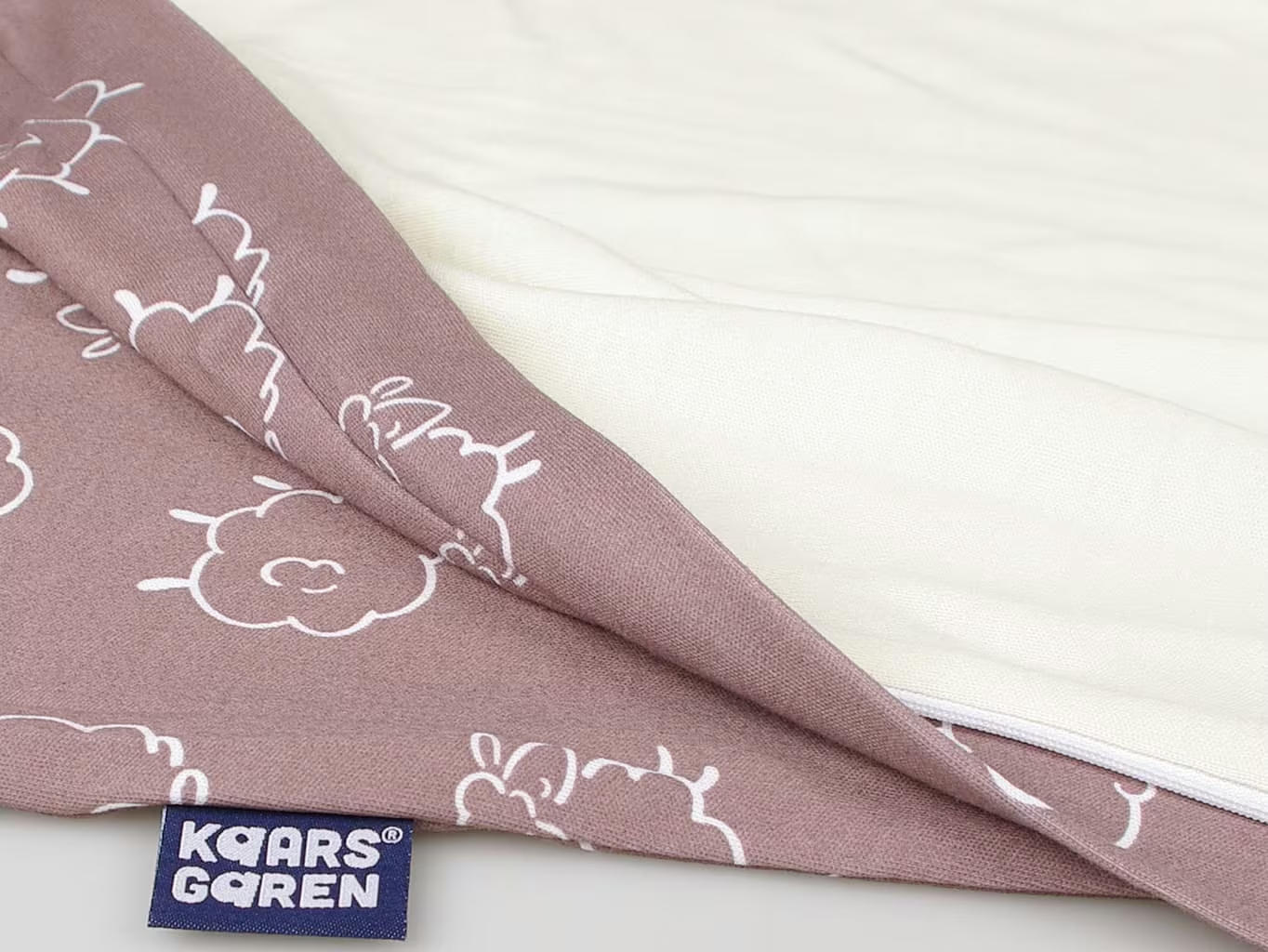
The outer cotton will take much of the abrasion, while the merino lining handles skin contact and moisture. Look for pilling and thinning over time. Small surface pills are different from a hole or loose fibre loop that can catch a finger.
Kaarsgaren says the bag is designed and made in the Czech Republic. Local manufacture can simplify questions and service, but it does not replace product inspection. Keep the order record, batch information and care label.
If buying second hand, examine shrinkage, zip function and opening size rather than judging cleanliness alone. Verify that the exact model and label are present. A sleep product with unknown alterations is not a bargain.
The price belongs beside expected use
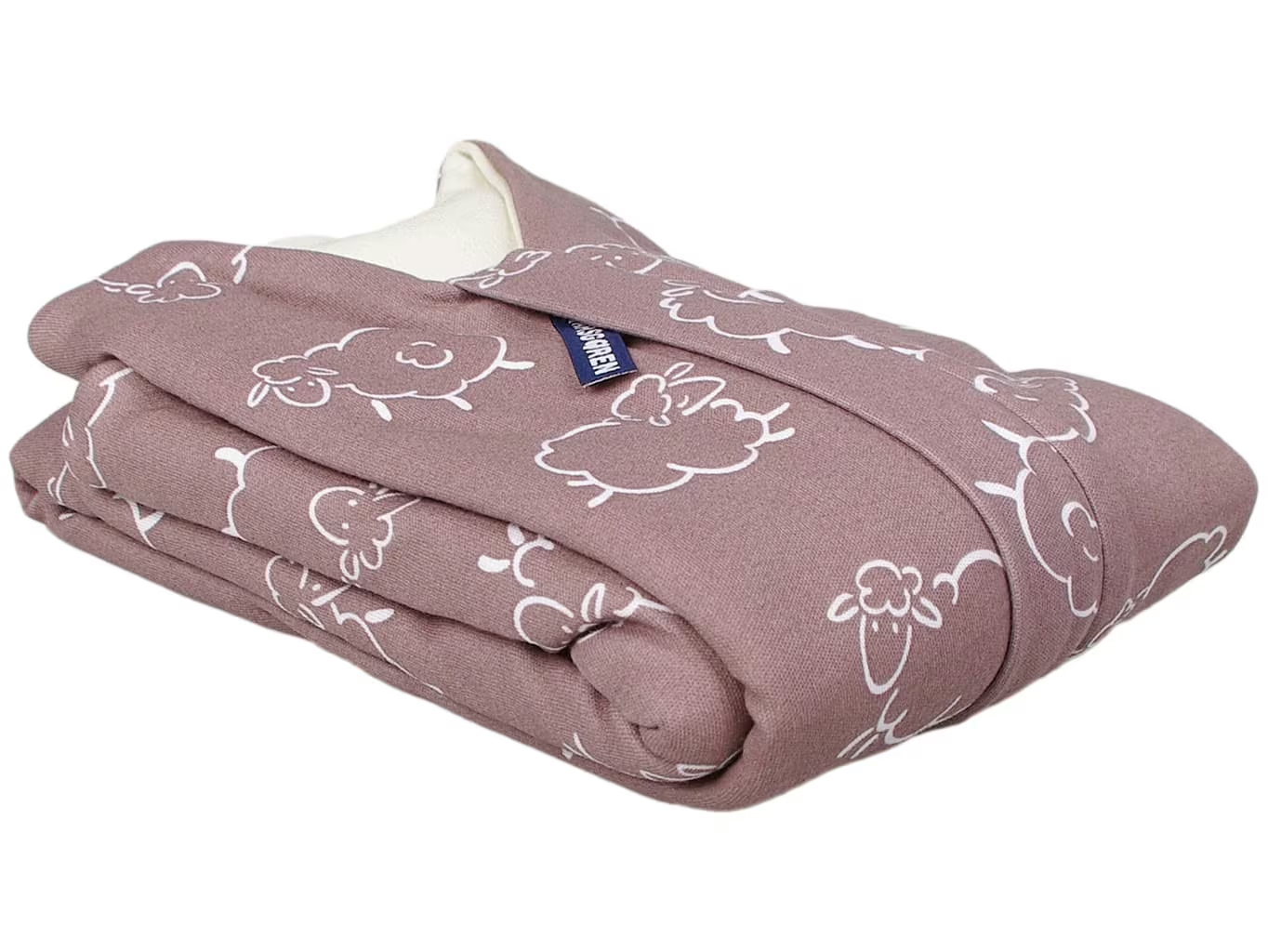
The current 70 cm Brown Sheep version was listed at 1,378 Kč when checked, with price, pattern and availability subject to change. Merino costs more than a simple cotton or synthetic bag, so its value depends on how often the intermediate TOG and moisture handling suit the home.
A basic 0.5 TOG cotton bag may be easier to wash for the hottest part of summer. A 1.0 or 2.5 TOG bag may fit a cooler bedroom better. Many households need more than one warmth level rather than one supposed all-season answer.
The Kaarsgaren is most compelling when rooms sit around its stated range and the caregivers are comfortable with wool care. It is less attractive when frequent high temperature washing is necessary or when the child’s fit falls between available sizes.
Travel changes the familiar setup
A sleep bag can make a new cot feel more familiar, but the room around it may be warmer, colder or less predictable than home. Pack the thermometer with the bag and measure the room after doors and heating have settled.
Related reading

Do not copy the home clothing choice automatically. Check the actual overnight range, use the same fit test and keep the travel cot clear. If the bag has been compressed in luggage, inspect the zip and openings before use.
Leave enough time for the merino bag to dry if it is washed during a trip. A damp textile changes comfort and should never be used merely because it is the only familiar item available. Carrying one simple backup bag in the appropriate TOG is easier than improvising with loose bedding.
What I would check on the first evening
First, confirm the shoulder to foot measurement and perform the slipping check while the baby is awake. Second, read the exact TOG and care label instead of relying on the web listing. Third, place a thermometer near the cot and plan clothing for the likely overnight range.
Inspect the neck guard, armholes, seams and zipper. Wash before first use only according to the label. After the baby has settled, check the chest or back of the neck and repeat later when the room changes.
Keep the cot clear, place the baby on the back and follow the safer sleep advice applicable to the family. A sleeping bag replaces loose bedding. It does not make an unsafe sleep surface safe.
Verdict
The Kaarsgaren all-season merino sleeping bag is a thoughtful lightweight option for rooms around 19 to 25 C. Its 0.67 TOG rating is usefully specific and the construction has a clear purpose. The number should not be given more authority than it has, though. Fit, measured room temperature, clothing and the baby’s condition decide safe use.
Why I recommend it
- A rating you can work with. 0.67 TOG with a stated range of approximately 19 to 25 C says more than a summer or all-season label, and it sits between the common 0.5 and 1.0 TOG categories.
- Merino inside, cotton outside. The merino knit lining buffers moisture and can feel less clammy than some fibres, while the 100 percent cotton outer takes much of the abrasion.
- A two way zip. The lower end opens for a night change while the upper body stays covered.
- Sizing by the body. Kaarsgaren recommends choosing from the child’s shoulder to feet measurement rather than age, since babies of the same age have different proportions.
- No hood, no sleeves. The sleeveless design lets heat escape and avoids loose material that could cover the face.
Why it may not be for you
- The decimal is not a guarantee. Without the complete test report, method and uncertainty, 0.67 is a useful rated value, not a promise that every washed bag has exactly that resistance.
- Wool care is demanding. Kaarsgaren specifies a wool programme at no more than 30 C, a wool detergent, low spin and no fabric softener, and a slowly drying bag means keeping a second one for bedtime.
- All-season is a stretch. Many households need more than one warmth level.
- Merino costs more. It is priced above a simple cotton or synthetic bag, so its value depends on how often the intermediate TOG suits the home.
- Not every child tolerates wool. Some children with sensitive skin find it irritating, so a short supervised trial comes first.
I would choose it for a correctly measured child in a home that often sits in the stated range, after checking the neckline and armholes in person. I would choose a simpler washable material for frequent contamination, a basic 0.5 TOG cotton bag for the hottest part of summer, or a 1.0 or 2.5 TOG bag for a cooler bedroom. The best feature is not that 0.67 sounds precise. It is that the bag gives caregivers a clear starting point while leaving room for observation and safer sleep guidance.
Product images: Kaarsgaren.
One email a month: new articles, reviews and the upcoming live webinar + free recording. No spam, unsubscribe anytime.