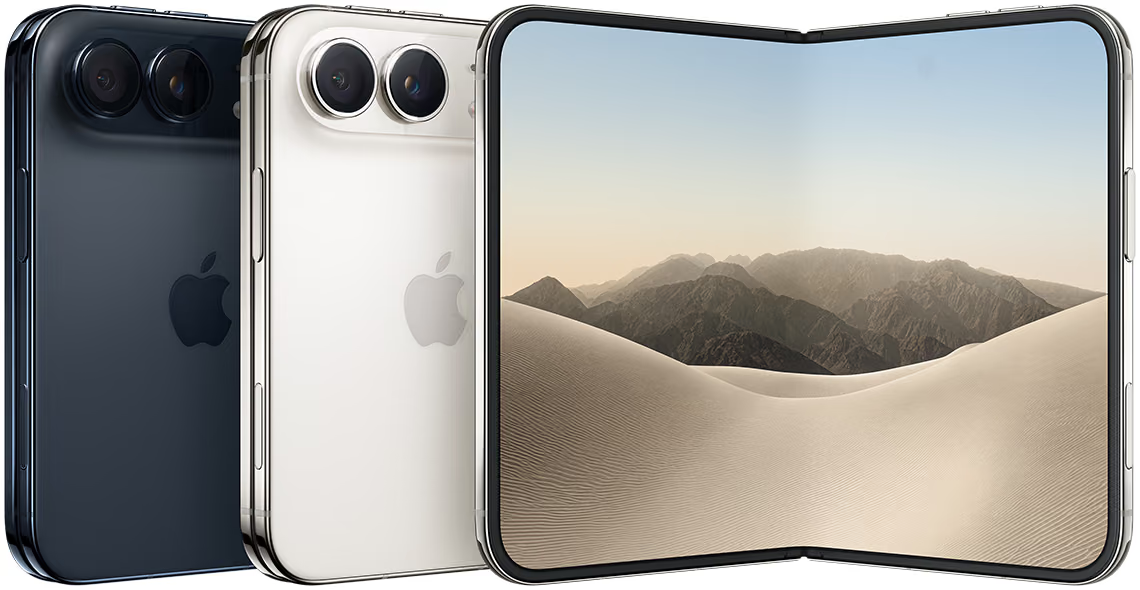
The iPhone Duo had to earn both of its screens
The iPhone Duo put a 5.4-inch cover display and a 7.6-inch inner display on its first folding iPhone. This was a way to keep a phone-sized object available for a short task and then give an open job a bigger surface. I bought it and liked the idea. Whether the actual form helped was a more serious question. I eventually passed it on, as I explained in my ownership review. This review looks at what a buyer could expect in the US release window starting October 23, 2026, with a way to compare the two screen states before treating the larger one as an advantage.
Quick verdict
Retail release in the United States · Archive date
I would have kept a conventional iPhone for ordinary daily use. Try a full useful task on each display before buying the Duo for a specific purpose.
Best for: Somebody with a clearly identified reason to open a wider working surface often enough to gain from carrying a folding screen.
Main benefit: The larger canvas and hinge-supported camera positions opened up visible uses that were unavailable in the same form on a traditional iPhone.
Biggest drawback: The folded grip and the repeated move between forms did not work well enough in my own use for me to keep the device.
Reviewed version: The US iPhone Duo at retail from October 23, 2026, with a 5.4-inch outside screen and a 7.6-inch inside display.
Compatibility: The A20 Pro runs iOS 27 with the foldable layout. The benefit of expanded app layouts depends on the app and the task.
Review context: I evaluate the documented retail hardware and the software available in its release window. Regional variants and software changes are identified where they affect the verdict.
Apple documented the A20 Pro, the dual-battery layout and a reworked presentation of iOS for the different display sizes. The screens shared the same basic aspect ratio. That helps a view stay familiar in format while the physical controls and information change size. A particular task still has to make good use of the new width. Apple’s iPhone Duo launch announcement and retail date
The quickest task should stay quick while closed
An incoming message or one turn of a route may only need a short check. Start with the Duo folded and look for the required detail in a familiar app. Check what kind of reply or action you can complete from there. If a useful piece of information is easy to read and act on, the device has done ordinary phone work without any ceremony. If you want to unfold it frequently, the reason can be helpful. It can also show that the task expected a different amount of screen than the cover can comfortably provide.
Related reading

The outside format can be more comfortable to carry than a continuously larger display. It still makes a thicker package than a conventional phone of similar screen size. I would have tried placing it in the spot where I kept the previous phone, with any case I intended to use. Then I would have taken it out to do the same short task several times. Where you grip it, how long it takes to see the result and which two hands are free can have more bearing on the decision than a simple comparison of the display diagonals.
The bigger screen has to improve how you finish something
An example is reading a message and consulting another document, or checking the next few instructions in a plan. Open the phone in the middle of the task, with the text at the size you normally need. See which parts of the layout either usefully expand or remain as before. People buy a bigger working surface partly to see more, rather than for the same information at any possible size. Both are legitimate advantages. The choice is stronger when you can say which is useful and see it happen in an app that matters.
I would also have tried coming back to the closed view without losing the key part of the work. The inside may help at the exact moment you need more context. It is less persuasive if you have to change the same posture and layout several times during the things you normally do. Finishing a task on the combined device had a clear appeal if the alternative was regularly getting a tablet out. Having a better separate place to do the job can still be a sensible response if you spend only a little time doing it on the phone.
The crease and surface deserve attention wherever you expect to do that work. Some users would notice them more from one viewing angle or in particular lighting. Try selecting or reading something that crosses the centre of the screen, then look where the hinge sits when the phone is resting on a table. A useful form continues working even after you have stopped thinking about its presentation. The exact fit of a case tells you a different thing about the way you might protect and carry it.
A bigger camera viewfinder and a convenient rest were real features
The hinge offers useful camera positions. Being able to see what the camera is doing without holding it in the same hand changes a few pictures. I would have tried it where I normally placed a small camera or needed a low position. A stable surface, a visible screen and the ability to reach the control can make this easier. The more useful position will still depend on where the subject is and which of its cameras you intend to use.
Related reading

Those opportunities could be worth using even if I preferred a conventional phone for most short captures. A person working alone might find a way to rest the already attached screen that would otherwise require a separate mount. That is an identifiable advantage. It leaves a separate decision about whether the total price, protection and carry size work during all of the other times you reach for the phone.
Check both postures with the case you intend to use
Start by planning where the device can sit while you are trying the apps or record a short clip. Look for whether a case makes the inside screen easier to hold, harder to open or less stable when the phone needs to rest somewhere. A case can also affect access to buttons while the phone is open at one angle and closed at another. I would have checked this before assuming that the easier part of a showroom demonstration would be repeated every time. Try returning to the same call, instruction or reply after changing the posture. It is worth seeing how few extra decisions the whole process can require.
Then consider where the phone goes after closing it. People who carry it long enough to notice the folded body often need to decide between a thin case and more coverage. A conventional device avoids the movement around this seam. I could appreciate a way of opening the screen to make a small task more legible. At this price I still had to get a consistent benefit from both ends of that cycle. Several occasional strong features were less important to me than the way the phone worked on an ordinary day.
My verdict on the Duo’s first release
I would have asked any launch buyer to complete one short task on the outside and a longer job on the inside before paying. The large display and folding camera positions are genuinely different. In my own case the experience of carrying and using it eventually sent me back to a conventional phone. I would have chosen the 18 Pro Max for a large view with fewer changes to my everyday work. The iPhone model timeline records why the Duo’s October retail date belongs separately from the earlier September Pros.
What worked
The larger canvas and hinge-supported camera positions opened up visible uses that were unavailable in the same form on a traditional iPhone.
The design gave the outer display a useful way to show short tasks and the open display space to continue more involved work.
What bothered me
The folded grip and the repeated move between forms did not work well enough in my own use for me to keep the device.
The hinge and inside screen require separate handling decisions, and the case may change what you can comfortably carry.
Who should not buy it
Somebody who wants a predictable conventional phone for quick daily tasks and only occasionally needs a bigger screen.
Alternatives I would consider
iPhone 18 Pro Max. It supplies a large, single working display and a conventional body for a buyer who does not need to switch between folded and open states. Read my iPhone 18 Pro Max review.
Evidence and sources
The release date refers to general availability in the named market. The archive filing is ten days later. Feature assessments are editorial judgments based on the documented retail model.
Features, compatibility and rated figures from the maker are manufacturer information. My opinions are identified in the review.
Conclusion
The purchase works if the form helps in your actual apps, case and carry setup. I bought the Duo and later passed it on.
One email a week with practical Mac workflows, useful comparisons and honest tech recommendations.