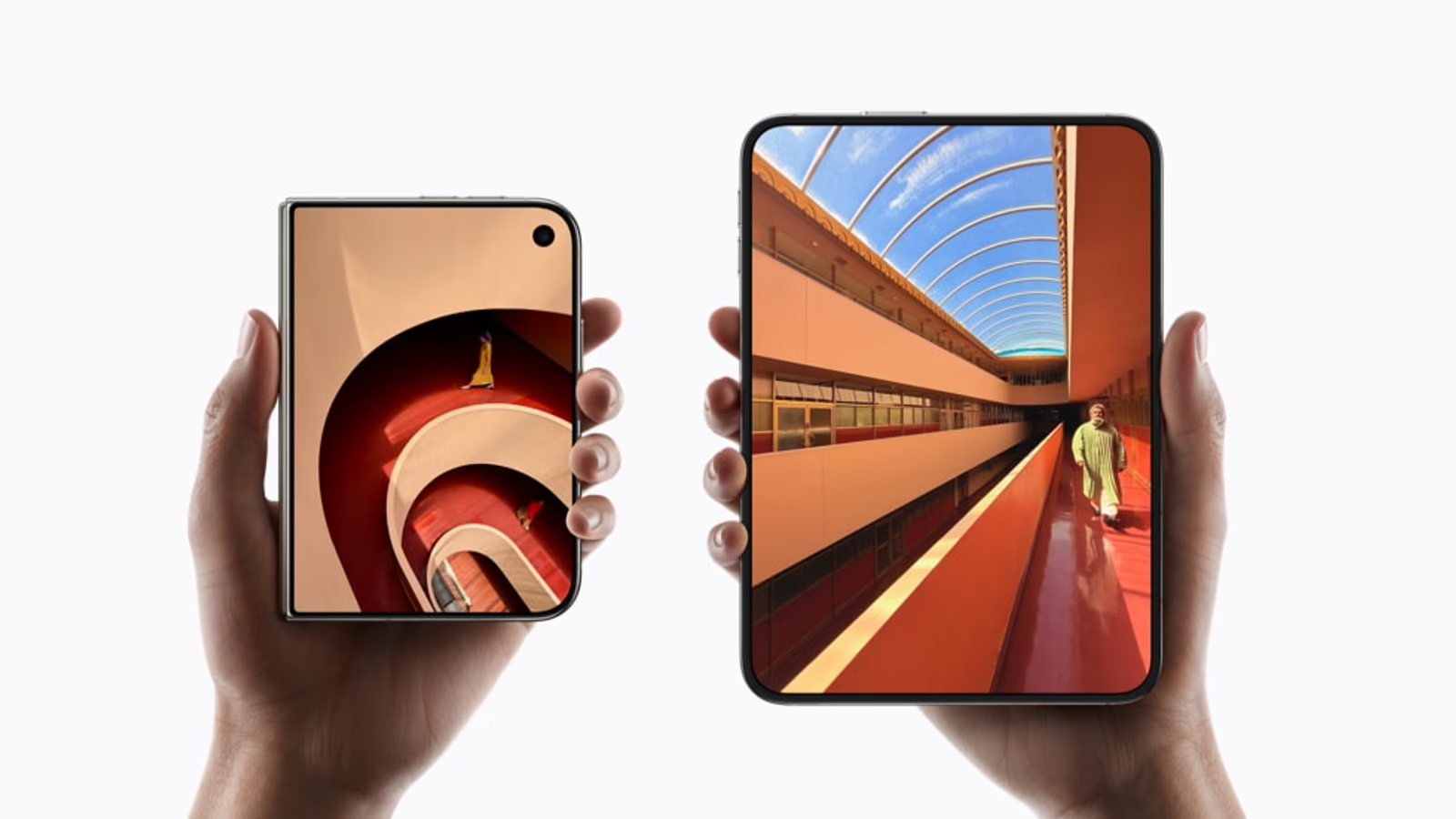
Hero and product images: Apple Newsroom.
Let me start with the money, because it is the most honest part of this review.
Nobody sent me this phone. I bought the iPhone Duo with 512 GB of storage with my own money. In Germany that model costs €2,549. The base 256 GB model is €2,299, the 1 TB model is €3,049 and the 2 TB model is €3,799. So I am €2,549 lighter. I hope this review saves you that money, or at least helps you spend it with your eyes open.
Here is my conclusion before the details. The iPhone Duo is a very impressive first try. It is also a phone I cannot recommend to anyone right now. Not to my friends, not to my family, not to readers of this blog. The reason is simple: normal life can break it too easily. A bit of dust in the wrong place, and the most expensive part of the phone is at risk.
Apple still has a lot to learn about folding phones. That is not a crime. Samsung, Google and others also needed several generations. But Apple charges like a company that has already learned it.
What the iPhone Duo is
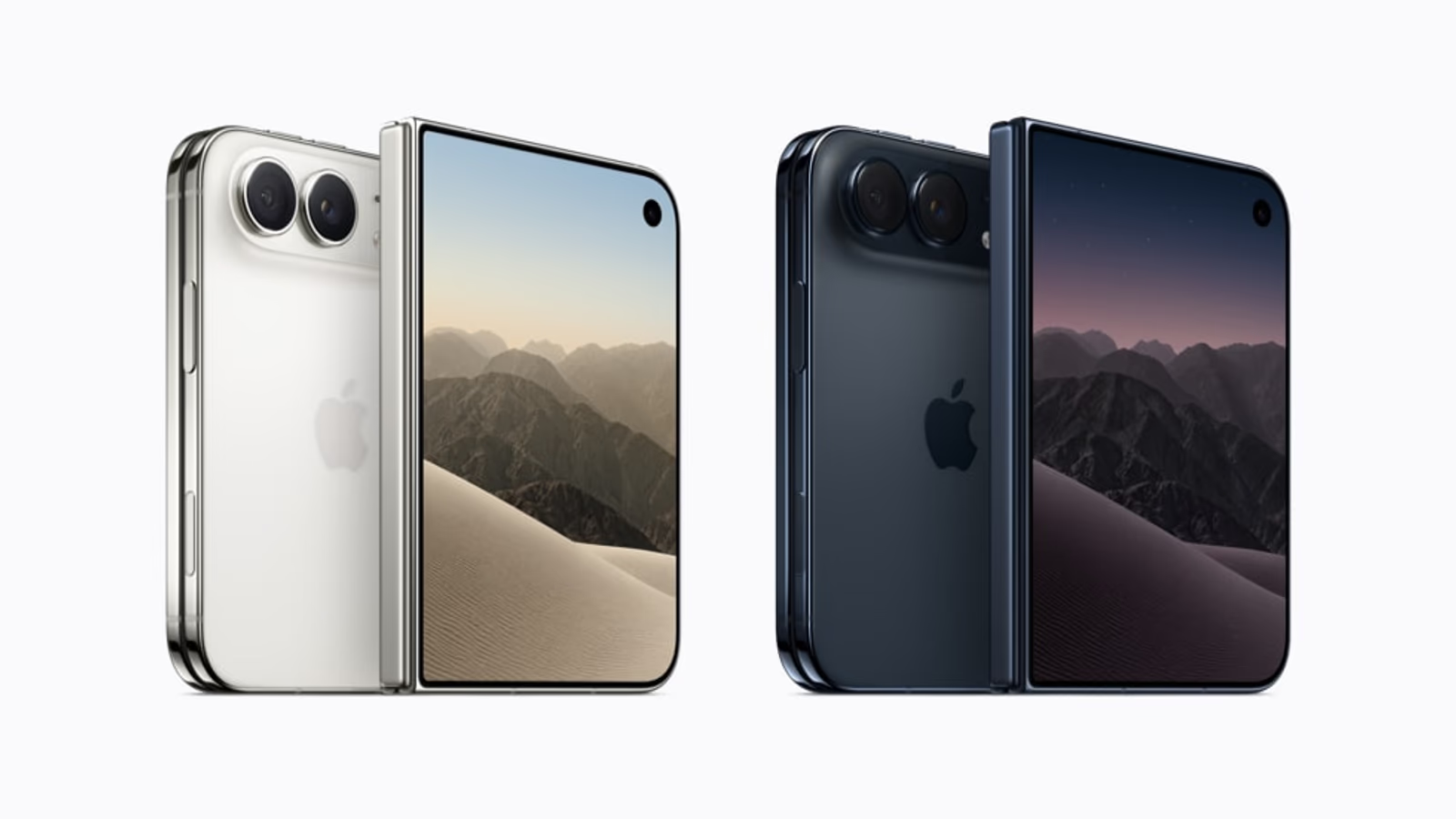
The iPhone Duo is Apple’s first folding iPhone. Closed, it is a phone with a smaller outer screen that you can use with one hand. Open, it becomes a small tablet with a large inner folding screen.
Apple’s own launch material talks a lot about the hinge. It has more than 100 parts. It keeps the inner screen flat when the phone is open. Magnets hold the phone shut when it is closed. The outer screen uses Ceramic Shield 2. The inner screen has a scratch-resistant coating with a matte nano-texture top layer. Under it there are glass layers that slide over each other to reduce stress, and a titanium plate for strength. The phone is rated IP68 for water and dust.
Related reading
On paper, Apple did a lot of things right. In the hand, much of that work shows.
What Apple got right
I want to be fair, because there is real good work in this phone.
It feels like an Apple product. The finish, the materials and the way the hinge moves all feel careful and precise. Opening it feels smooth and controlled. It does not feel cheap or wobbly.
The software makes sense. iOS on the big inner screen does not feel like a phone app stretched to a bigger size. Apps that support it use the space well. Reading, browsing, maps, email and photos are simply nicer on the big screen.
The outer screen is useful. You do not have to open the phone for every small task. Messages, music, timers and quick replies work fine closed.
The inner screen resists daily scratches better than I feared. The matte top layer hides light marks while the screen is on. That is a smart choice for a soft folding display.
The hinge mechanism itself is strong. A robot test reported by iPhone in Canada found that the hinge survived more than 32,000 folds. So simple opening and closing is not the main problem.
If the story ended here, this would be a positive review with a high price warning. It does not end here.
The real problem: dust, the hinge and the inner screen
A folding phone has a weak point that a normal phone does not have: the fold. Everything important meets there. The hinge, the folding screen, the glass layers and the seal that should keep dirt out.
Shortly after launch, Zack Nelson of JerryRigEverything tested the iPhone Duo. You can watch the full video here. It is worth ten minutes of your time before you spend €2,549.
Here is what happened in that test, as reported by MacRumors and iPhone in Canada:
- The outer screen did well. It only showed faint marks at level 7 on the Mohs hardness scale. That is a normal good result for a modern iPhone.
- The inner screen scratched easily. Marks started at level 2. Keys and coins also left marks. The matte layer hid them while the screen was on, but they came back when it was off. Alcohol did not remove them.
- Dirt got into the hinge. Despite the IP68 rating, dirt entered the titanium hinge through several openings. After that, the magnets could not close the phone anymore. It stayed partly open. As iPhone in Canada put it, “A handful of dirt was enough to jam the hinge.”
- The inner screen failed in the bend test. A green line appeared on the first bend. Two more appeared after the second. Then the inner screen stopped responding to touch. Nelson could not say if the trapped dirt or the hinge structure was the cause.
Read that list again and think about your own pockets.
Why this matters in normal use
You might say: “I don’t throw dirt on my phone.” Neither do I. But that is not how dust works.
Related reading
Dust and sand get everywhere. They are in your jeans pocket, in the bottom of your bag, in your car, on the café table, in your child’s jacket, on the beach and in the park. On a normal phone, a grain of sand on the edge does nothing. You wipe it off.
On a folding phone, a grain of sand can get into the hinge or sit on the inner screen when you close it. Then you press the two halves together. On a soft folding screen, that small, hard grain is now pressed into the most expensive part of the phone.
That is what I mean when I say one grain of dust can be the end of the phone. I am not saying it will happen to every iPhone Duo. I am saying the risk comes from completely ordinary life, not from abuse. You can be careful and still be unlucky. And when you are unlucky, it is very expensive.
IP68 does not save you here. Apple’s own launch text says the protection is not permanent and can get weaker with normal wear. IP ratings are lab tests in controlled conditions. Your pocket is not a lab.
What a repair costs
According to iPhone in Canada, Apple charges CA$1,499 in Canada to replace the inner display outside of warranty. Prices in euros are different, but the size of the number is the point. One bad day can cost you more than many people pay for a whole new phone.
AppleCare+ helps, and if you still buy this phone, I would treat it as required, not optional. But AppleCare+ adds more cost to a phone that is already over €2,500 in my configuration. And it limits the damage to your wallet. It does not stop the damage to your phone, your data or your time without it.
Cases do not solve it yet
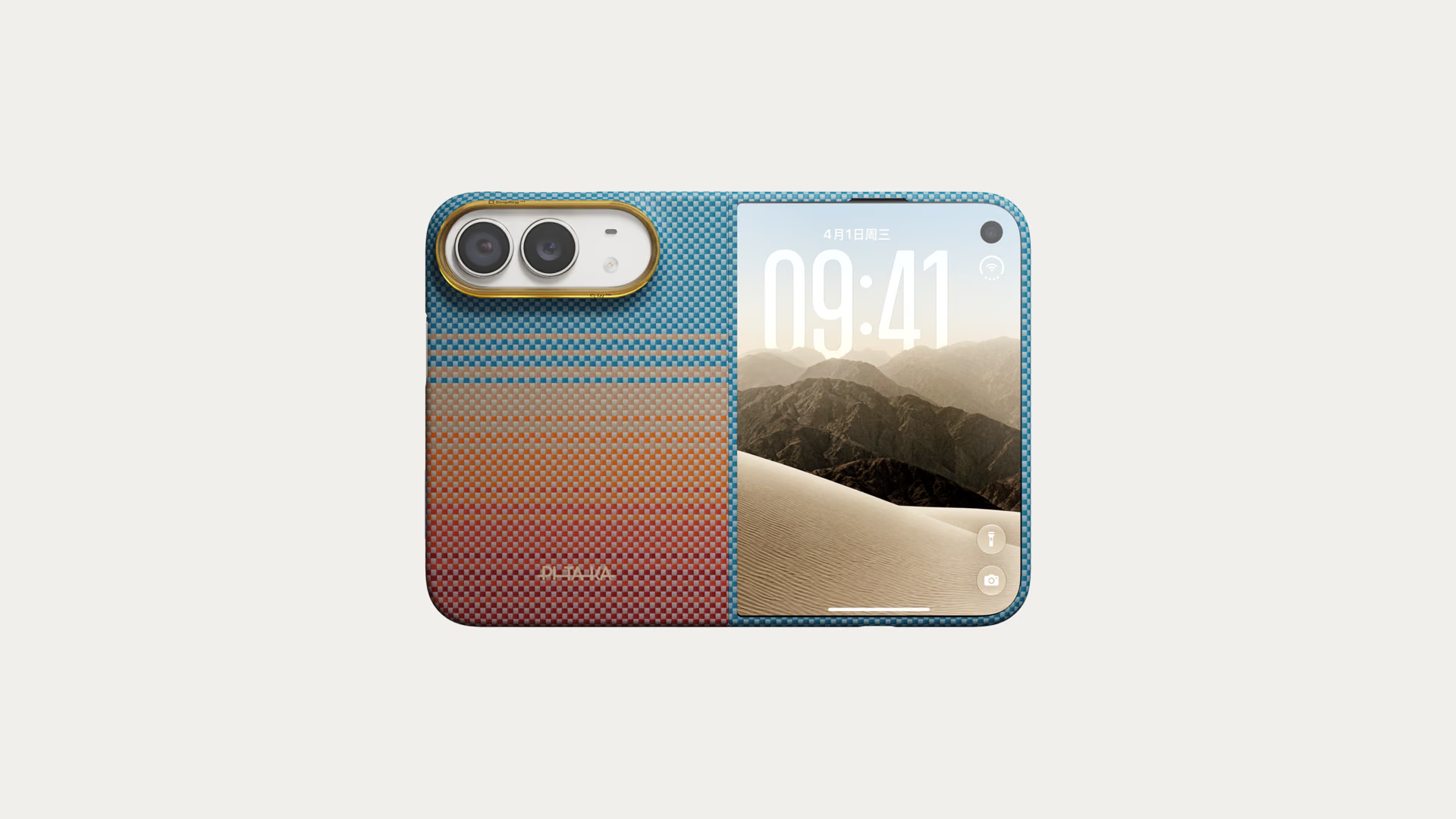
My first idea was simple: put a good case on it. I tested the PITAKA California Dream case, which PITAKA sent me as a review unit. It is beautifully made, thin and light. But it does not cover the hinge. The weakest part of the phone stays open.
According to coverage of the JerryRigEverything test, the case options so far cover either the hinge or the sides, not both. That is the state of the market today. A case that fully protects a folding phone while staying thin is hard to make. Until someone does it well, a case reduces some risks but not the biggest one.
Is the price fair?
€2,549 for the 512 GB model is a lot of money for any phone. For a first-generation product with a known weak spot, it is too much.
When you pay that much, you expect two things. You expect the product to be the best of its kind, and you expect it to last. The iPhone Duo delivers the first. It does not yet show that it can deliver the second.
Think about what else €2,549 buys in the Apple world. A top normal iPhone plus an iPad mini. Or a top iPhone plus a MacBook Air. Two devices, each very strong, without a fragile fold in the middle. If you want a big screen in your bag, that pair is a safer use of the money. My earlier iPhone Duo research preview asked one question: does the fold make a real task easier? For most people, a normal iPhone plus a tablet answers that question better today.
What Apple still has to learn
This is not an attack on Apple. Making a folding phone is very hard. But a few lessons are clear:
- Durability has to be designed for real life, not only for the lab. IP68 on the box is not enough if a little dirt can jam the hinge.
- The inner screen needs a harder top layer. Scratches at level 2 are too easy on a device at this price.
- The hinge needs better sealing against dust. This is the main thing. It is also the hardest.
- Repair costs need to come down. If the inner screen can break in normal use, replacing it cannot cost almost as much as a new phone.
- Accessories need to protect the fold. Apple should work with case makers so that real hinge protection exists on day one.
Apple usually gets much better in the second and third generation. The Apple Watch and the first iPad both improved a lot after their first versions. I expect the same here. I just do not want you to pay to be the test group.
Who should buy it, and who should wait
You could consider it if:
Related reading
- you understand the risk and you are fine with it,
- you buy AppleCare+ on the same day,
- you use the phone mostly at a desk, at home or in the office,
- you need the big folding screen for your work and a separate tablet does not work for you.
Wait if:
- you keep your phone in pockets and bags with other things,
- you spend time outdoors, at the beach, in the car, on building sites or with children,
- you plan to keep your phone for three or four years,
- €2,549, or even €2,299 for the base model, is a lot of money for you.
To be honest, that second list describes most people. It describes me, too.
Our take
The iPhone Duo shows what Apple can do. It is beautiful, the hinge feels precise, the software uses the big screen well, and the outer screen is tough. As a first version, it is impressive.
But the most important test for a phone is whether it survives normal life. The first independent durability tests show that dirt can get into the hinge despite the IP68 rating, that the inner screen scratches easily, and that the inner screen can fail. A repair can cost almost as much as a new phone. A case does not fix it yet.
My verdict: I cannot recommend the iPhone Duo to anyone at this point. The risk of destroying it in normal use is too high for a phone that costs €2,299 to €3,799. Apple still has a lot to learn about folding phones. I am €2,549 lighter after buying the 512 GB model. I hope this review saves you that money.
If something changes, if Apple improves the hinge sealing, lowers repair prices, or a case appears that truly protects the fold, I will update this review.
One email a month: new articles, reviews and the upcoming live webinar + free recording. No spam, unsubscribe anytime.