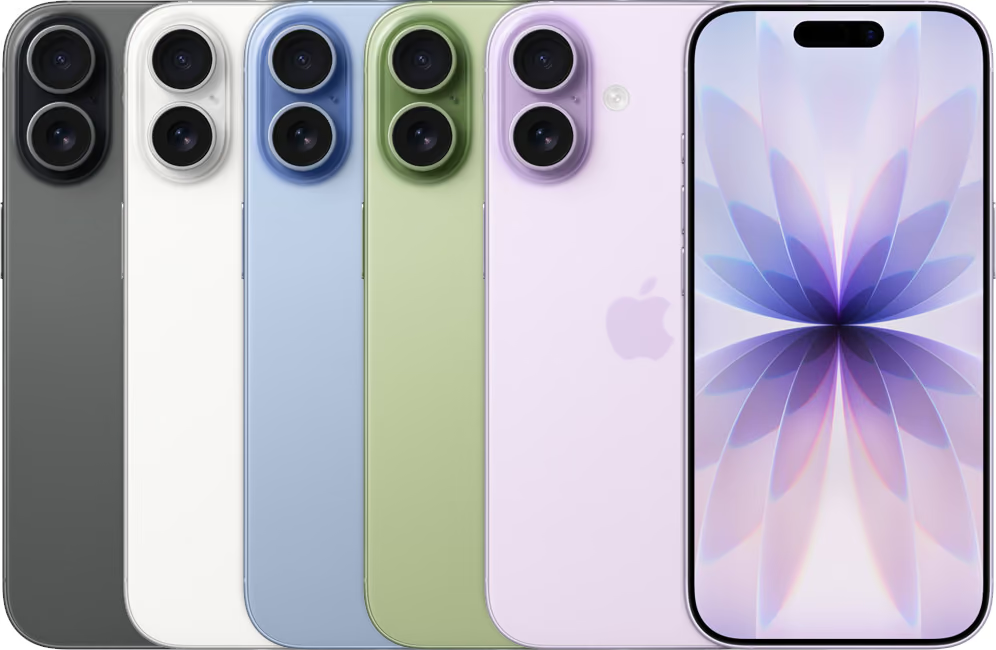
The regular iPhone 17 gave fewer reasons to pay for a Pro screen
The regular iPhone 17 reached 120 Hz with ProMotion, increased its entry storage to 256 GB and made the standard front camera easier to use for a group. That combination answered several fairly ordinary reasons for considering a Pro. The display changed what you see when you move through text and the storage gave more room to keep the things you already wanted. I liked this kind of change because it affects a phone I’m happy to choose at its standard size. The Pro still had a place if I specifically needed additional capture options or sustained performance.
Quick verdict
Retail release in the United States · Archive date
I would have chosen the regular 17 when the smoother screen and increased storage mattered more to me than specialist capture or sustained computing tasks.
Best for: A buyer who scrolled and read on the phone most days, took varied everyday photographs and did not need a distant rear field often.
Main benefit: ProMotion and double the previous ordinary entry storage improved things that a buyer could use immediately without considering a Pro.
Biggest drawback: Wired data was slower than on the Pro and there was no dedicated long camera for photography at a distance.
Reviewed version: The 6.3-inch US iPhone 17 at launch on September 19, 2025, with A19, two rear cameras and 256 GB as the first capacity.
Compatibility: It shipped with iOS 26, MagSafe, USB-C and ProMotion up to 120 Hz. USB 2 still applied to the wired data connection.
Review context: I evaluate the documented retail hardware and the software available in its release window. Regional variants and software changes are identified where they affect the verdict.
I owned this iPhone as part of having every model. The iPhone 17 reached US stores on September 19, 2025 together with the Air and the two Pros. Apple started it at $799 for 256 GB under the stated terms. This is a review of what a buyer had access to at the September release. Apple’s September iPhone 17 retail availability Apple’s iPhone 17 technical specifications
The smoother display mattered when I moved through anything useful
The 6.3-inch OLED got an adaptive refresh rate to 120 Hz. Try using the same reading and navigation pattern as on a regular 16. Moving through a long list can make the faster visible update apparent. When the page stops moving, look at whether the text and visibility are still comfortable and whether the controls that matter are in reach. Those things can all matter more or less than scrolling for each person. The combination was more valuable when you used it frequently. An always-on view also gave room to see a little useful information when you had set the phone down.
Related reading

The screen grew from 6.1 inches, so I would have checked how a slightly taller device felt while picking it up with another thing in my hand. The regular 17 remained a different form to carry from the Air and the Pro Max. The bigger visibility over earlier standard phones was useful. I would have listened to my own response to the physical difference rather than always expecting the largest available display or the lightest phone to suit the way I used it.
The front camera solved a real problem when other people joined the frame
The 18MP Center Stage front camera offered more options to fit people into the shot. A practical test is asking one other person to step in while holding the phone comfortably in its usual orientation. It was possible to see how the camera could reframe for different aspect ratios without making your wrist do all of the adjustment. I would have checked the output afterward, including how the people near the edge looked and whether enough of the surroundings remained useful. The feature is more valuable if someone is frequently sharing a room, putting a phone on a surface or trying to hold it between several people.
The 48MP Main and 48MP Ultra Wide remained distinct choices. The former had a 2x option from the main sensor. The latter worked when the thing worth capturing was a broader room, or smaller details from much closer. I would have taken a wide shot of a place and used the main camera to show one important part. Someone regularly viewing a detail across a long space still had more reason to look for separate telephoto hardware in the Pro. For most everyday photographs the two real rear views on the 17 made an easier choice than a single rear camera.
Compare how much storage you personally use
Starting at 256 GB made comparisons more valuable at the same capacity. I would have checked which portion of my existing phone had become local photos, useful downloaded documents and apps I actually wanted to take forward. Someone who travelled with many videos could keep more of that material on the phone. A person already comfortable using less might see the change as room to keep the phone for longer without having to move data. It did not answer needs about pro formats, faster transfers or footage that needed to move immediately.
The 17 preserved MagSafe and USB-C. A person who primarily charged with a compatible stand could keep the arrangements already in use. The wired USB data connection remained USB 2 class. If a large amount of local material regularly left the phone through a cable, I would have compared that path against the 17 Pro before settling on storage alone. One difference helps you carry the files. The other helps you move them.
The revised standard storage is worth checking against the old upgrade price
A person who would already have paid for a 256 GB iPhone 16 has a different starting point for the 17 comparison from someone who usually bought 128 GB. I would have checked the overall price of the phone I could actually fill and my plan for keeping it. If less of the files I regularly used had to be moved off the phone, the storage step could keep saving time even in ordinary use. Somebody chiefly storing photos remotely could instead place more of the value on the display and cameras. The right choice is easier to make when you’re able to name what you regularly keep available offline.
Related reading

The 17’s new screen was another change worth trying at a remembered size. A useful view might be a long list where I want to stop scrolling on a line or keep something visible during a conversation. The 120 Hz capability can make motion easier to follow and the slightly larger panel can let me see a little more once I stop. These are related benefits with different causes. If the slower device already feels comfortable for the shape of work you do, the newer model should also earn its place through a camera requirement, storage or the state of the old phone.
My verdict on the iPhone 17
I liked that the improved display and the extra entry storage were available with the ordinary controls and useful cameras. I would have chosen it for someone who spends enough time on a phone to see those changes and rarely needs a distant optical view. The iPhone 17 Pro gained a stronger case if you could identify what you needed from the separate telephoto or from the camera formats. The iPhone model timeline shows how those two addressed different parts of the September launch.
What worked
ProMotion and double the previous ordinary entry storage improved things that a buyer could use immediately without considering a Pro.
The new Center Stage front camera and distinct Wide and Ultra Wide options gave people several ways to fit more of what they wanted in an ordinary image.
What bothered me
Wired data was slower than on the Pro and there was no dedicated long camera for photography at a distance.
The screen grew to 6.3 inches. Check that the useful controls are still in reach and that there is somewhere comfortable to carry it.
Who should not buy it
Someone shopping chiefly for the separate telephoto, specialist recording modes or prolonged Pro-level processing.
Alternatives I would consider
iPhone 17 Pro. Adds the updated telephoto and sustained-performance hardware in a similar screen size, with other recording and transfer capabilities. Read my iPhone 17 Pro review.
Evidence and sources
The release date refers to general availability in the named market. The archive filing is ten days later. Feature assessments are editorial judgments based on the documented retail model.
Features, compatibility and rated figures from the maker are manufacturer information. My opinions are identified in the review.
Conclusion
Compare equal storage with the 16 and 17 Pro. This was enough camera and screen for many people already choosing the regular size.
One email a week with practical Mac workflows, useful comparisons and honest tech recommendations.