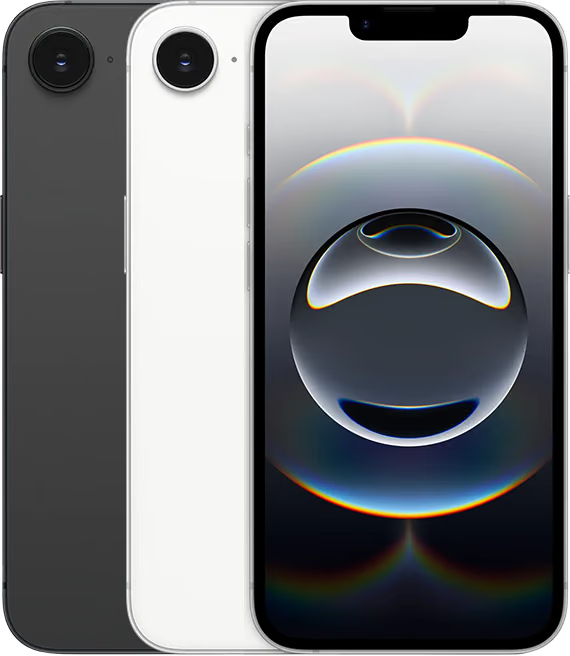
The iPhone 16e put the battery and the main camera first
The iPhone 16e offered a 6.1-inch OLED, the A18 and the first cellular modem designed by Apple. It gave the 16 family a less expensive modern entry point at its February 2025 release. The single rear camera could make an ordinary view and a tighter frame based on the same sensor. I liked it as a simple iPhone for someone who mostly needed that camera and preferred longer rated battery life. You could tell where the compromises were by opening the camera app or trying to put it on an accessory made for the regular 16.
Quick verdict
Retail release in the United States · Archive date
I would have chosen the 16e at launch if I primarily charged with a wire and could use the main camera for most of my normal photography.
Best for: People moving to a modern iPhone from a smaller screen and happy to keep a simpler camera and set of accessories.
Main benefit: The 6.1-inch OLED and 48MP main camera gave a less expensive phone useful modern controls and imaging at ordinary distances.
Biggest drawback: There was no Ultra Wide, macro capability or built-in MagSafe. Moving from a mounted setup could have a cost even at the lower price.
Reviewed version: The February 28, 2025 US iPhone 16e, beginning at 128 GB with one rear lens and a USB-C connector.
Compatibility: It used iOS 18, Face ID, Qi wireless charging and C1 sub-6 GHz 5G. There was no built-in MagSafe or dedicated Camera Control.
Review context: I evaluate the documented retail hardware and the software available in its release window. Regional variants and software changes are identified where they affect the verdict.
I owned the 16e as part of having every iPhone. It went on sale in the United States on February 28, 2025, starting at $599 with 128 GB. With the 16 and 16 Plus already available, I could compare them for a real difference in price and daily use. This review refers to the launch, including which Apple Intelligence features and accessory options a buyer could actually use then. Apple’s iPhone 16e retail date and feature overview
The 16e had a familiar-sized screen with a simpler front interface
Buying a lower-priced iPhone no longer meant buying a small LCD and a Home button when this model arrived. The 6.1-inch OLED and Face ID gave buyers room to read and the full-screen controls of the other modern phones. This was useful for somebody coming from an SE who needed more room for actual work. The display still had the notch instead of Dynamic Island. It was a good idea to try getting from a lock screen notification to its app and back to see which of the interface changes made sense for what you actually do.
Related reading

Someone whose main reason to keep an older SE was Touch ID would encounter a different choice. I would have tried using the unlocked phone at the places it normally sits, including a desk and a holder. Holding it so that Face ID can see you, choosing a passcode when needed and reaching the lower gestures become part of the purchase. For someone who needed larger text with a keyboard open, the newer display could easily make up for those changes. A person with no major display problem would have more to consider.
The one rear camera can do quite a lot at a reasonable distance
The 48MP Fusion camera offered its normal view and a decently useful 2x framing based on the central part of the sensor. Try making a photo of a person from a short distance, then a frame where more of the room matters. The 2x mode can help with the first picture. It can’t widen the second one. The standard 16’s separate Ultra Wide can capture more of a group or room and also make close focus useful. That was one of the main distinctions when comparing the two phones by camera tasks.
I would have identified one ordinary place where I usually had to step back and one where I needed to get closer. The regular iPhone has wider and macro options for the former situations, and either main camera’s tighter option can help isolate some details at a normal distance. Somebody who uses the camera mainly for receipts, everyday pictures and occasional portraits can get a lot out of a familiar single lens. Paying more for another camera is most worthwhile when your regular pictures already show you what you were missing.
The 16e also skipped Camera Control. Assigning the Action button to the camera still gave a route into it from the side. I would have tried using this alone for a day if getting the camera open quickly was the main benefit I wanted. Anybody who used the new dedicated control might value having both. The choice affects plenty of regular uses, so it is easier to make by doing them than by grading the number of controls.
The battery, modem and accessories belong to the same daily routine
The C1 modem was Apple’s first. The 16e supported 5G below 6 GHz, with compatibility depending on the network and region. Somebody evaluating it in a weak signal area should check the important activity with their own service. Apple rated it for up to 26 hours of video playback. Finding out how that compares with an old phone away from useful power matters more than treating a playback number as a promise across calls, directions and an active camera. Apple’s 16e technical specifications
Related reading

Charging was where a straightforward 16 buyer could immediately feel one shortcut that the e model did not have. It used USB-C and supported ordinary Qi charging. It did not have built-in MagSafe. A magnetic charger or stand could already be part of what somebody liked about their last device. I would have compared the real effect of changing that one habit before deciding that the price difference was entirely available to save. A buyer who only used a cable probably had little reason to mind.
It matters how many cameras you use in the places where you buy a phone
Look through a few photographs from the month before switching. Some might be of text and people at an ordinary distance. Others could be particular pictures where there was no space to step back. If you often reached for a wider view on the previous device, that is a concrete reason to spend for the regular 16. The 16e’s longer framing from the main sensor can help with a detail already inside the ordinary field. It gives no way to record things that fall outside it. A smaller number of consistent choices can still be welcome when most of the pictures happen in the middle of that range.
A newer person coming from an SE might already have a charger and a simple habit worth keeping. I would have checked the cable as well as whether I could use the space to see more while typing. The 16e’s move to a USB-C phone with a larger panel offered two concrete things to assess, and neither needed a particular workload for the A18. A good early purchase could be the lowest tier if it solved those problems with enough storage for you.
My verdict on the iPhone 16e
I liked having a less expensive iPhone with a modern display and a capable main camera. I would have chosen it if my charging was mostly through a cable and I could do my ordinary photo work with one rear field plus the optional closer frame. The iPhone 16 provided the clearer choice for someone using MagSafe, a wider camera and macro. The iPhone model timeline shows the months between the four September iPhones and the arrival of this separate entry model.
What worked
The 6.1-inch OLED and 48MP main camera gave a less expensive phone useful modern controls and imaging at ordinary distances.
Apple's playback rating and its C1 modem made the 16e an interesting choice for long plain use between opportunities to charge.
What bothered me
There was no Ultra Wide, macro capability or built-in MagSafe. Moving from a mounted setup could have a cost even at the lower price.
A carrier's network and setup mattered more than the fact that the 16e introduced a modem with a new name.
Who should not buy it
Someone who regularly used a MagSafe stand, needed a broader view or depended on the camera button of the ordinary 16.
Alternatives I would consider
iPhone 16. It adds Ultra Wide, macro, MagSafe and Camera Control. Decide whether you would pay for those things in daily use. Read my iPhone 16 review.
Evidence and sources
The release date refers to general availability in the named market. The archive filing is ten days later. Feature assessments are editorial judgments based on the documented retail model.
Features, compatibility and rated figures from the maker are manufacturer information. My opinions are identified in the review.
Conclusion
At the opening price the e could solve the main day-to-day needs. The normal 16 had a clear return if you knew you used those accessories or views.
One email a week with practical Mac workflows, useful comparisons and honest tech recommendations.