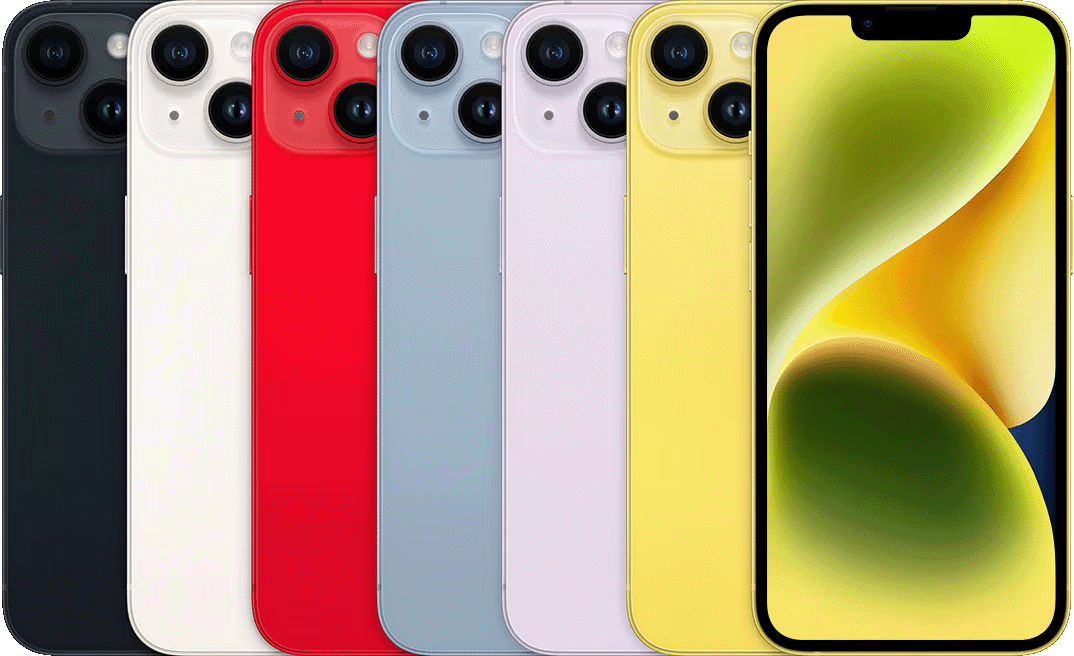
The iPhone 14 was a small upgrade with a few consequential choices
The regular iPhone 14 was recognisable to anyone using a 13. A buyer still got a 6.1-inch OLED, a Wide and Ultra Wide pair and a conventional notch. The more material launch changes were a better main and front camera, a wider standalone collection of safety capabilities and a different SIM arrangement in the United States. Some of those changes were always there when you used the phone. Others mattered only at a particular moment. It was a good phone to buy when your last one needed replacing. That did not make it equally persuasive for every 13 owner.
Quick verdict
Retail release in the United States · Archive date
I would have chosen the 14 to replace an older iPhone if I already liked this size and valued the improved camera or safety hardware.
Best for: A buyer who wanted the current regular iPhone, made frequent use of the front camera and had verified their carrier's activation support.
Main benefit: The front camera gained autofocus and the improved main camera made everyday recording more useful without requiring you to buy a Pro.
Biggest drawback: It was hard to justify the change for a satisfied iPhone 13 owner. The announced satellite service was unavailable in the September launch window.
Reviewed version: The 6.1-inch US iPhone 14 as sold from September 16, 2022, with two rear views and 128 GB at entry.
Compatibility: The US model required eSIM. Crash Detection was a launch feature, while US and Canadian Emergency SOS via satellite was activated in November.
Review context: I evaluate the documented retail hardware and the software available in its release window. Regional variants and software changes are identified where they affect the verdict.
I owned the 14 as part of having every iPhone. This review concerns the September 16, 2022 US launch, with the 128 GB model at $799 before the terms linked to Apple and the carriers. The iPhone 14 Plus would follow on October 7. The two Pros arrived in September, so anyone willing to spend more could already choose a faster display and different cameras at retail. Apple’s iPhone 14 and 14 Plus launch announcement
The front camera was a meaningful way to improve the phone
The TrueDepth camera could autofocus and used a wider aperture. The difference mattered if you record yourself speaking at an ordinary distance and then have another person join closer than everything else in the shot. A front camera is also a camera you often use in a confined room or with uneven light. I would have checked how the person using the phone looked first, then what happened when somebody moved further away. This gives the autofocus a straightforward job. Hands-free little recordings can benefit just as much as more deliberate framing.
Related reading

Apple’s updated Main camera and Photonic Engine offered another reason to try the phone in an environment where the old one struggled. A reasonably still person beside a window and a person moving quickly in a poorly lit room are separate challenges. Focusing, subject movement and incoming light all contribute to whether a result looks good. I would have tried a scene I already knew instead of expecting every camera and every kind of capture to improve by the same amount.
Action mode helped stabilise movement in suitable light and changed the recorded field and format. It was worth trying where I needed to walk with the camera. On a stationary shot, normal video could provide the result I wanted with fewer grounds for compromise. Comparing the kind of video you actually send to other people makes those choices clearer. There was still no dedicated telephoto, which could be a greater distinction for someone regularly trying to frame a distant detail.
The safety changes belonged to different dates
Crash Detection was part of the launch hardware and software. Its purpose was to try to recognise a severe car crash and help prompt contact with emergency services, including an automatic call if the driver did not respond. It was a useful provision to understand. Emergency SOS via satellite was also announced in September, and US and Canadian service began in November. Buying a 14 in the first fortnight meant buying hardware for that future service. It matters because someone who was travelling in September should not have planned around it already being available. Apple’s November satellite service availability
I would have considered safety as a reason to like the phone over the period of ownership and checked the details before depending on any one part of it. The ordinary ability to communicate still came from planning what connectivity and emergency contacts were available. An announced convenience and a working service at an address are not equally useful on the date you buy a phone.
The US change to eSIM had a real effect on switching phones
A US iPhone 14 had no physical SIM tray, while regional configurations differed. Check what your carrier supports before giving a working phone away or depending on a new activation abroad. Many people could use the digital transfer and carry two supported numbers without buying two SIM cards. Somebody who routinely bought a physical card for travel or used a smaller provider had a useful reason to check the specific service before doing a full migration.
Related reading

That move could be bigger than it appeared on the showroom floor. The device you are replacing may be needed to receive a verification code during the transfer. It is sensible to make a call and try the number that should handle your ordinary messages before assuming that everything is working. A change that took only a few minutes under a supported carrier could take more arranging for somebody whose provider used a different activation flow.
Consider what else a 6.1-inch screen could do
The regular 14’s display provided enough space for ordinary reading, directions and photography. The obvious comparison was with the regular 13, already familiar on similar work. The 14 Pro was the more different device inside that diagonal, adding the adaptive display, Dynamic Island and a substantially different camera layout. The ordinary 14 was also lighter than the Pro. Someone whose most frequent actions were reading, checking messages and using the main camera could easily prefer the price and fit of the regular phone. A large display user had a reason to consider waiting until October for the Plus.
Watch the way the front camera frames a second person
An example is a call in a small room where one person holds the phone and another leans in. The view depends on how much room both people have and where they stand. The front camera with autofocus makes it worthwhile to check the two positions separately. In short clips recorded with the phone on a stand, I would have tried stepping forward for a demonstration and then back to the original position. Look for whether the important detail is visible when you send the finished result. That is a more direct use of the improved camera than spending more because the 14 is the newer phone. If an older iPhone does those jobs well already, it gives you a baseline to come back to.
My verdict on the iPhone 14
I liked the regular 14 because it was easy to pick and use as a new iPhone if I already liked the mainstream size. The improved front camera and its safety hardware made the most identifiable changes for that buyer. A 13 owner happy with their camera could keep their phone and get a larger upgrade later. The iPhone 14 Pro made more sense when the display and camera differences were ones you would notice. The iPhone model timeline preserves the two dates on which the regular 14 sizes arrived.
What worked
The front camera gained autofocus and the improved main camera made everyday recording more useful without requiring you to buy a Pro.
Action mode made some types of moving footage steadier in suitable lighting, with a trade for frame size and cropping.
What bothered me
It was hard to justify the change for a satisfied iPhone 13 owner. The announced satellite service was unavailable in the September launch window.
Reliance on eSIM made carrier and international setup important for people who previously depended on a physical SIM.
Who should not buy it
Somebody who already liked their 13 and needed a tangible change in the display, working camera distances or battery before replacing it.
Alternatives I would consider
iPhone 14 Pro. The 6.1-inch Pro gives a more distinctive display and changes the camera choices, with greater weight and a higher price. Read my iPhone 14 Pro review.
Evidence and sources
The release date refers to general availability in the named market. The archive filing is ten days later. Feature assessments are editorial judgments based on the documented retail model.
Features, compatibility and rated figures from the maker are manufacturer information. My opinions are identified in the review.
Conclusion
The 14 earned its price when you needed a replacement anyway. Compare plans and activation terms, and buy space to store actually used apps and videos.
One email a week with practical Mac workflows, useful comparisons and honest tech recommendations.