The DJI Air 3 interests me because two cameras can create two different ways to describe the same place. I like the idea of choosing a wider context or a tighter view without treating every composition change as a reason to move the aircraft. That is a useful creative reason to compare this drone, provided the planned work actually uses both views.
Quick verdict
I would choose this Air 3 package when the medium-tele camera serves real shots and I am comfortable using my phone as the controller display.
Best for: A creator with an understood flight location and a genuine use for two different camera views.
Main benefit: Separate wide and medium-tele cameras provide different framing choices without making every change depend on flying closer.
Biggest drawback: This is a larger aircraft than a Mini, and the selected RC-N2 requires a suitable phone rather than providing its own display.
DJI Air 3 with DJI RC-N2 controller, selected US package
Amazon US · US
Check price and availability: DJI Air 3 with DJI RC-N2 controller, selected US package at Amazon USAffiliate link. As an Amazon Associate I earn from qualifying purchases.
Reviewed version: DJI Air 3 with DJI RC-N2 controller, selected US package
Compatibility: Original DJI Air 3 with DJI RC-N2 phone controller, not Air 3S or the RC 2 screen-controller package. Check the current supported phone, DJI Fly software and applicable operating requirements.
Review context: I assess a planned outdoor photo/video flight, two-camera composition, the selected phone controller and battery/media preparation.
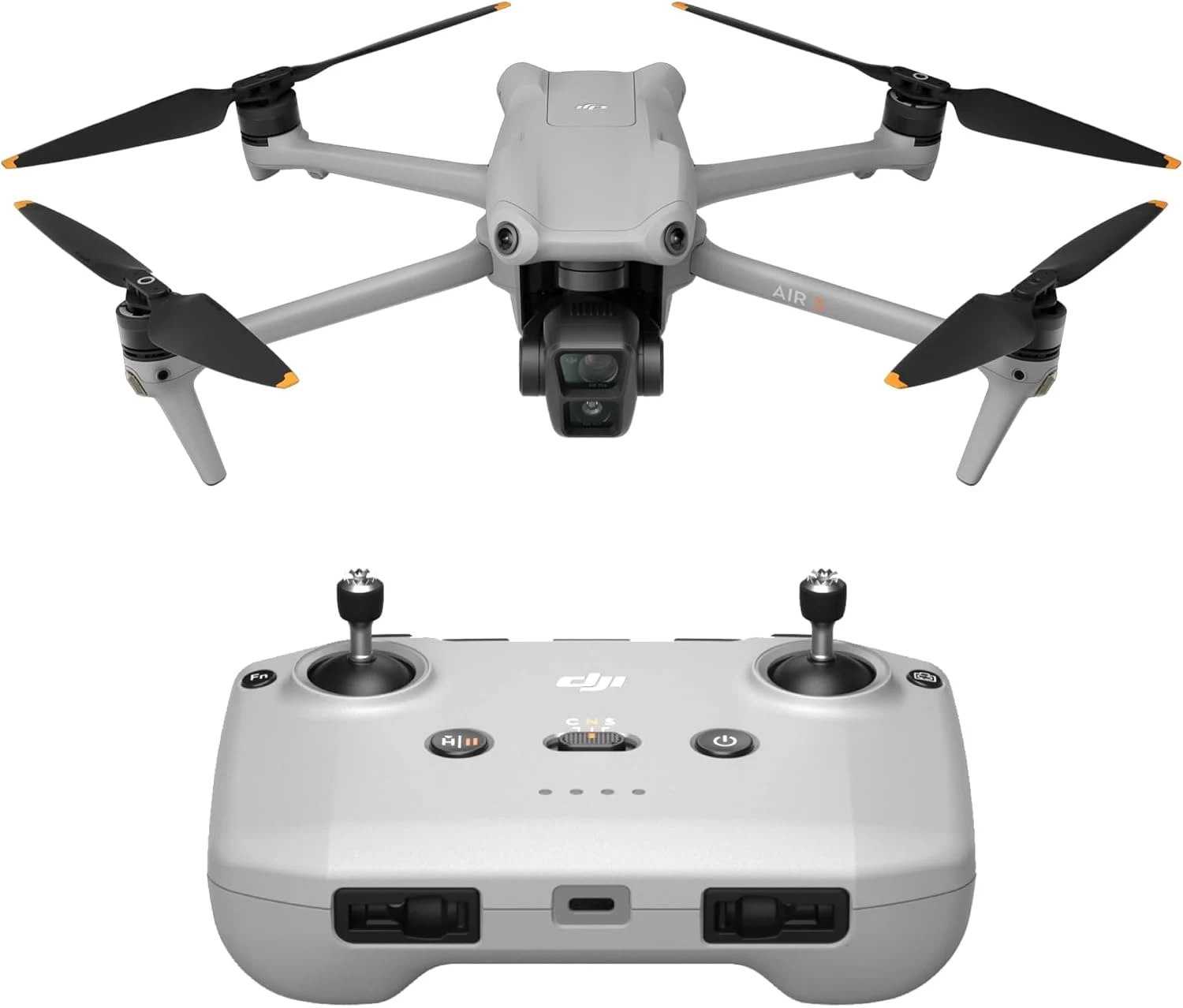
The selected package includes the RC-N2 phone controller. It does not include the RC 2 controller with a built-in screen. I would keep that distinction beside the camera features, because the phone, software and connection become part of every flight. The aircraft is only one part of a complete setup that needs to work together.
Two cameras should serve an actual composition
DJI’s Air 3 information identifies the original dual-camera model. I would distinguish it from the later Air 3S rather than combine the two names and borrow the newer camera’s specifications. A familiar-looking aircraft does not establish the same sensor arrangement, and a shopping page should identify the generation clearly.
Related reading
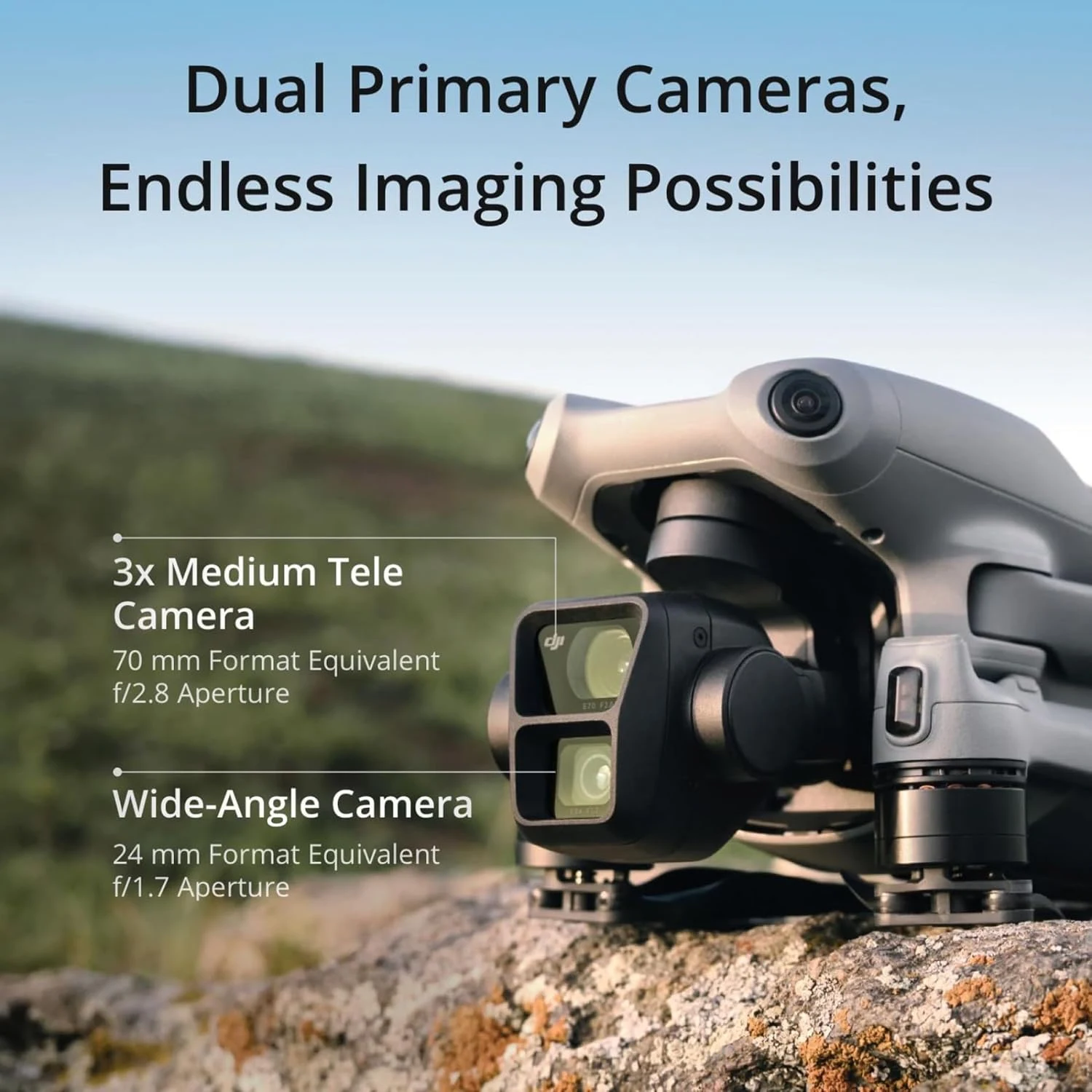
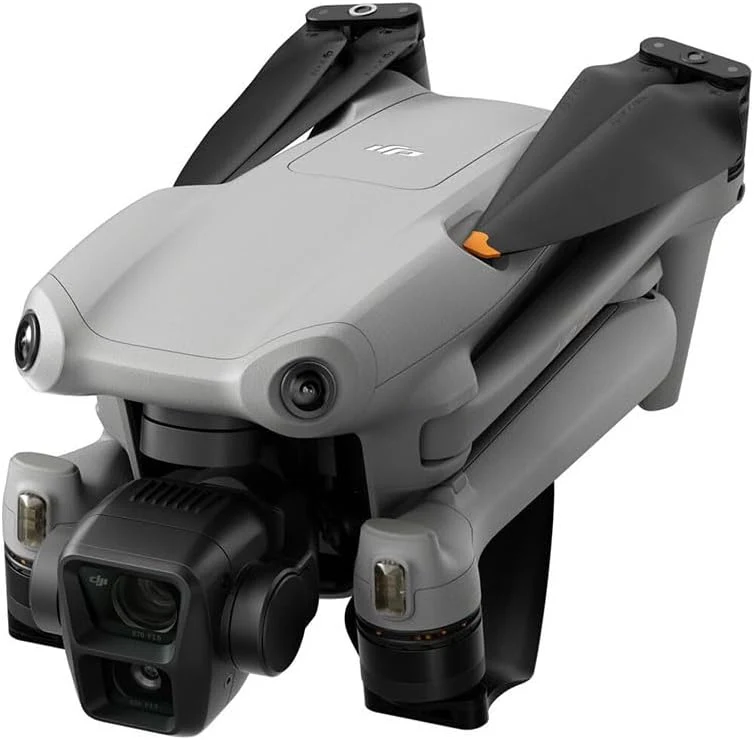
The Air 3 pairs a wide camera with a medium-tele camera. I find that more interesting as a choice of framing than as a simple zoom headline. A wider image can explain the location, while a tighter view can give one part of it more attention. I would plan a sequence that uses that difference deliberately instead of switching lenses without a purpose.
A tighter view should not become an excuse to disregard the practical operating area. I would choose a suitable launch location, understand the surroundings and keep the aircraft’s position clear. The camera can change how a subject appears, but it does not remove the need to know where the drone is and how the flight will end.
The phone is part of this controller package
The RC-N2 uses a compatible phone for its display. I would check the current supported device and DJI Fly requirements before buying, including the correct software route for my phone. A controller connector that fits physically is not the whole compatibility decision. The operating system, application and actual cable arrangement matter together.
I would also consider the phone’s ordinary workload. A flight setup should not depend on an almost-empty battery or a device whose screen is difficult to see in the intended conditions. I would prepare it for the session and make sure the aircraft information remains easy to read. This is a practical planning point rather than a claim about my own flight experience.
A built-in-screen controller could be worth comparing if I want a more separate flying device. That would be another package, with its own cost and support details. I would not describe the selected RC-N2 offer as though it supplies the convenience of an RC 2 merely because both can be sold with the same aircraft family.
Published flight limits need their conditions
DJI’s official specifications give conditional performance figures. I would use those to understand the model, rather than turn a maximum flight-time claim into my normal session plan. Wind, temperature, the route and a sensible return reserve can all affect the time available for making useful shots.
Related reading

The Air 3 is also a different packing and operating choice from a smaller Mini. I would compare the complete aircraft, controller, spare-battery arrangement and bag. A larger camera platform may make sense for a planned filming trip, but the best drone for a casual outing is the one whose complete setup I am willing and prepared to take.
Obstacle sensing is assistance with documented limitations. I would read the conditions for the selected mode and environment, particularly where light or difficult surfaces affect sensing. I would not treat the feature as permission to plan a route through uncertain gaps. Clear space and a conservative route remain more useful than a confident feature label.
Recording and finishing belong in the plan
The cameras support different recording choices, and I would select them with the intended edit in mind. A high-resolution or more demanding colour format should have a useful purpose. I would first check whether my editing system can open, copy and finish the chosen files comfortably, rather than discover that problem after a trip.
Supported memory, spare power and a clear offload routine deserve a place in the buying calculation. An aircraft that can record an ambitious format still needs appropriate media. I would check the actual card guidance and the complete package contents instead of assuming that a gallery showing several accessories means every one is included.
I would keep enough destination storage for a checked copy and separate backup after the flight. Interesting aerial footage can be difficult to repeat, so the route from card to saved project matters. I would rather return with a manageable set of deliberate clips than collect more material than I can organize and finish.
Related reading

My choice would depend on the second camera
For a buyer whose main goal is a small travel camera in the air, I would compare the Mini 4 Pro carefully. For this Air 3, the stronger reason is the way its second camera supports an actual sequence. I would want to explain what that view adds to the project before accepting the larger aircraft and phone-controller arrangement.
My recommendation is positive when those choices are clear. The original Air 3 offers a coherent two-camera idea, and this package suits someone comfortable preparing a supported phone for the display. I would buy the complete setup for that planned work, with the exact generation and controller kept visible throughout the comparison.
The images show the selected product in retailer or manufacturer materials. They are not my test photographs. I base this assessment on the linked documentation and the exact selected listing; the buying choices and recommendations are my own editorial judgement.
What worked
Separate wide and medium-tele cameras provide different framing choices without making every change depend on flying closer.
What bothered me
This is a larger aircraft than a Mini, and the selected RC-N2 requires a suitable phone rather than providing its own display.
Who should not buy it
Someone expecting an Air 3S, an included RC 2 screen controller or obstacle sensing to replace responsible flight planning.
Alternatives I would consider
DJI Mini 4 Pro. I would compare it when a smaller aircraft and simpler packing matter more than a second camera. Read my DJI Mini 4 Pro review.
DJI Air 3S. I would compare the newer camera platform when its specific sensor and feature changes serve the intended work.
Evidence and sources
The primary documentation supports the stated features and limitations. The exact retailer listing identifies the selected model and bundle; source images illustrate the product.
DJI original Air 3 product identity
DJI Air 3 official camera, controller and conditional flight specifications
Features, compatibility and rated figures from the maker are manufacturer information. My opinions are identified in the review.
Conclusion
I would pay for the two-camera composition I need and compare the complete battery/controller kit, rather than buy on maximum flight-time claims.
DJI Air 3 with DJI RC-N2 controller, selected US package
Amazon US · US
Check price and availability: DJI Air 3 with DJI RC-N2 controller, selected US package at Amazon USAffiliate link. As an Amazon Associate I earn from qualifying purchases.
One email a week with practical Mac workflows, useful comparisons and honest tech recommendations.