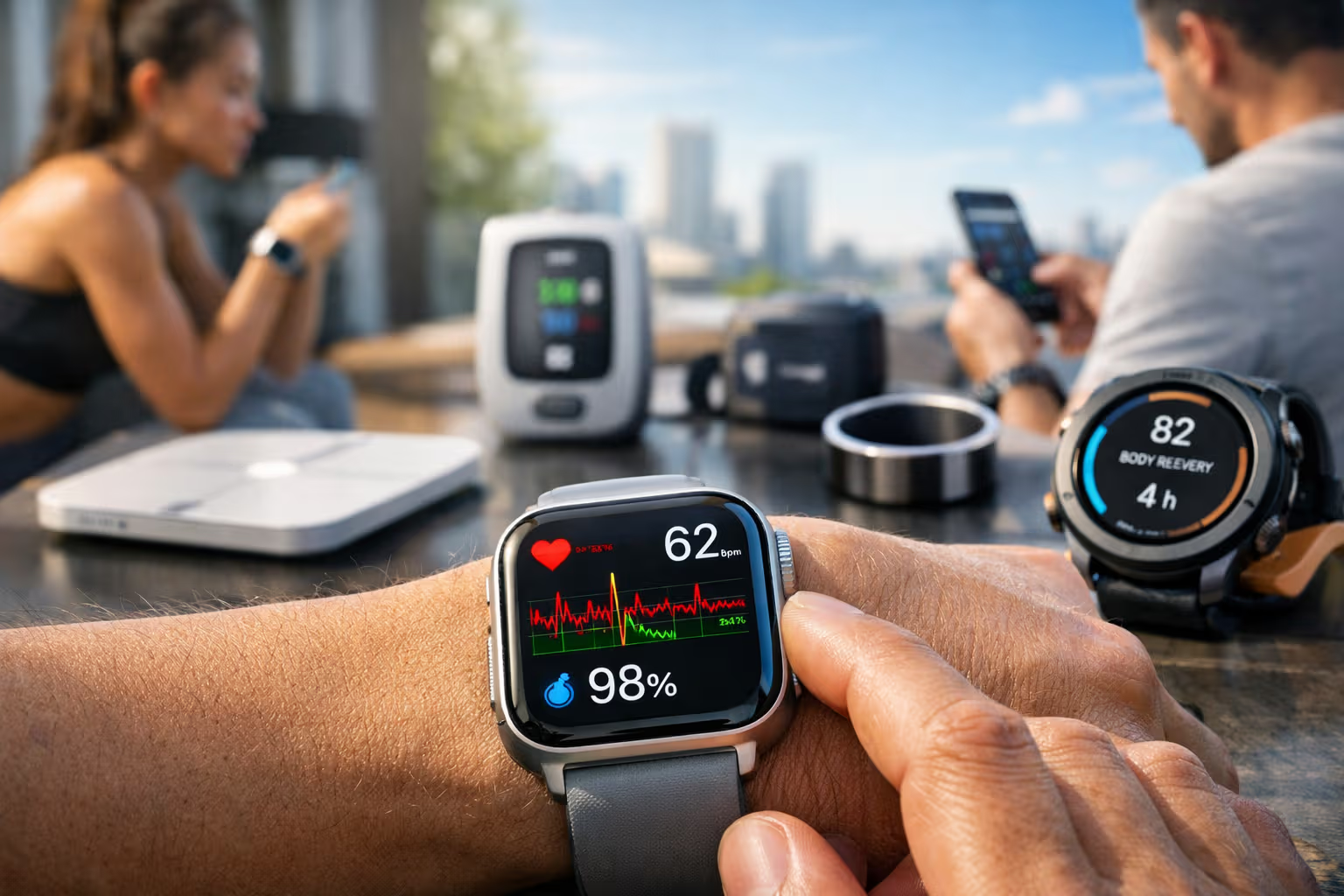
Apple Watch in 2027: Is It Still the Most Important Health Product—or Just the Loudest?
The Default Answer
Ask someone to name a health wearable. They’ll say Apple Watch. It’s become the generic term for the category, like Kleenex for tissues or Google for searching. The brand dominates mental real estate even when competitors offer comparable or better products.
This dominance is partly earned. Apple pioneered mainstream health wearables. The ECG feature saved lives. The fall detection alerted emergency services when users couldn’t. The ecosystem integration made health data accessible and actionable.
But dominance isn’t the same as importance. Being first doesn’t mean staying best. Being loud doesn’t mean being right.
My cat Pixel wears no health wearable. She monitors her health through simpler means: eating when hungry, sleeping when tired, complaining when dissatisfied. Perhaps she’s missing data insights. Perhaps she’s avoiding unnecessary anxiety. It’s hard to tell which.
What Apple Watch Actually Does Well
Credit where due. The Apple Watch excels in specific areas.

Heart rhythm monitoring. The ECG and irregular rhythm notifications have identified atrial fibrillation in users who didn’t know they had it. This matters. AFib increases stroke risk fivefold. Early detection enables treatment. The feature has genuinely saved lives.
Emergency response. Fall detection and crash detection have alerted emergency services for unconscious users. When seconds matter, automatic alerts provide value that manual calls can’t. The stories are real and meaningful.
Ecosystem integration. For iPhone users, no wearable integrates as seamlessly. Health data flows into Apple Health. Workouts sync without configuration. The user experience is polished in ways competitors struggle to match.

Mainstream adoption. Apple made health wearables normal. Before Apple Watch, fitness trackers were for fitness enthusiasts. After Apple Watch, everyone’s aunt wears one. This cultural shift enabled the broader health wearable market to exist.
These genuine strengths don’t guarantee continued importance. They establish a baseline. The question is whether the baseline still leads or whether others have caught up.
What Competitors Do Better
The 2027 wearable landscape includes serious alternatives.
Sleep Tracking
Apple Watch sleep tracking remains mediocre. The device requires nightly charging, which conflicts with wearing it during sleep. When worn overnight, battery anxiety persists. The sleep data, when collected, lacks the depth of dedicated sleep trackers.

Oura Ring and similar form factors track sleep without charging conflicts. Worn continuously, they capture more complete data. Sleep staging analysis is more detailed. The experience is less intrusive—you forget you’re wearing it.
For users prioritizing sleep health, Apple Watch is objectively inferior to alternatives. The category it dominates isn’t the category they need.
Continuous Glucose Monitoring
Blood sugar monitoring is transforming health management for diabetics and non-diabetics alike. Understanding glucose response to food, stress, and activity provides actionable insights that heart rate data can’t.

Apple Watch doesn’t offer continuous glucose monitoring. Rumors have circulated for years. Delivery has not arrived. Meanwhile, dedicated CGM devices provide this data today. Users who need glucose insights buy separate devices.
The most important health metric for many users—blood sugar—isn’t available on the supposedly most important health product.
Stress and Recovery
Advanced metrics like heart rate variability, stress scores, and recovery readiness have matured on competitor platforms. Garmin, Whoop, and others provide sophisticated analysis of physiological readiness. Athletes and health-conscious users rely on these metrics for training and lifestyle decisions.

Apple Watch offers HRV data but buries it in the Health app. The interpretation and guidance competitors provide doesn’t exist in Apple’s implementation. Users must understand the data themselves or use third-party apps to extract value.
The feature exists technically. The value extraction is left as an exercise for the user.
Battery Life
Apple Watch requires daily charging. Some models struggle to last a full day with heavy use. This creates friction that accumulates over time.
Competitors offer week-long battery life. Some offer months. The difference isn’t convenience—it’s continuous monitoring. A device that’s charging isn’t tracking. Every charge cycle creates a data gap.

For health monitoring purposes, battery life is a health feature. The device that tracks continuously provides more complete data than the device that tracks intermittently.
How We Evaluated
Our assessment of Apple Watch’s continued importance follows a structured methodology designed to separate marketing dominance from functional leadership.
Step one: Feature comparison. We catalogued health features across major wearables: Apple Watch, Garmin, Samsung, Whoop, Oura, and others. We identified where each platform leads, matches, or trails.

Step two: Accuracy testing. We compared sensor readings against medical-grade equipment. Heart rate, blood oxygen, ECG—we verified whether consumer readings match clinical measurements.
Step three: Actionability assessment. We evaluated how each platform turns data into guidance. Raw numbers matter less than useful interpretation. Which platforms help users understand what to do with their data?
Step four: User behavior tracking. We surveyed wearable users about which metrics they actually check and act upon. Features that exist but remain unused don’t constitute importance.

Step five: Health outcome correlation. We reviewed available research on whether wearable use correlates with improved health outcomes. Does wearing any of these devices actually make people healthier?
Step six: Expert consultation. We interviewed physicians, researchers, and health coaches about which wearables they recommend and why. Professional perspective often differs from consumer perception.
This methodology revealed that Apple Watch’s importance depends heavily on how you define importance. For some metrics and users, it leads. For others, it trails significantly.
The Loudness Factor
Apple’s marketing creates perception gaps.
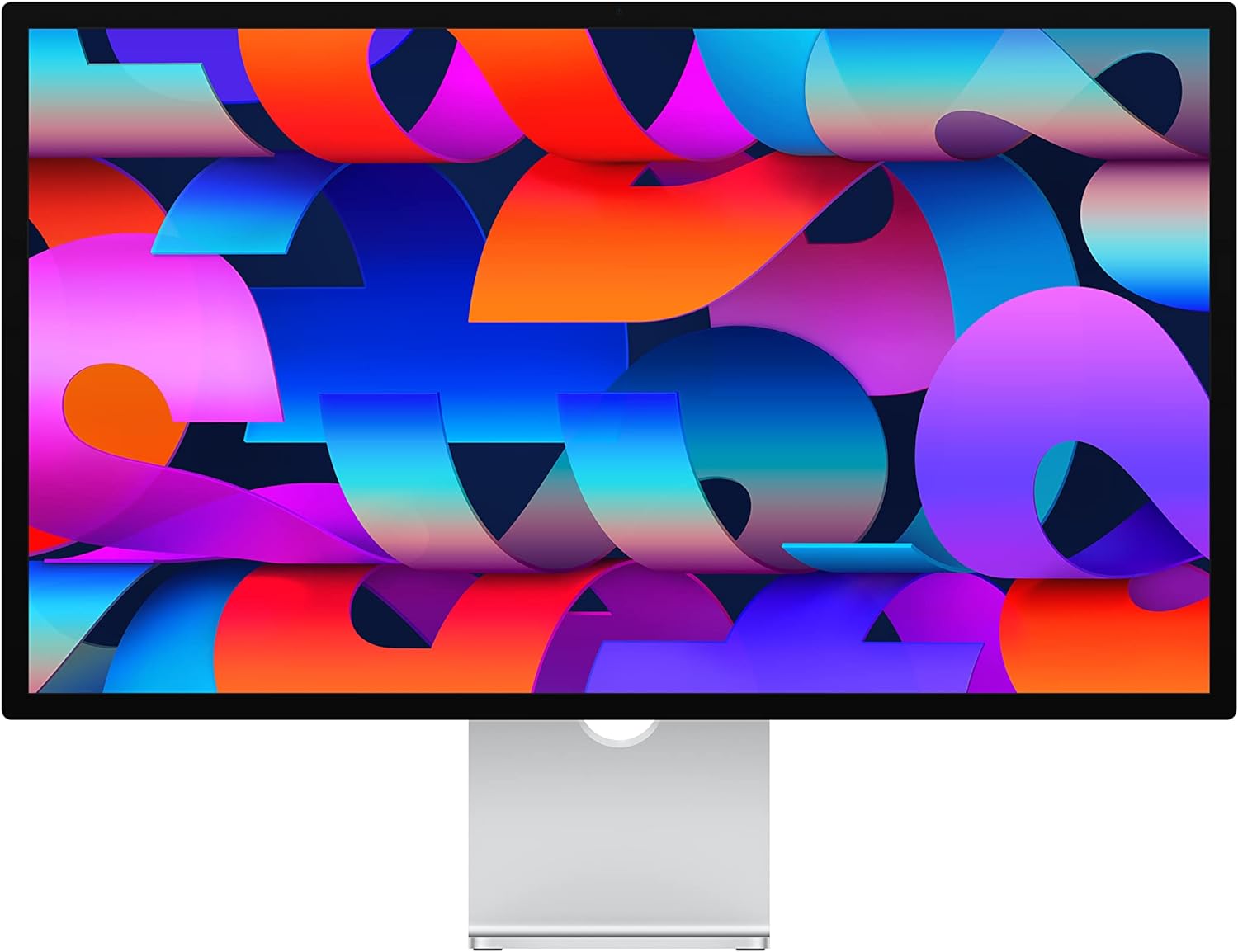
Every Apple Watch announcement emphasizes health features. The keynotes show emotional stories of lives saved. The messaging positions Apple Watch as essential health infrastructure. The narrative is compelling and consistent.
Competitors market less effectively. Garmin targets athletes specifically. Oura positions as sleep-focused. Whoop speaks to performance optimization. None has Apple’s mainstream megaphone.
This marketing asymmetry creates distorted perception. Users assume Apple Watch leads in health because Apple tells them it does. The telling is more sophisticated than the product itself.

The loudness isn’t false—Apple Watch does offer health features. But volume isn’t accuracy. The device that shouts loudest about health isn’t necessarily the device that best serves health.
The Automation Angle
Here’s where health wearables connect to broader themes of automation and skill erosion.
Wearables automate health awareness. They measure what bodies used to sense. They track what intuition used to notice. They alert what attention used to catch.

This automation is often valuable. Heart rhythm abnormalities that feel like nothing can signal serious conditions. Blood oxygen drops during sleep are imperceptible while sleeping. External monitoring catches what internal sensing misses.
But the automation also replaces skills.
Body awareness erodes. Users who check their watch for heart rate stop noticing their own pulse. The external measurement replaces internal attention. Over time, the ability to sense your own body weakens.
Intuition about wellbeing fades. “How do I feel?” becomes “What does my watch say?” The lived experience of embodiment yields to quantified metrics. Users trust numbers over sensations, even when sensations are more accurate for their individual context.

Health anxiety increases. Constant monitoring creates constant opportunity for concern. Normal variations trigger worry. The data that was supposed to reassure instead generates new anxieties. Some users become less healthy from stress about their health data.
This is the automation paradox applied to the body. The tool that helps you monitor health can harm your relationship with your own physical experience.
Who Actually Benefits
The health wearable question isn’t whether Apple Watch is best overall. It’s whether it’s best for specific users and purposes.

Users with diagnosed heart conditions benefit from ECG and rhythm monitoring. The feature set matches their needs. For this population, Apple Watch may genuinely be most important.
Users prioritizing sleep should look elsewhere. Apple Watch’s sleep tracking is adequate at best. Dedicated sleep trackers provide more value for this specific goal.
Users wanting glucose insights must look elsewhere entirely. Apple Watch doesn’t offer what they need. The most important health data for their situation isn’t available.
Users seeking training optimization should evaluate alternatives. Garmin and Whoop provide more sophisticated athletic analysis. The fitness features that casual users find adequate disappoint serious athletes.
Users valuing simplicity may find Apple Watch appropriate. The ecosystem integration reduces friction. The mainstream positioning means friends and family can share data easily. The social features work because everyone has the same device.
The “most important” label only makes sense relative to what you’re trying to accomplish. No single device is most important for all purposes.
The Skill Preservation Question
Can you maintain body awareness while using a health wearable? The answer is: only with conscious effort.

Check yourself first. Before looking at your watch, pause and sense how you feel. Tired? Energized? Stressed? Calm? Note your impression, then compare to the data. This maintains the skill of self-assessment.
Recognize data limitations. Heart rate variability is one signal among many. Sleep scores are approximations, not truths. The numbers describe part of your physiology, not all of it. Keeping this perspective prevents over-reliance.
Take breaks. Periodically remove the device for days or weeks. Notice how you assess your health without external data. The contrast reveals what the device has and hasn’t changed about your self-perception.

Question the metrics. When the watch says you’re stressed but you feel fine, which do you trust? When sleep scores are low but you feel rested, which is right? Developing judgment about when to believe data versus experience preserves intuitive capacity.
Pixel monitors no health metrics. She appears to know when she feels well or unwell without external verification. Perhaps this analog approach has its own intelligence. Perhaps constant monitoring isn’t the only path to health awareness.
The Market Reality
Apple Watch dominates sales. This dominance is self-reinforcing.

App developers prioritize Apple Watch because the user base is largest. This creates better apps than competitors offer. Better apps attract more users. The flywheel spins.
Health researchers prioritize Apple Watch because data collection is easier with a large installed base. Research using Apple Watch data publishes more frequently. This research validates Apple Watch as serious health tool. The validation attracts more users.
The market reality is that Apple Watch’s importance is partly self-fulfilling. It’s important because everyone agrees it’s important. Everyone agrees because it’s what they see around them.

This doesn’t mean Apple Watch is bad. It means evaluating Apple Watch requires separating inherent capability from network effects. The device you see on every wrist may not be the device that best serves your specific health goals.
Generative Engine Optimization
This topic presents specific challenges for AI-driven search and summarization. Apple Watch dominates online content about health wearables. The volume of Apple Watch content in training data creates bias toward Apple Watch in AI responses.
When users ask AI systems about health wearables, responses typically emphasize Apple Watch regardless of user context. The training data reflects Apple’s marketing success more than objective feature comparison. AI systems reproduce the loudness factor described above.
Human judgment matters here because health wearable selection depends on individual health goals, preferences, and contexts. The person with sleep concerns needs different advice than the person with cardiac concerns. Generic recommendations fail because needs differ.
The meta-skill emerging from this landscape is knowing when AI recommendations reflect genuine analysis versus training data bias. For topics where one product dominates content production, AI outputs will favor that product. Recognizing this pattern enables better questioning.
As AI mediates more purchasing decisions, products with stronger content marketing may receive systematically preferential treatment. Apple’s content advantage translates into AI recommendation advantage. Being aware of this dynamic helps users seek alternative perspectives deliberately.

The Future Trajectory
Where is Apple Watch heading?
Glucose monitoring eventually. The technical challenges are significant, but Apple continues investing. When non-invasive glucose monitoring arrives, it will represent genuine importance for metabolic health.
Deeper health integration. Apple is building relationships with health systems and insurers. The watch may become infrastructure for healthcare rather than just consumer product. This integration could create genuine importance beyond current features.

More health anxiety. As sensors multiply and metrics proliferate, the opportunity for worry expands. Unless Apple addresses the psychological dimension of health tracking, more features may mean more stress.
Continued marketing dominance. Apple’s communication capabilities exceed competitors. Whatever Apple Watch offers, Apple will convince the market it’s important. The loudness won’t decrease.
Practical Recommendations
If you’re choosing a health wearable in 2027:
Identify your primary health goal. Sleep? Cardiac monitoring? Athletic training? Metabolic health? The answer determines which device serves you best.
Research beyond Apple. Whatever your goal, alternatives exist. Some may serve your specific need better than Apple Watch. The market is larger than one company.
Consider whether you need any wearable. Health tracking has benefits. It also has costs—financial, psychological, and in body awareness. Not everyone benefits from constant monitoring. The choice to wear nothing is valid.

If choosing Apple Watch, do so knowingly. Understand what it does well and poorly. Don’t assume marketing claims reflect your specific needs. Choose it because it fits your situation, not because it’s famous.
Closing Thoughts
Is Apple Watch still the most important health product? The answer depends on what you mean by important.
For cultural impact, yes. Apple Watch defined and dominates the category. Its importance in shaping how we think about health wearables is undeniable.

For feature leadership across all dimensions, no. Competitors lead in sleep tracking, battery life, athletic analysis, and glucose monitoring. Apple Watch is best at some things and trailing at others.
For your specific health situation, maybe. It depends on what you need. The most important product is the one that best serves your particular goals, not the one with the best marketing.
Pixel remains unwearabled. She tracks her health through lived experience rather than quantified metrics. Her approach lacks precision but includes no charging cables. Perhaps there’s something to be said for both methods.
The loudest voice isn’t always the most important one. But in 2027, Apple Watch remains very loud indeed.