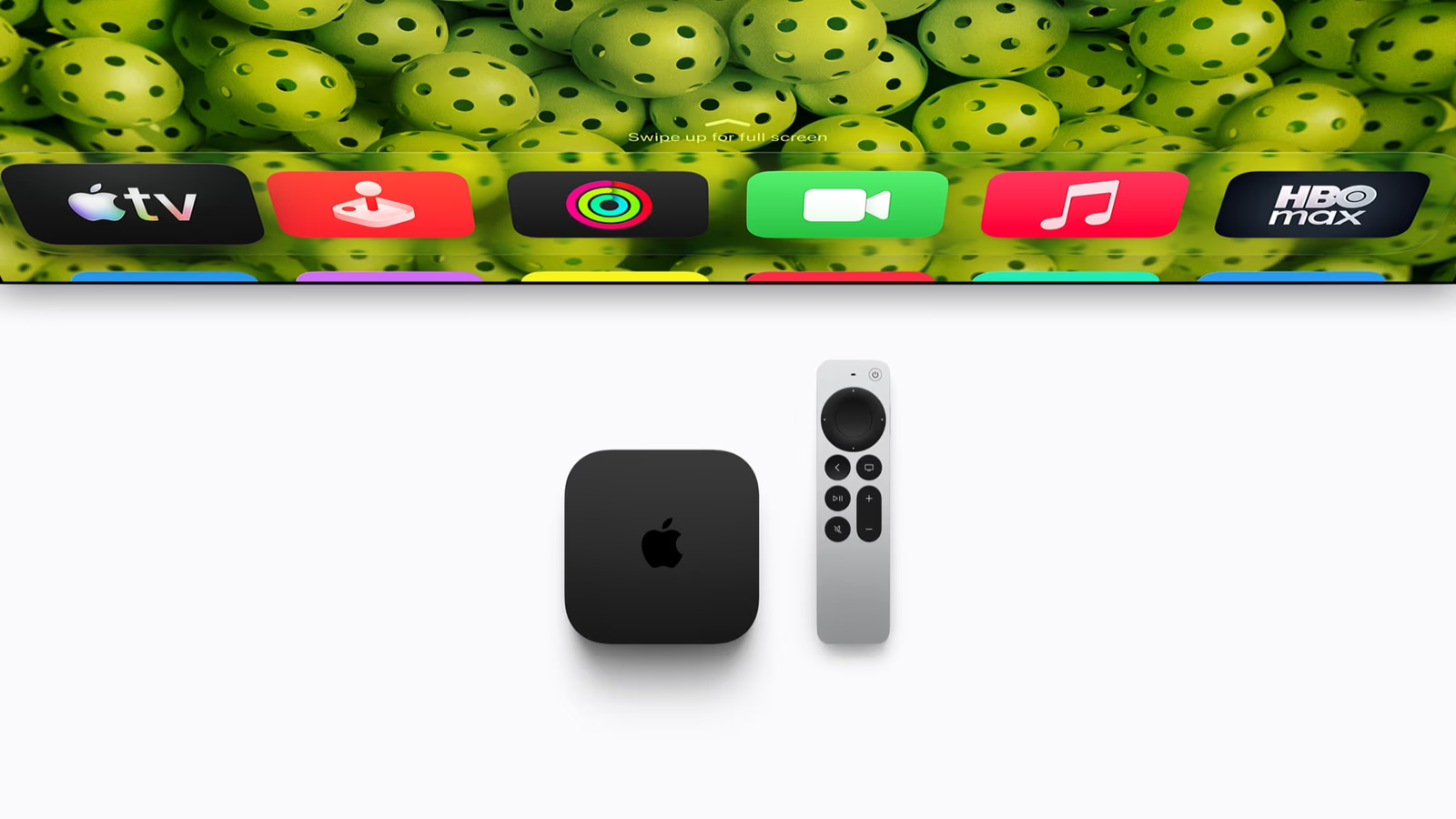
Hero image: Apple Newsroom. Official product image converted to a 16:9 AVIF canvas.
A television box should make the room easier to use. Press a control, reach the programme and get on with the evening. New processing power is interesting only when it supports that experience or enables something the existing setup cannot do. That is the standard I would use for the fourth-generation Apple TV 4K.
The announced model has a more ambitious role in the room, especially around home audio and voice interaction. My research suggests it deserves attention when those functions solve a clear need. I would be slower to replace a working streaming setup simply because a newer chip is available.
This is a research preview based on information available on 20 October 2026. Apple’s announced availability begins on 13 November. I have not tested the box, remote, audio system or interface. The article assesses the announced capabilities and the checks needed before a confident purchase.
Start with the screen already in the room
The television, network, services and audio system determine much of the experience. A new box cannot create a capability that the rest of the route does not support. Write down the current problem before deciding which part needs replacing.
Perhaps the built-in apps feel inconvenient. Perhaps the household wants a more consistent interface. Perhaps a particular home-audio arrangement is attractive. Those are useful starting points because the result can be evaluated. Wanting the fastest chip is less informative if the evening still consists of opening the same two apps.
Also think about everyone who uses the room. A setup that makes sense only to its owner can become frustrating for the rest of the household. The most successful entertainment system is often the one whose ordinary actions are obvious without an explanation.
Related reading

What the new hardware is intended to support
Apple’s launch announcement identifies the A19 chip, AV1 decoding, far-field microphones and a new home-audio arrangement. These are announced capabilities. They do not establish measured app speed, voice recognition quality or sound in a particular room.
The technical specifications are the right place to check a required connection or format before ordering. Match the whole path: service, content, application, box, cable, display and sound system. A single supported feature at one point does not guarantee the same result at the end.
I would make a short list of required services and favourite content. Then verify those exact combinations rather than relying on a broad promise about streaming quality. A product can be capable while a particular app or subscription still determines what is delivered.
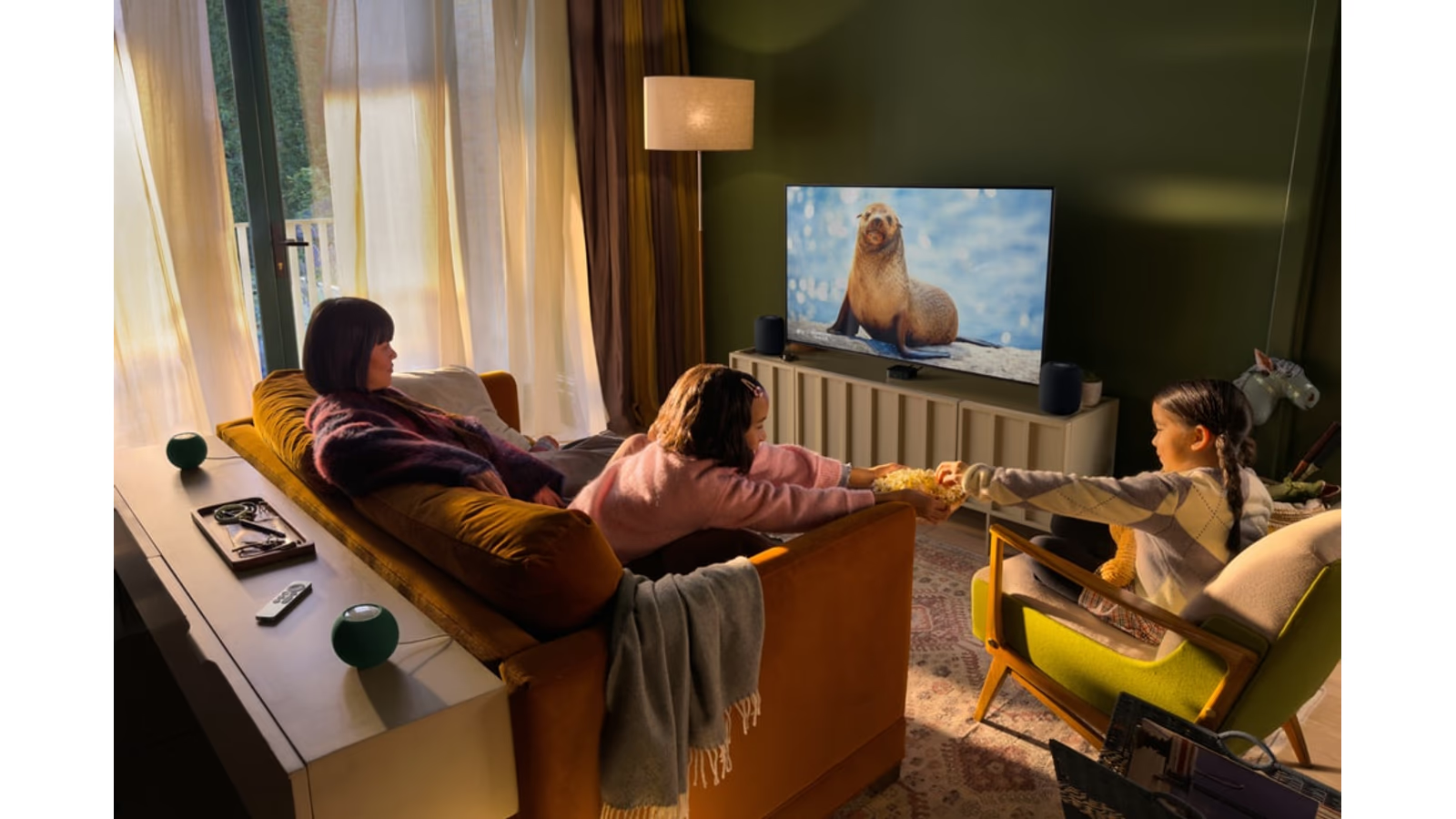
Official product image: Apple Newsroom. Converted to 16:9 AVIF without stretching the product.
The euro price changes the question
The German launch price is €349 including VAT, checked for this preview. That is a launch figure, not a current retailer quote. It asks for a more specific benefit than simply making an already usable television smart.
Compare the cost with the problem being solved. If the current setup reliably reaches the desired services and everyone understands it, the benefit may be limited. If the box becomes the centre of a planned audio or home arrangement, the calculation can be different. The purchase should be judged inside that plan.
Keep future functions separate from current value. A promised software improvement can be interesting without being a reason to pay today. The system should make sense using the capabilities that are available in the relevant country and language when it is actually purchased.
Four-speaker audio is a system purchase
Apple describes a surround arrangement using the new Apple TV with four supported HomePod speakers arranged as matching pairs. Check the exact model requirements. Do not assume any four older speakers can be combined into the announced system just because they share the HomePod name.
Using the checked German launch figures, one €349 Apple TV and four €169 HomePod mini 2 speakers total €1,025. That is simple component arithmetic, not a measured sound-quality verdict or a claim that this is the best audio purchase at the price. It makes the complete decision visible.
Room layout matters. Speakers need suitable positions and power. The household needs to accept those objects in the space. Before buying, sketch the room and identify where the components would go. A system that cannot be placed sensibly may never deliver the experience suggested by a launch photograph.
Sound needs listening evidence
A preview cannot establish dialogue clarity, bass behaviour or the sense of space in an ordinary room. Those need original listening tests and, ideally, a relevant demonstration. I would wait for that evidence before ranking the announced arrangement against a soundbar or another speaker system.
Related reading

Use familiar material during a comparison. Include speech, quiet scenes and the type of programme normally watched. Keep the listening level comparable. A dramatic demonstration can be enjoyable while saying little about the volume and content used most evenings.
Also check behaviour during ordinary interruptions. Change a source, pause, resume and return the next day. Sound quality is only part of ownership. A system that repeatedly needs attention can lose practical value even if a carefully prepared demonstration sounds impressive.
Voice interaction belongs to a shared room
Far-field microphones change the way the box participates in the household. Understand when voice features are active, how the controls work and which device handles a request. The convenience should be clear to everyone who uses the room, not only the person who configured it.
Apple’s announced Siri AI direction has software, device, language and regional conditions. Check the exact function rather than assuming an international demonstration describes current local behaviour. A European buyer should not have to discover those limits after paying for the hardware.
I would keep the remote as an important part of the evaluation. Voice control can be helpful without replacing every physical action. A dependable ordinary path is valuable when the room is noisy, someone is asleep nearby or the person using the television simply prefers a button.
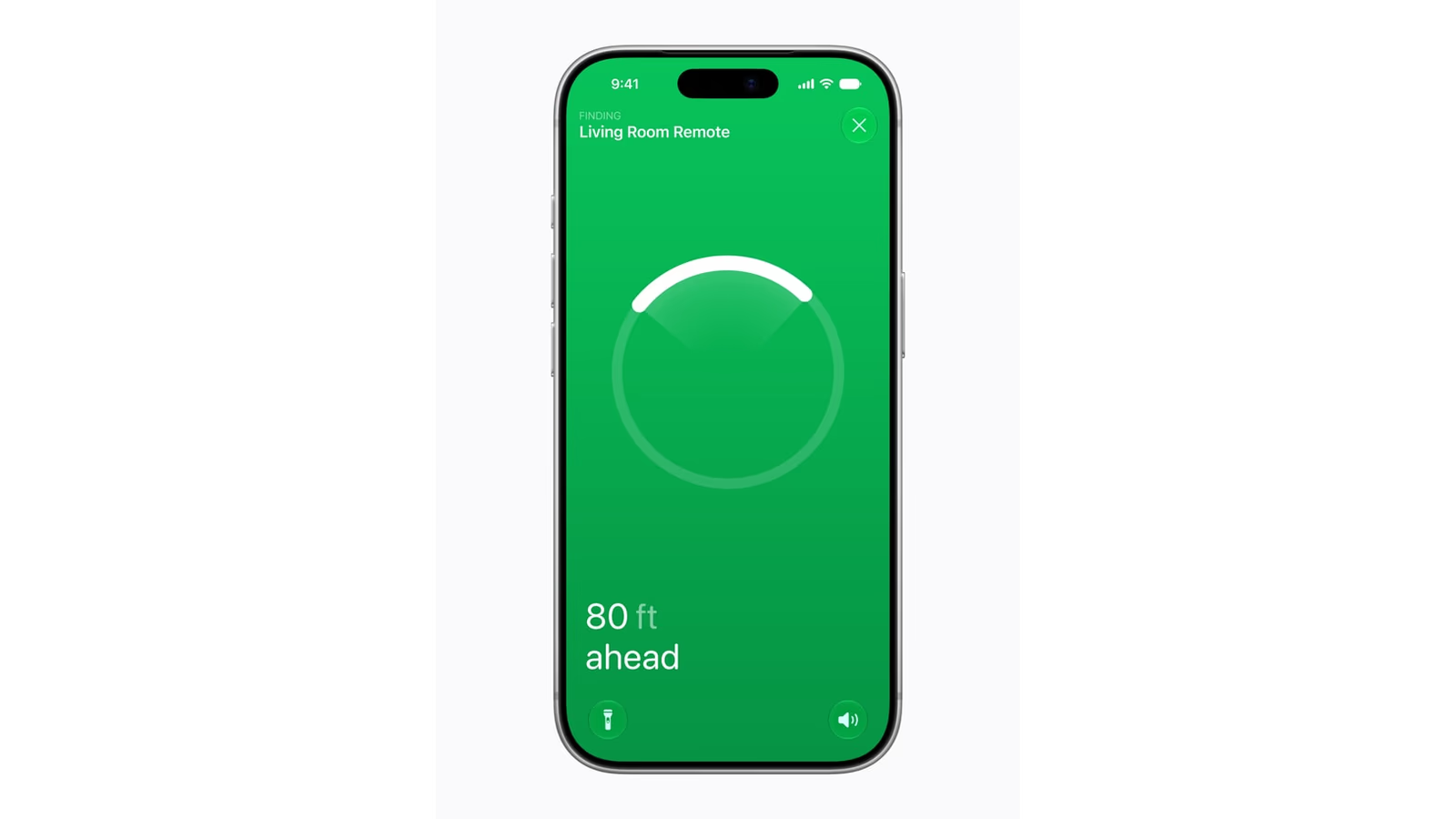
Official product image: Apple Newsroom. Converted to 16:9 AVIF without stretching the product.
The network is part of the television system
A streaming problem may come from the connection, service or local network rather than the processor. Check the route used by the television area and identify where interruptions occur. A new box can be a poor way to investigate a network issue that remains unchanged after the purchase.
For a planned audio setup, follow the current network and placement requirements. Test the normal household conditions, including other people using the connection. An empty-network demonstration is not the same thing as an evening when several devices are active.
Keep configuration understandable. Write down which device is responsible for each function and how to recover the ordinary setup. A small note can save a household from a collection of mysterious remote controls and settings that only one person remembers.
Smart-home value needs its own reason
Apple positions the product within its home ecosystem. That can be useful when the household already has a clear plan for supported devices and automations. It is less persuasive as an abstract feature added to a streaming purchase without any intended use.
Choose one or two useful home actions and verify compatibility for the exact accessories. A simple routine that reliably helps is a better starting point than a large collection of devices bought at once. The home should remain easy to operate when automation is unavailable or someone does not want to use it.
Related reading

This preview does not claim tested compatibility with a particular third-party device. Check current documentation for that combination. Product-family names and general ecosystem support are not enough to establish every accessory’s behaviour.
| Reason to consider the new box | Evidence to seek |
|---|---|
| Replace an inconvenient TV interface | Real app and remote responsiveness |
| Build the new surround arrangement | Model compatibility and listening tests |
| Use voice interaction | Current regional functions and clear controls |
| Support a home setup | Exact accessory and automation requirements |
| Replace a working older box | A specific task the old one cannot handle |
What I would test after availability
First, complete an ordinary evening without exploring special demonstrations. Open the common services, change programmes and return from standby. Then test the feature that justified the upgrade. This keeps the review grounded in use rather than the excitement of setup.
For audio, repeat the comparison in a realistic room with appropriate placement. For voice, try the language and requests the household actually uses. Record software versions and regional conditions. Those details make an original test useful to someone else rather than turning it into a universal promise.
Finally, ask another household member to use the system without coaching. Confusion is useful evidence. If a routine action requires a long explanation, simplify the setup before adding more features. Good technology should make the shared room easier to enjoy.
My preview verdict
The new Apple TV 4K is most interesting as the centre of a deliberate room setup, especially if the announced audio functions fit the plan. At €349, I would require a clear advantage over the system already present. I would wait for shipping-device evidence before making a strong performance or sound recommendation.
The best outcome is simple: the household reaches what it wants with less effort. If the new box can deliver that in your room, the hardware has a useful job. If the old arrangement already does, waiting remains a sensible choice.
Continue reading
One email a month: new articles, reviews and the upcoming live webinar + free recording. No spam, unsubscribe anytime.