I like the Ryzen 7 5700X as an upgrade question before I like it as a shopping item. If an AM4 desktop already has useful memory, storage, graphics and a suitable case, replacing all of it may be unnecessary. AMD’s eight-core Zen 3 processor gives that question a concrete shape: what does the current machine need to do better?
Quick verdict
I would choose it when eight cores fit the task and the upgrade preserves useful compatible AM4 hardware.
Best for: A reader improving an established DDR4 desktop with a well-defined CPU requirement.
Main benefit: The documented eight-core, sixteen-thread design creates a focused upgrade route without automatically replacing the platform.
Biggest drawback: There is no included cooler or integrated graphics route, and existing board support must be confirmed.
Ryzen 7 5700X boxed processor, manufacturer part number 100-100000926WOF, selected standalone CPU offer
Amazon US · US
Check price and availability: Ryzen 7 5700X boxed processor, manufacturer part number 100-100000926WOF, selected standalone CPU offer at Amazon USAffiliate link. As an Amazon Associate I earn from qualifying purchases.
Reviewed version: Ryzen 7 5700X boxed processor, manufacturer part number 100-100000926WOF, selected standalone CPU offer
Compatibility: AM4 board with exact 5700X support and required firmware, supported DDR4 memory, separate compatible cooler and discrete graphics card. Keep 5700X distinct from 5700, G and X3D variants.
Review context: I assess an eight-core upgrade in a useful existing AM4 desktop, retained DDR4 parts, workload bottlenecks, cooler reuse and the complete display route.
The model discussed here is the Ryzen 7 5700X, boxed SKU 100-100000926WOF. AMD lists its launch date as 4 April 2022. The selected Amazon US offer identifies that exact processor and manufacturer part number. I would keep 5700X separate from 5700, 5700G and similarly named X3D models when checking the cart and motherboard support.
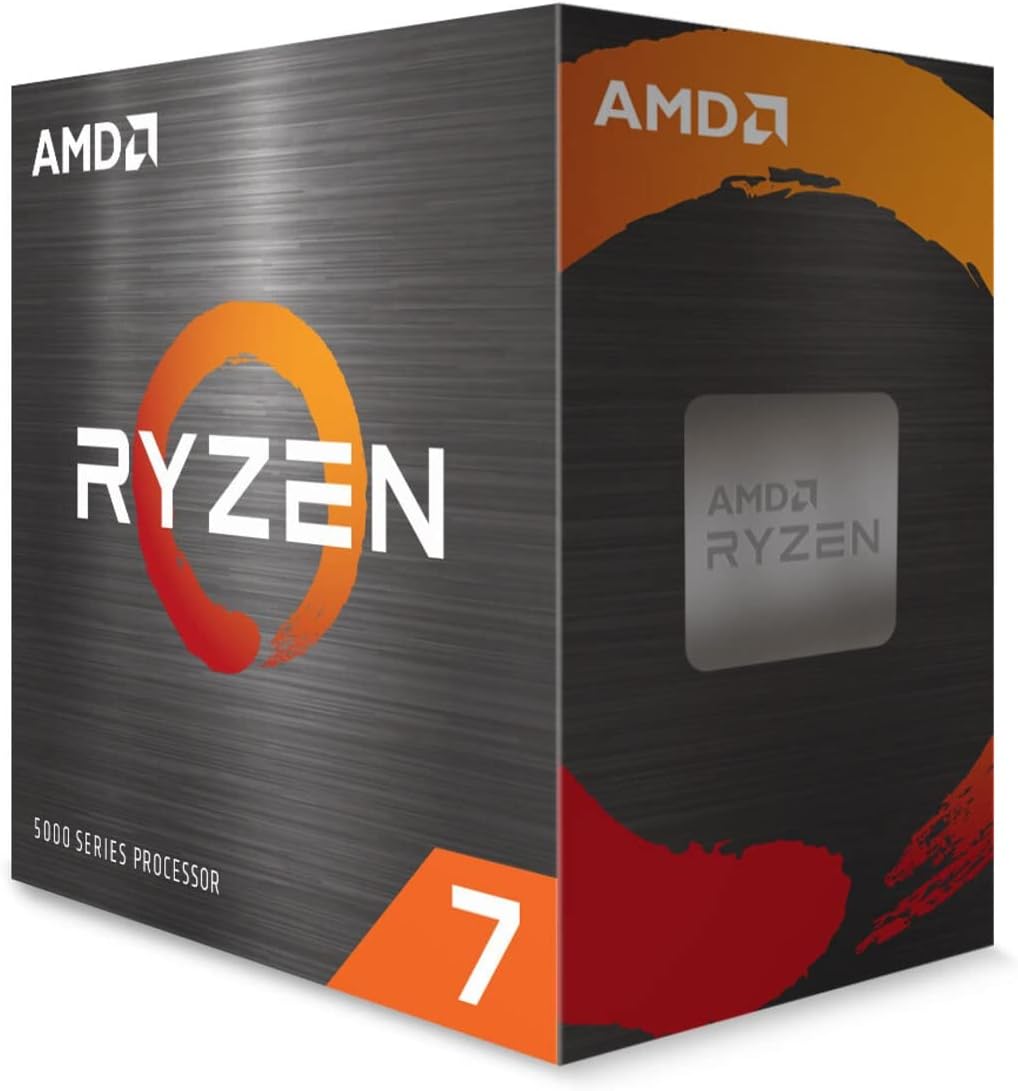
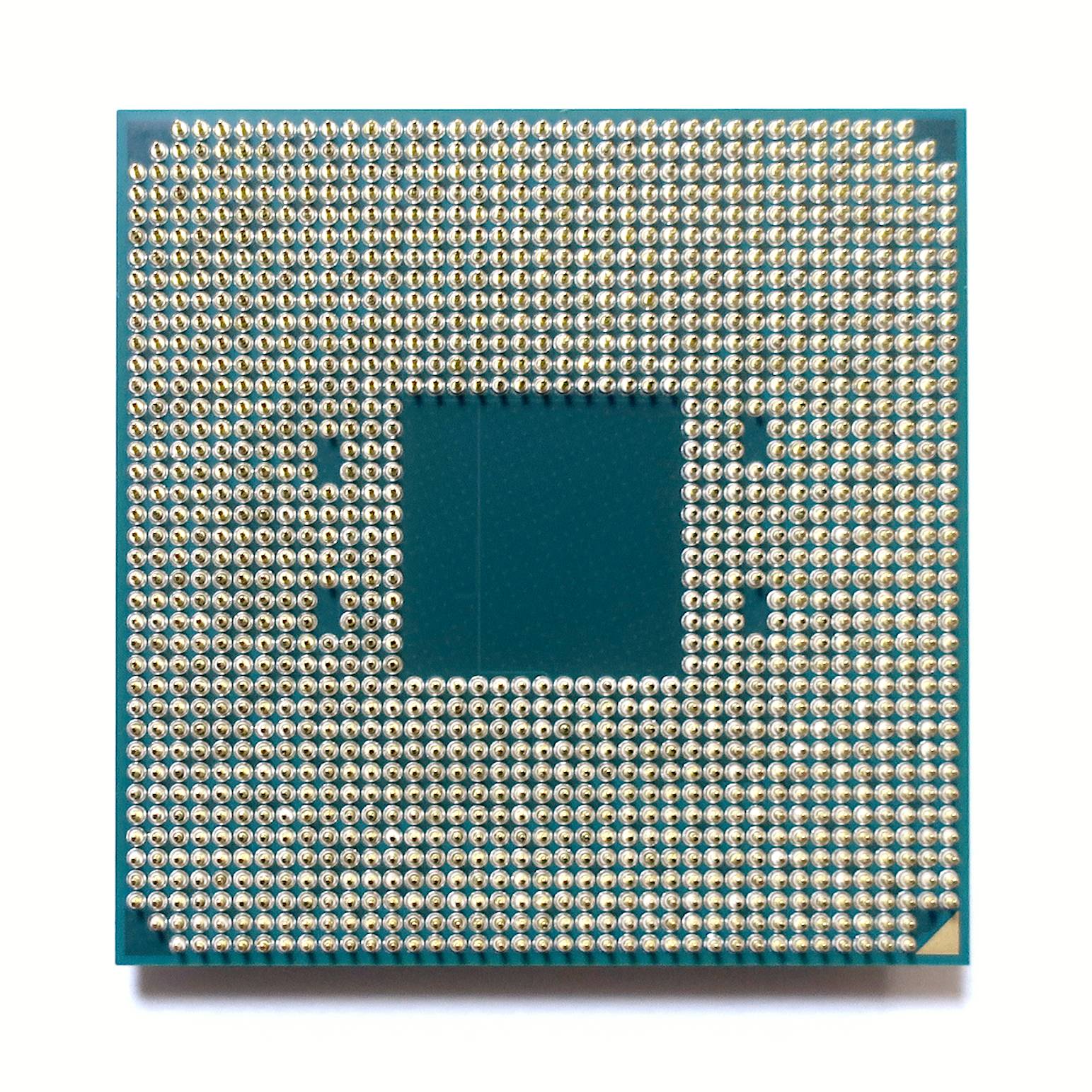
Packaging image: the selected Amazon product listing. Processor photograph below: Qurren on Wikimedia Commons, CC BY-SA 4.0, original file used without modification.
Related reading

The attractive part is what can stay
AMD specifies the AM4 socket and DDR4 memory. That is why I find the 5700X interesting for an existing desktop, rather than only for a list of new parts. A supported processor change may let the owner keep a useful motherboard and memory arrangement. I would start by identifying those exact parts and deciding whether they still fit the work.
I would then check the board maker’s processor support list, required firmware and update process. Sharing a socket does not complete that investigation. I want to know what needs to happen before the current CPU comes out. This is particularly important when the old processor is the easiest way to perform the required update.
The age of a platform is not enough to settle its usefulness. A computer that already has the right connections and sufficient memory may deserve a focused improvement. If the motherboard, memory and other major parts also need replacing, I would compare a newer platform instead. The reason to keep AM4 should come from the actual machine.
Eight cores give the recommendation a useful boundary
The manufacturer’s specification is eight cores and sixteen threads. I would consider that for a desktop used for development, everyday creative work and games, after looking at the actual applications. It is a meaningful amount of processing capacity to investigate without assuming that the most expensive CPU is the most sensible upgrade.
For development, I would look at the work that waits on the processor and the work that waits elsewhere. A parallel build, several running services and a slow download are different situations. I like the 5700X more when the owner can explain what the current machine struggles with. Buying by a familiar core-count slogan would give the recommendation too little direction.
I would also check memory use before choosing an upgrade. A system that repeatedly runs out of working space can remain frustrating after a processor change. The same applies to a project held back by its storage route. I prefer an upgrade budget that follows the limiting part of the task, even when that means the CPU purchase can wait.
Related reading

Cooling still needs a complete plan
AMD lists a 65W default TDP for the 5700X and no included cooling solution. I find the stated power category relevant when comparing the requirements of an AM4 upgrade. I would still check the chosen cooler’s guidance and its mounting hardware. A figure in the CPU specification does not establish the noise or temperature of the finished computer.
If reusing a cooler, I would check its condition and the case clearances as carefully as the processor support list. Retaining parts is useful when they remain appropriate. I would not count a cooler as a saving before confirming that it can actually serve the new configuration. That keeps the attractive headline upgrade price connected to a usable result.
My preference would be to begin with supported settings and the planned cooling arrangement. The 5700X is unlocked, according to AMD, but additional tuning is not what makes its upgrade argument appealing to me. I would first establish that the ordinary configuration does the intended job reliably.
Graphics is the detail I would check twice
AMD explicitly requires a discrete graphics card for this processor. I would pay particular attention to that if the current system uses integrated graphics. A motherboard can have display connectors while the planned CPU provides no integrated graphics path. I would confirm the complete display arrangement before ordering the upgrade.
That changes the value calculation for a desktop that needs a new graphics card as well. The processor may still be suitable, but the project is larger than a single replacement part. I would price the actual graphics and cooling requirements alongside it. A component that is a good fit in one existing computer can be a less convincing starting point in another.
Related reading


The distinction also helps avoid mixing models. A familiar Ryzen 7 number does not establish the same graphics capability, cache arrangement or compatibility requirements across the family. The exact 5700X name and boxed part number are the useful anchors for this recommendation.
Compare an upgrade with a fresh start
I would compare the Ryzen 9 5900XT when the existing AM4 machine has a clearly demonstrated need for more CPU threads. For a new AM5 system, I would consider the Ryzen 5 7600X route and include the motherboard and DDR5 memory. Those choices solve different problems; processor prices alone do not describe the difference.
The 5700X gets a positive recommendation from me when it preserves useful hardware and gives a well-defined task an appropriate processor. I like its focused AM4 upgrade role. I would move on when the surrounding machine needs so much replacement that keeping the platform no longer offers a worthwhile advantage.
What worked
AMD specifies eight Zen 3 cores, sixteen threads, AM4 and DDR4 for a clear upgrade role.
Selected model information keeps the boxed 5700X identity separate from similarly named processors.
What bothered me
A discrete graphics card and separate suitable cooler are required.
A shared socket name does not establish the board’s firmware support or the usefulness of the surrounding parts.
Who should not buy it
I would choose another platform when several major parts need replacing, or another processor when the actual work calls for a different core count.
Alternatives I would consider
AMD Ryzen 9 5900XT. I would compare its sixteen-core AM4 role when CPU threads are a clear recurring requirement. Read my AMD Ryzen 9 5900XT review.
AMD Ryzen 5 7600X. I would price a complete AM5 and DDR5 route when replacing the platform makes more sense. Read my AMD Ryzen 5 7600X review.
Evidence and sources
AMD supplies the exact boxed identity, documented specifications and launch date. The selected Amazon product identifies the offer. The buying recommendation weighs those details against the intended computer.
AMD: exact processor specifications, boxed product ID and launch date
Amazon US: exact selected processor offer
Qurren: original Ryzen 7 5700X photograph and CC BY-SA 4.0 licence
Features, compatibility and rated figures from the maker are manufacturer information. My opinions are identified in the review.
Conclusion
I would compare the full upgrade price with a fresh AM5 build. The value comes from retaining appropriate parts, rather than the CPU price alone.
Ryzen 7 5700X boxed processor, manufacturer part number 100-100000926WOF, selected standalone CPU offer
Amazon US · US
Check price and availability: Ryzen 7 5700X boxed processor, manufacturer part number 100-100000926WOF, selected standalone CPU offer at Amazon USAffiliate link. As an Amazon Associate I earn from qualifying purchases.
One email a week with practical Mac workflows, useful comparisons and honest tech recommendations.