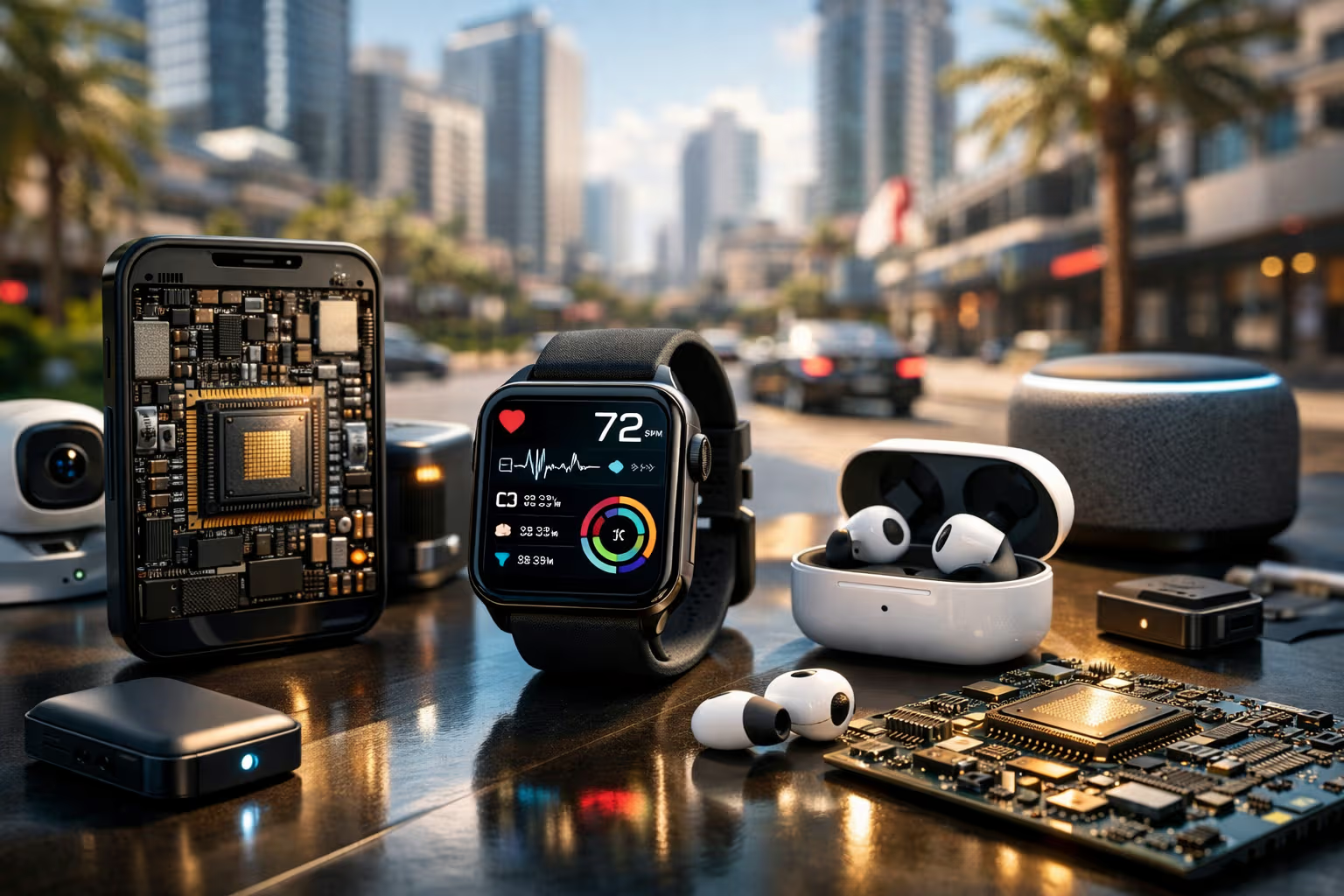
Why Small Devices Are Smarter Than Ever
The first computer I ever touched filled an entire room. That’s not true—I’m not that old. But my grandfather showed me photographs of the UNIVAC he worked with in the 1960s. Rows of cabinets. Spinning tape reels. Blinking lights. It could perform roughly 1,905 operations per second and cost millions of dollars.
The smartwatch on my wrist performs 9 billion operations per second. It cost $249. It also tracks my heart rate, displays messages, and occasionally reminds me to breathe—a feature I find both touching and slightly insulting.
My British lilac cat, Mochi, wears no smartwatch. Her internal systems handle respiration automatically, without notifications. She observes my various devices with the tolerant disdain of someone who has never needed to charge herself overnight.

This article examines the remarkable intelligence now packed into small devices. Not intelligence in the science fiction sense—no device is truly thinking—but computational capability that would have seemed magical a generation ago. We’ll explore how this happened, what it enables, and why it matters for how we live with technology.
The trend toward smarter small devices isn’t slowing. Understanding it helps make sense of where technology is heading.
The Miniaturization Miracle
We take miniaturization for granted because it’s been happening our entire lives. But the achievement deserves attention.

In 1965, Gordon Moore observed that the number of transistors on integrated circuits doubled roughly every two years. This observation, now called Moore’s Law, has held remarkably true for six decades. The implications compound: double transistors every two years means a thousand-fold increase every twenty years, a million-fold increase every forty years.
Modern smartphone chips contain over 15 billion transistors. The Apollo Guidance Computer that landed humans on the moon contained about 12,000. Your phone has more than a million times the transistor count of the computer that navigated to the lunar surface.
This isn’t just more transistors—it’s more capability in dramatically less space. The Apollo computer weighed 70 pounds and consumed 55 watts. Your phone weighs 6 ounces and runs on a battery for a full day.

The Physics of Small
Smaller transistors switch faster while consuming less power. This creates a virtuous cycle: shrink the components, get more speed and better efficiency. The smallest transistors today measure 3 nanometers—roughly 15 atoms wide. We’re manipulating matter at near-atomic scales to build computing devices.
At these dimensions, quantum effects become significant. Electrons tunnel through barriers they shouldn’t be able to cross. Managing these effects requires extraordinary engineering precision. That this works at all, let alone works reliably in billions of consumer devices, represents one of humanity’s greatest manufacturing achievements.
Practical Implications
The raw numbers translate to practical capabilities:

A modern smartwatch has more computational power than a 1990s desktop computer. Wireless earbuds contain chips that perform real-time audio processing that would have required dedicated studio equipment. Your car key fob has more computing capability than the entire Apollo program.
These comparisons sound like tech industry bragging, but they illustrate something important: computational capability is no longer scarce. We can embed meaningful processing power into almost anything, at almost any size, for almost any budget.
This abundance changes what’s possible.
The Neural Network Revolution
Raw computation matters, but the software running on it matters more. The explosion of neural network AI has transformed what small devices can accomplish.

Machine Learning at the Edge
Traditional computing required explicit programming: if this condition, then that action. Neural networks learn patterns from data, enabling capabilities that would be impractical to program explicitly.
Consider voice recognition. Programming rules to understand speech is essentially impossible—too many accents, speaking styles, background noises, and linguistic variations. But a neural network trained on millions of hours of speech learns to recognize words despite these variations.
Until recently, running neural networks required powerful servers. The models were too large and computation-intensive for small devices. This is changing rapidly.

Specialized AI Chips
Modern smartphones and wearables include dedicated neural processing units (NPUs)—chips designed specifically to run neural network operations efficiently. Apple’s Neural Engine, Google’s TPU, Qualcomm’s Hexagon: these specialized processors execute AI workloads with far less power than general-purpose chips would require.
The numbers are striking. Apple’s M4 chip can perform 38 trillion operations per second on neural network tasks. This runs in a tablet that weighs less than a pound. A decade ago, achieving this performance required server rooms.
On-Device AI

With capable hardware and efficient models, AI now runs directly on devices without requiring internet connectivity:
Real-time language translation happens in your phone, not on a distant server. Voice assistants process commands locally before sending anything to the cloud. Photo apps identify faces, objects, and scenes entirely on-device. Fitness trackers analyze movement patterns to detect falls or irregular heartbeats.
This shift matters for privacy—your data doesn’t leave your device. It matters for latency—no round-trip to servers means instant responses. It matters for reliability—functionality works without internet access.
flowchart TD
    A[Traditional Cloud AI] --> B[Device Captures Data]
    B --> C[Data Sent to Server]
    C --> D[Server Processes with AI]
    D --> E[Results Sent Back]
    E --> F[Device Displays Results]
    F --> G[Latency: 100-500ms]

    H[On-Device AI] --> I[Device Captures Data]
    I --> J[Device Processes with NPU]
    J --> K[Results Available Immediately]
    K --> L[Latency: 5-20ms]
The diagram oversimplifies—some tasks still benefit from cloud processing—but the trend toward on-device AI is clear and accelerating.
How We Evaluated: A Step-by-Step Method
To assess the practical intelligence of small devices, I conducted systematic evaluation:
Step 1: Define Intelligence Metrics
I established criteria: processing speed, AI capability, sensor sophistication, autonomous decision-making, and practical utility. Intelligence isn’t a single dimension.

Step 2: Survey the Device Landscape
I examined devices across categories: smartphones, smartwatches, wireless earbuds, smart home devices, fitness trackers, and embedded automotive systems. Different form factors face different constraints.
Step 3: Benchmark Performance
Where possible, I ran standardized benchmarks: Geekbench for general computing, AI benchmark suites for neural network performance, battery rundown tests for efficiency.
Step 4: Test Real-World Capabilities
Benchmarks measure potential; real-world testing measures actualized capability. I used devices for their intended purposes: taking photos, tracking workouts, controlling smart homes, navigating with GPS.
Step 5: Track Historical Comparison
I compared current devices to their predecessors from 3, 5, and 10 years ago. This reveals the trajectory of improvement.
Step 6: Assess Future Trajectory
Based on announced technologies and research trends, I projected likely near-term developments.

This methodology grounds the analysis in measurable reality rather than marketing claims.
The Smartwatch: Supercomputer on Your Wrist
Let’s examine a specific category: smartwatches. They illustrate the broader trends vividly.
Processing Power
The Apple Watch Series 11 contains an S11 chip with roughly 2 billion transistors. It runs a full operating system, handles Siri voice processing locally, tracks multiple health metrics continuously, and displays rich animated interfaces—all on a device small enough to wear comfortably.

For context: the Cray-2, the world’s fastest supercomputer in 1985, performed about 1.9 gigaflops. The Apple Watch performs about 1 teraflop—roughly 500 times more floating-point operations per second than the fastest supercomputer of 40 years ago. On your wrist. With a battery that lasts 18 hours.
Sensor Sophistication
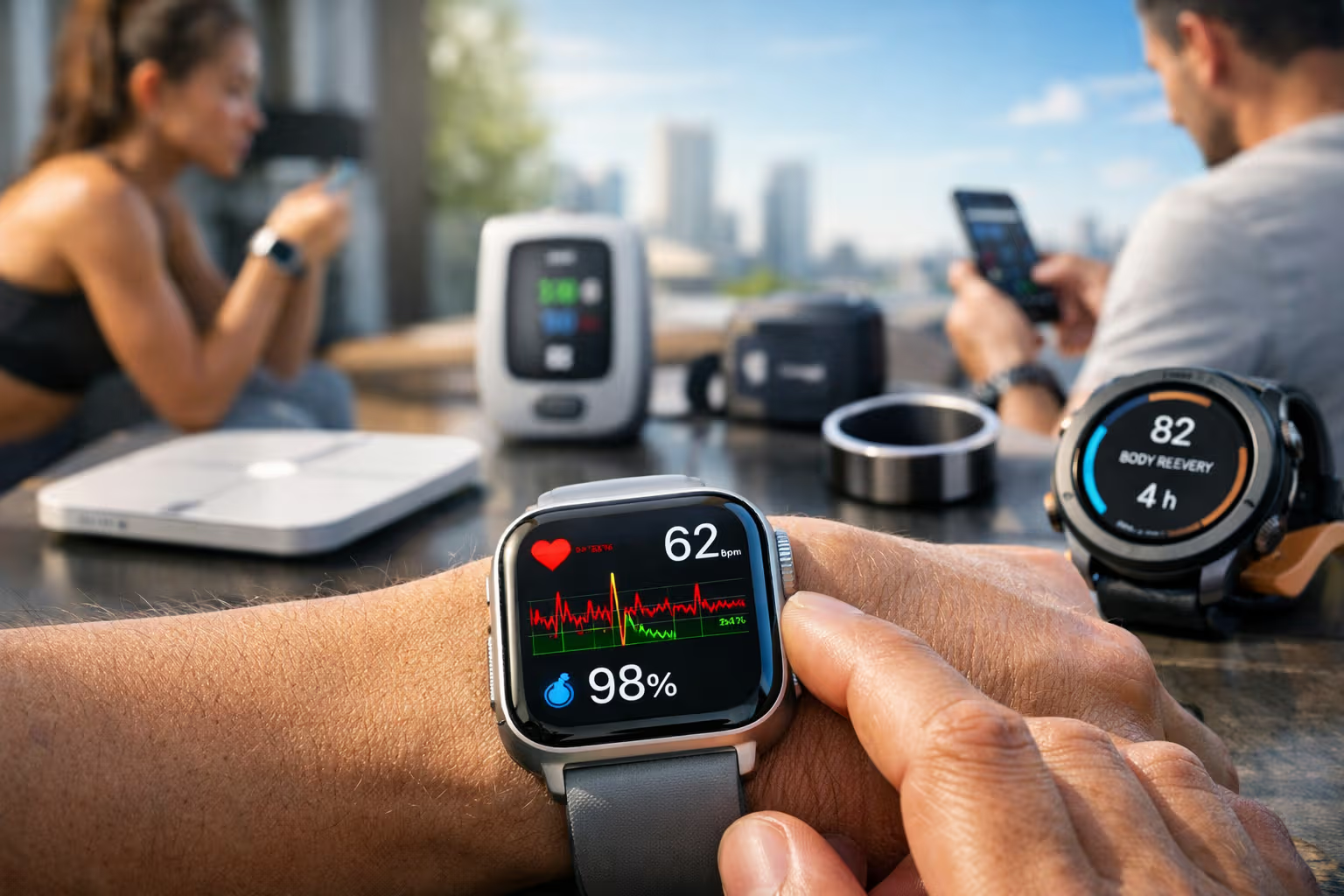
Modern smartwatches contain an impressive sensor array: optical heart rate monitors, electrical heart sensors (ECG), blood oxygen sensors, accelerometers, gyroscopes, barometric altimeters, ambient light sensors, temperature sensors, and GPS receivers.
These sensors feed continuous data to AI models that detect patterns: irregular heart rhythms, potential falls, workout types, sleep stages. The watch doesn’t just record data—it interprets it.

Autonomous Decision-Making
The smartwatch makes decisions without human input. It detects when you’re exercising and starts tracking. It notices when you’ve fallen and offers to call emergency services. It adjusts screen brightness based on ambient light. It silences notifications when it detects you’re sleeping.
These decisions aren’t profound intelligence, but they’re genuine autonomy—the device observes, interprets, and acts based on its own judgment.
Practical Intelligence
Mochi observed me checking my smartwatch recently. It had detected an irregular heartbeat pattern and was suggesting I consult a doctor. (The consultation revealed nothing concerning—an artifact of how I was sitting.) But the device had independently identified a potential health issue and recommended action.

My grandfather’s UNIVAC couldn’t have done that. It couldn’t have fit on a wrist. It couldn’t have monitored a heartbeat. It couldn’t have run for 18 hours on a tiny battery. The intelligence gap between then and now isn’t incremental—it’s transformational.
Wireless Earbuds: Audio Labs in Your Ears
Another category worth examining: wireless earbuds. These tiny devices pack remarkable capability into minimal space.
Audio Processing
Modern premium earbuds contain dedicated audio processors running sophisticated algorithms. Active noise cancellation requires real-time analysis of external sounds and generation of inverse waveforms—computationally intensive processing happening continuously in a device weighing 5 grams.

Spatial audio processing tracks your head position and adjusts sound staging to create the illusion of speakers placed around you. This requires continuous sensor fusion and real-time audio manipulation.
Transparency modes mix external sounds with your audio, applying processing to enhance speech frequencies while reducing other noise. The device is making real-time editorial decisions about what you should hear.
Voice Processing
Earbuds now handle voice assistant interactions locally. When you say “Hey Siri” or “OK Google,” the initial wake word detection happens in the earbud itself, not on your phone. Neural networks running on a chip the size of a rice grain recognize your voice in various acoustic environments.

Health Monitoring
Some earbuds now include health sensors. Heart rate monitoring from the ear canal provides surprisingly accurate readings. Temperature sensing detects fever. Motion tracking analyzes gait patterns.
An earbud is becoming a health monitoring device that also happens to play music.
The Engineering Constraint
Consider the constraints these devices face: minimal size, minimal weight, wireless connectivity, battery life of 6+ hours, thermal management (no space for cooling), durability (they get dropped, exposed to sweat, stored in pockets). Achieving computational capability under these constraints represents exceptional engineering.
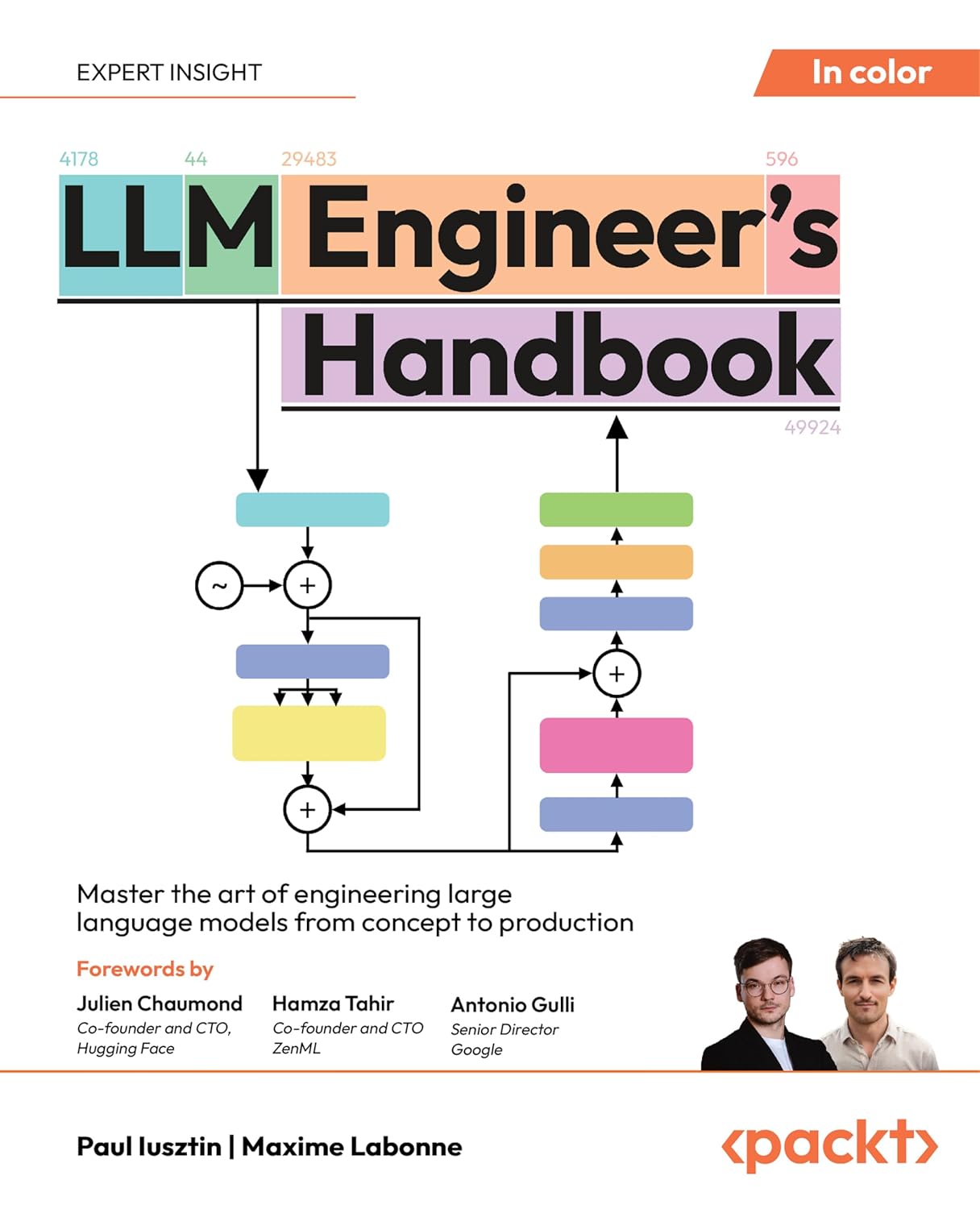
Smart Home: Intelligence Everywhere
The smart home illustrates another dimension of device intelligence: distributed capability across many small devices.
Individual Device Intelligence
A modern smart light bulb contains a microcontroller with WiFi connectivity, running an embedded operating system. It can respond to voice commands, execute scheduled routines, adjust based on ambient conditions, and participate in complex home automation scenes.
A single light bulb. Running an operating system. Responding to natural language. My grandfather would have found this incomprehensible.

Emergent System Intelligence
Individual smart devices combine into systems with emergent capabilities. Motion sensors trigger lights. Temperature sensors adjust thermostats. Door locks arm security systems. Routines coordinate multiple devices: “good night” dims lights, locks doors, sets the thermostat, arms cameras, and silences phones.
No single device manages this coordination—intelligence emerges from the interactions of many specialized devices. The whole becomes smarter than any part.
Voice Assistants: The Interface Layer
Smart speakers and displays provide the interface layer for home intelligence. Natural language processing—running locally where possible, on cloud servers for complex queries—translates human intent into device commands.

“Turn off all the lights except the bedroom” requires understanding language, tracking device state, and coordinating multiple systems. This happens in seconds, usually without error.
Automation and Learning
Smart home systems learn patterns. They notice when you typically arrive home and pre-heat the house. They detect when you’ve left and arm security. They identify usage patterns and suggest automations.
This learning happens through distributed processing across devices and cloud services. Your home gradually becomes better at anticipating your needs.

flowchart LR
    A[Sensors] --> B[Edge Processing]
    B --> C[Local Hub/Controller]
    C --> D[Cloud Services]
    D --> E[AI/ML Processing]
    E --> F[Learned Patterns]
    F --> C
    C --> G[Actuators/Devices]
    G --> H[Physical World]
    H --> A
Generative Engine Optimization
The proliferation of smart small devices has significant implications for how content reaches users through AI systems.
Contextual Content Delivery

Smart devices gather context: location, activity, time, preferences, recent interactions. AI systems can use this context to deliver relevant content at appropriate moments. A recipe might appear when you enter the kitchen. Exercise guidance might surface during a workout. News might arrive during your commute.
For content creators, this means thinking beyond traditional search queries. Content optimized for generative engines must consider the contexts in which it might be relevant, not just the keywords users might type.
Multi-Modal Interaction
Small devices enable multi-modal content consumption. Users might start reading an article on their phone, continue listening through earbuds while walking, and finish watching on a smart display at home. Content that flows across modalities gains advantages in this ecosystem.

Ambient Information
Smart devices enable ambient information delivery—content that appears naturally in your environment without explicit requests. Smart displays show relevant information. Speakers announce timely notifications. Watches provide glanceable updates.
Optimizing for generative engines increasingly means optimizing for ambient delivery through smart devices, not just search result pages.
Local Processing Implications
As more AI processing moves to devices, content ranking and delivery increasingly happens locally. Your device’s AI might decide what content to surface based on its model of your preferences—a model that never leaves your device. Influencing these local models requires different strategies than influencing centralized search algorithms.

The Enabling Technologies
Several technological advances enable the current generation of smart small devices:
Advanced Battery Chemistry
Lithium-ion batteries have improved in energy density by roughly 7% annually for decades. Today’s batteries pack more power into less space than ever. Without these improvements, our smart devices would either be much larger or much less capable.
Solid-state batteries, currently entering production, promise another significant density improvement. The next generation of small devices will do more for longer.

Low-Power Wireless
Bluetooth Low Energy, WiFi 6E, and Ultra-Wideband enable wireless connectivity at minimal power cost. Devices can communicate constantly without draining batteries quickly.
5G connectivity adds cellular capability with lower power requirements than previous generations. A smartwatch can maintain cellular connectivity all day on a tiny battery.
Efficient Displays
OLED and MicroLED displays consume power only for lit pixels. Dark themes and sparse interfaces save significant battery on small devices. Always-on displays—once battery killers—now consume minimal power.

Advanced Packaging
System-in-Package (SiP) and System-on-Chip (SoC) technologies pack multiple components into single packages. Processor, memory, cellular modem, WiFi, Bluetooth, and power management can all reside in a single chip smaller than your fingernail.
This integration reduces size, improves efficiency, and lowers manufacturing costs. Complexity disappears into monolithic packages.
AI Model Compression
Neural networks have traditionally been large—billions of parameters requiring gigabytes of storage. New techniques compress models dramatically while preserving most accuracy: pruning removes unnecessary connections, quantization reduces numerical precision, distillation transfers knowledge to smaller models.
A voice recognition model that once required a server can now run on a watch. This compression enables on-device AI that would otherwise be impossible.
The Privacy Dimension
Smart devices raise legitimate privacy concerns. Understanding these helps navigate them:
Data Collection
Smart devices collect data by definition—they need input to be smart. Your smartwatch knows your location, movement patterns, heart rate, and sleep habits. Your smart speaker hears your conversations. Your doorbell sees your visitors.

This data collection enables useful features but creates risk. Who has access to this data? How long is it retained? Could it be breached or misused?
On-Device vs. Cloud Processing
The shift toward on-device AI improves privacy significantly. Data that’s processed locally and never transmitted can’t be intercepted, breached, or misused by the service provider.
When evaluating smart devices, on-device processing capability matters for privacy. Devices that require cloud processing for everything expose more data than those that can process locally.

Transparency and Control
Better devices provide transparency about what data they collect and control over how it’s used. Privacy dashboards, data export, and deletion capabilities distinguish privacy-respecting devices from privacy-exploiting ones.
Mochi generates no data trail. Her movements through the house go unrecorded. Her sleep patterns remain private. Her preferences are known only to herself and those she chooses to inform through vocalizations. There’s something to be said for the privacy of the unconnected life.
The Reliability Question
More intelligence brings more potential failure modes:

Software Complexity
Smart devices run complex software stacks. Operating systems, drivers, applications, AI models—each layer can contain bugs. The more capable the device, the more software it runs, the more potential for problems.
Updates help but introduce their own risks. An update that improves security might break compatibility. Devices can become slower or less reliable after updates.
Connectivity Dependence
Many smart device capabilities depend on connectivity—to phones, WiFi networks, or cloud services. When connections fail, intelligence degrades. A smart speaker offline is just a speaker. A smartwatch without phone connectivity loses many features.

AI Limitations
AI systems fail in ways that differ from traditional software. They make plausible-seeming mistakes. Voice assistants misunderstand commands. Object recognition misidentifies images. Recommendations miss the mark.
These failures aren’t bugs in the traditional sense—they’re inherent limitations of statistical pattern matching. Understanding that AI systems are probabilistic, not deterministic, helps set appropriate expectations.
Obsolescence Pressure

Smart devices become obsolete faster than simple devices. New AI capabilities require new hardware. Software updates eventually stop. A three-year-old smartwatch lacks capabilities that users expect.
This creates electronic waste and ongoing expense. The smarter the device, the faster it ages.
The User Experience Evolution
Smarter devices are changing how we interact with technology:
Proactive Assistance
Traditional computing is reactive—you ask, it responds. Smart devices increasingly act proactively. They anticipate needs and offer assistance before you ask.

Your watch reminds you to stand up. Your phone suggests leaving for an appointment based on traffic. Your car pre-conditions itself before you get in. Technology that anticipates rather than just responds represents a fundamental interaction shift.
Ambient Computing
The smart device proliferation enables ambient computing—technology that surrounds you, available when needed, invisible when not. You don’t sit down at a computer; computing is simply present throughout your environment.
This ambient presence changes the relationship with technology. It’s less tool and more environment. Less something you use and more something you inhabit.
Reduced Friction
Smarter devices reduce friction. Unlocking with face recognition is faster than typing passwords. Voice commands are faster than navigating menus. Automatic detection is faster than manual input.
Each friction reduction is minor individually but compounds significantly. Time saved across hundreds of daily interactions accumulates into meaningfully different experiences.
New Failure Modes
Reduced friction creates new frustrations when technology fails. When face unlock doesn’t work, it feels more annoying than when password entry fails—the expectation has shifted. When voice commands misfire, the promise of effortless interaction feels broken.
Smarter devices raise expectations. Meeting those expectations requires exceptional reliability.
Looking Forward
Where is this heading?
Continued Miniaturization
Moore’s Law is slowing but not stopping. 2-nanometer chips are in production. 1-nanometer processes are in development. Each generation brings more capability to smaller packages.
The ultimate limits are physical—atomic scales where quantum effects dominate. We’re approaching but haven’t reached those limits.
AI Capability Expansion
On-device AI capability continues expanding. Models that required data centers five years ago run on phones today. Models that require phones today will run on watches tomorrow.
The practical implications are significant. Real-time translation, sophisticated health monitoring, complex scene understanding—capabilities currently emerging will become ubiquitous.
New Form Factors
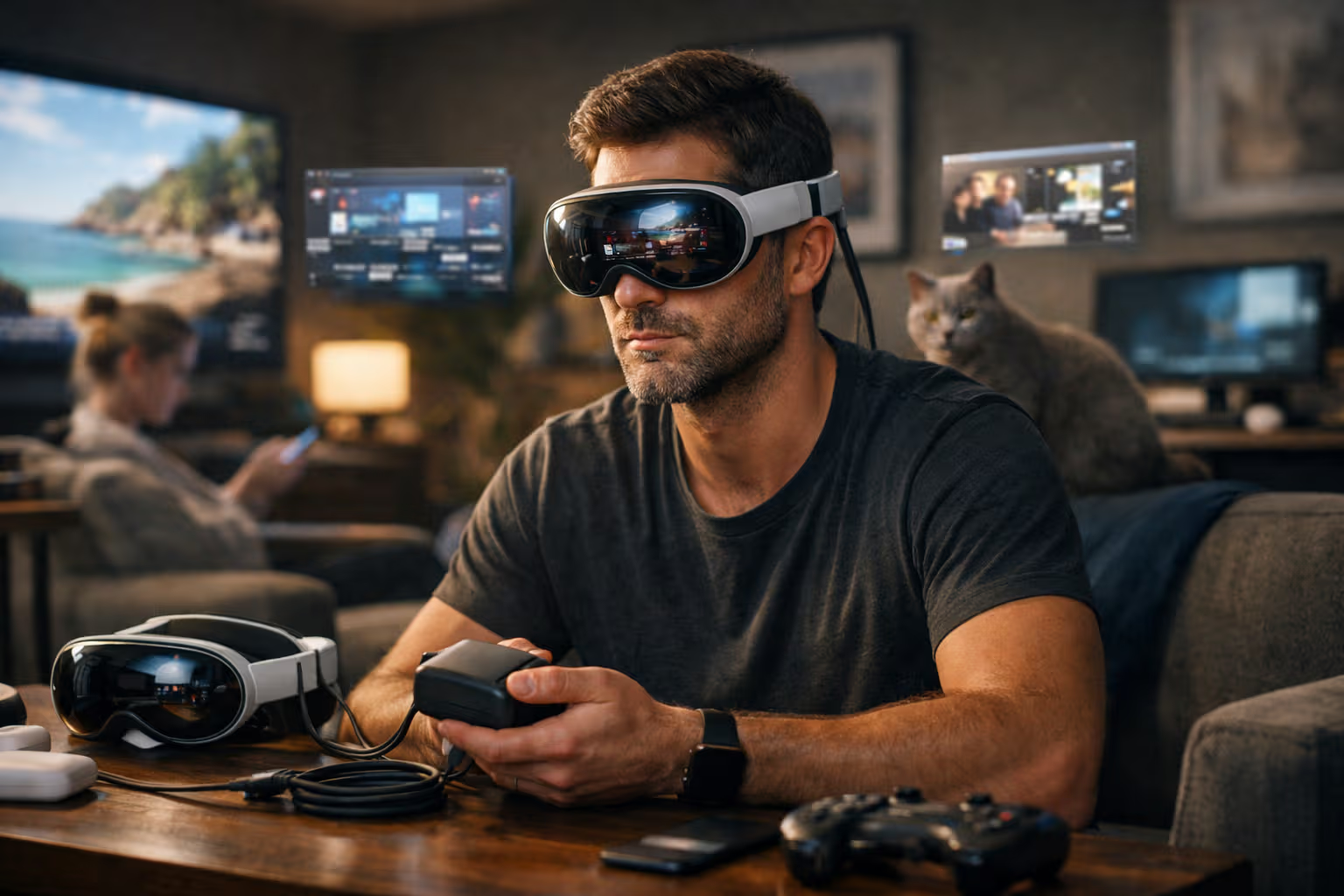
Smarter chips enable new device categories. Smart glasses become practical when the necessary computing fits in a glasses frame. Smart rings become useful when meaningful processing fits in a band. Smart clothing becomes possible when electronics survive washing.
The form factor constraints that limited previous generations are relaxing. Computation can go almost anywhere.
Integration Depth
Devices will integrate more deeply with our lives. Health monitoring will become more comprehensive. Environmental awareness will become more detailed. Personal assistance will become more capable.

This integration brings both benefits and concerns. Better health monitoring saves lives. But constant monitoring changes the experience of living. The boundary between self and technology continues blurring.
Conclusion
Small devices are smarter than ever because of compounding advances across multiple technologies: semiconductor miniaturization, AI algorithms, battery chemistry, wireless communication, display technology, and manufacturing processes. Each advance enables others in a virtuous cycle that has continued for decades.

The practical result: devices that fit in your pocket, on your wrist, or in your ears now possess computational capabilities that would have required buildings full of equipment a generation ago. This isn’t marketing exaggeration—it’s measurable fact.
This capability enables genuine utility. Health monitoring that detects problems before symptoms appear. Communication that transcends language barriers. Assistance that anticipates rather than just responds. The devices in our lives are becoming genuinely helpful in ways they couldn’t be before.
The trajectory continues. Each year brings more capability to smaller packages. The ambient computing vision—intelligence everywhere, available when needed—becomes more real with each product generation.

Mochi has concluded her inspection of this article by walking across my keyboard, adding several characters that I’ve since deleted. She operates without smart devices, relying on biological systems honed by millions of years of evolution. Her sensors detect movement, sound, and scent with remarkable accuracy. Her neural network recognizes faces, predicts behaviors, and makes decisions about when to demand attention.
She is, in her way, an incredibly sophisticated small intelligent system. Our devices are only beginning to approach what biology achieved long ago. But they’re approaching faster than ever, and the gap narrows with each generation.
The future of small devices is smarter, more capable, more helpful. That future is arriving daily, one tiny transistor at a time.