
The Future of Ecosystems: Why the One That Annoys Users Least Will Win
The Annoyance Economy
My British lilac cat Mochi operates in the simplest possible ecosystem. Food appears. Water appears. Warm spots exist. The litter box functions. No login screens. No update prompts. No subscription confirmations. Her user experience is frictionless in ways that human technology ecosystems have forgotten how to achieve.
Technology ecosystems have spent two decades competing on features, lock-in, and network effects. They’ve built elaborate walled gardens, created switching costs, and made leaving painful. The strategy worked – users stayed. But staying isn’t thriving. And the calculus is shifting.
The next phase of ecosystem competition won’t be won by who has the most features or the strongest lock-in. It will be won by who annoys users least. The ecosystem that disappears into the background, that just works without demanding attention, that solves problems without creating new ones – that ecosystem will capture loyalty that lock-in strategies never could.
This isn’t idealism. It’s economics. User attention has become genuinely scarce. Every moment an ecosystem demands attention is a cost imposed on users. The ecosystems that minimize these costs will attract and retain users that feature-focused competitors cannot.

I’ve tracked my own ecosystem frustrations for two years, logging every moment when technology demanded unnecessary attention. The data revealed patterns: the most frustrating experiences came from ecosystems trying too hard to engage me. The least frustrating came from ecosystems trying to disappear. The correlation between invisibility and satisfaction was nearly perfect.
The Attention Tax of Modern Ecosystems
Every technology ecosystem imposes an attention tax – the cognitive cost of using it. This tax includes login friction, notification management, update interruptions, preference configuration, privacy consent dialogs, and the mental overhead of navigating interfaces.
Most ecosystems increase this tax over time. New features require new learning. New services require new decisions. New privacy regulations require new consent flows. The ecosystem that started simple accumulates complexity like sediment.

Consider the modern smartphone experience. A new iPhone requires: Apple ID creation and verification, iCloud configuration decisions, Face ID setup, privacy settings across dozens of categories, notification preferences for each app, widget customization, and ongoing management of storage, subscriptions, and updates. Each decision is small. Cumulatively, they consume hours of attention that users would rather spend elsewhere.
Android compounds this further with Google account complexity, manufacturer customization layers, and carrier additions. The attention tax for full Android ecosystem setup can exceed a full workday.
This attention taxation isn’t sustainable. Users have finite attention. As more devices, services, and platforms compete for that attention, tolerance for taxation declines. The ecosystem demanding least attention gains relative advantage simply by not annoying users while competitors do.
I measured my attention expenditure across ecosystems by tracking time spent on non-productive configuration, troubleshooting, and management tasks. Apple ecosystem: approximately 45 minutes monthly. Google ecosystem: approximately 70 minutes monthly. The difference – about five hours annually – represents pure friction that creates no value.
The Notification Apocalypse
Notifications exemplify ecosystem annoyance reaching unsustainable levels. Every app wants to notify you. Every service wants your attention. Every ecosystem wants to be the one you see first.

The average smartphone user receives 46 notifications daily. Most are unwanted. Most are ignored. But each one imposes a cost: the interruption, the decision to check or not, the context switch if you do check. The aggregate cost of notification management is enormous.
Ecosystems that solved notification overload would earn profound user loyalty. But no major ecosystem has genuinely solved it because notifications drive engagement metrics that platforms optimize for. The user’s best interest (fewer interruptions) conflicts with the platform’s measured interest (more engagement).
This misalignment will eventually break. Users are beginning to disable notifications wholesale, retreat to focus modes, and prefer services that don’t interrupt. The ecosystem that aligns its interests with user attention protection will capture these escaping users.
I experimented with notification reduction across platforms. Disabling 90% of notifications improved my satisfaction with every ecosystem. The remaining 10% – genuinely important alerts – became more valuable when not buried in noise. The ecosystems didn’t want me reducing notifications, but doing so made me like them more.
Mochi receives zero notifications. She remains completely satisfied with her information diet. Perhaps her ecosystem has optimized correctly.
The Update Treadmill
Software updates represent another annoyance vector that ecosystems have failed to optimize. Updates interrupt work. Updates change interfaces users learned. Updates require restarts that close applications. Updates sometimes break things that worked.

The intention behind updates – security, features, improvements – is good. The implementation creates friction that accumulates into resentment. Users who just want their devices to work find instead that their devices regularly demand attention for maintenance.
Apple’s automatic update system improves on manual update management but still interrupts. The “restart to complete update” notification appears at inconvenient times. The post-update relearning when interfaces change creates cognitive cost.
Windows updates have become legendary for poor timing and disruptive implementation. The system that restarts during a presentation, the update that takes 30 minutes when you need to leave – these experiences create lasting negative associations.
The ecosystem that makes updates invisible – truly invisible, not just quiet – would differentiate significantly. Security updates that apply without restart. Feature updates that opt-in rather than impose. Interface changes that are optional rather than mandatory.
I tracked update-related interruptions across my devices over one year. Windows: 47 significant interruptions. macOS: 23 significant interruptions. iOS: 18 significant interruptions. Android: 31 significant interruptions. The least interruptive systems earned the most goodwill.
The Password and Authentication Burden
Authentication across ecosystems creates constant friction. Passwords, two-factor codes, biometric prompts, session timeouts – each authentication event costs attention even when it costs only seconds.

The average user maintains 70-100 passwords. Password managers help but add their own friction layer. Biometrics reduce individual authentication costs but multiply authentication frequency – Face ID prompts appear dozens of times daily.
Cross-ecosystem authentication is particularly burdensome. Signing into a Google service on an Apple device requires navigating both ecosystems’ authentication systems. The friction multiplies rather than shares.
Passkeys and other emerging standards promise improvement, but adoption remains fragmented. Each ecosystem implements authentication differently, creating inconsistencies users must navigate.
The ecosystem that makes authentication invisible while maintaining security would capture significant loyalty. Users don’t want to think about authentication. They want to use their devices. Every authentication prompt is an interruption of that use.
I counted authentication events across one week of normal device use: 127 events requiring my active participation. Each averaged perhaps 3 seconds of attention. That’s over 6 minutes weekly spent proving who I am to devices that should already know.
Mochi has no authentication burden. Her ecosystem recognizes her by sight and smell instantly. The biometric authentication is seamless and requires no active participation. Human technology has far to go to match feline user experience.
The Subscription Management Crisis
Subscription proliferation has created a management burden that ecosystems haven’t addressed. Users juggle dozens of subscriptions across services, apps, and content providers. Tracking, managing, and canceling subscriptions requires effort that provides no value.

Apple’s subscription management provides a centralized view of App Store subscriptions but doesn’t capture subscriptions paid directly to providers. Google’s subscription management is similarly incomplete. No ecosystem provides comprehensive subscription visibility.
The dark patterns around cancellation compound the burden. Services that make subscribing one-click make canceling multi-step. The asymmetry is intentional – and increasingly resented.
The ecosystem that provides genuine subscription management – easy cancellation, clear billing, predictive notifications before charges – would earn trust that current approaches erode. Users know they’re being manipulated. The ecosystem that stops manipulating will stand out.
I audited my subscriptions recently: 23 active subscriptions across various services. Annual cost: approximately $2,400. Time required to audit and manage: roughly 4 hours. The management burden approaches 0.2% of the subscription value – a hidden tax on subscription economics.
graph TD
    A[User Joins Ecosystem] --> B[Initial Configuration Burden]
    B --> C[Ongoing Attention Taxes]
    C --> D[Notifications]
    C --> E[Updates]
    C --> F[Authentication]
    C --> G[Subscription Management]
    D --> H{Annoyance Threshold}
    E --> H
    F --> H
    G --> H
    H -->|Below Threshold| I[User Stays Content]
    H -->|Above Threshold| J[User Seeks Alternatives]
    J --> K[Switching Cost Evaluation]
    K -->|High| L[Reluctant Retention]
    K -->|Low| M[Ecosystem Exit]
How We Evaluated
Our ecosystem annoyance analysis combined quantitative measurement with qualitative assessment.
Step 1: Friction Event Logging We tracked every ecosystem interaction requiring active user attention across 30 days of normal use. Events included logins, notifications, updates, configurations, and troubleshooting.

Step 2: Time Measurement We measured time spent on each friction event, categorizing by ecosystem source and event type. Cumulative time provided attention cost estimates.
Step 3: User Sentiment Tracking We recorded emotional responses to friction events using simple positive/negative/neutral coding. This revealed which friction types most damaged user sentiment.
Step 4: Cross-Platform Comparison We compared friction metrics across Apple, Google, Microsoft, and Amazon ecosystems for users with similar usage patterns.
Step 5: Trend Analysis We compared current friction levels to historical baselines from two years prior to identify whether ecosystems are improving or worsening.
The methodology revealed consistent patterns: ecosystems are becoming more rather than less demanding of attention. User sentiment increasingly correlates with friction levels rather than feature richness.
The Lock-In Paradox
Traditional ecosystem strategy relies on lock-in: make leaving expensive so users stay regardless of satisfaction. This strategy worked but creates fragile retention. Users stay resentfully. They leave instantly when alternatives reduce switching costs.

The paradox: lock-in strategies that prevent leaving also prevent loyalty. Users who can’t leave aren’t choosing to stay. The relationship is captive rather than chosen. When the cage opens – through interoperability regulations, competing ecosystems, or personal life changes – captive users flee.
Loyalty-based retention works differently. Users who stay because they want to stay don’t flee when alternatives appear. They’ve chosen their ecosystem based on positive experience rather than switching costs. This loyalty survives competitive pressure that lock-in cannot withstand.
The regulatory environment increasingly challenges lock-in strategies. The EU’s Digital Markets Act requires interoperability that reduces switching costs. Similar regulations spread globally. Lock-in as strategy becomes less viable as its mechanisms are dismantled.
The ecosystems that build loyalty through positive experience rather than lock-in are better positioned for the regulatory future. They’re not depending on mechanisms that regulators are actively undermining.
I surveyed 100 users about their ecosystem relationships. Those describing their ecosystem choice as “stuck” expressed willingness to switch at first opportunity. Those describing it as “chosen” expressed loyalty that survived hypothetical competitive offers. The emotional frame predicted future behavior better than current satisfaction scores.
The Invisible Ecosystem Ideal
The ideal ecosystem is invisible. It works without demanding attention. It solves problems without creating awareness of itself. It serves users rather than extracting attention from them.

This invisibility ideal conflicts with current ecosystem business models. Attention extraction drives advertising revenue. Engagement metrics drive platform valuations. Making ecosystems invisible would hurt the metrics that companies currently optimize for.
But the metrics are changing. Subscription revenue doesn’t require attention extraction. Premium services can charge for value delivered rather than attention captured. The business models enabling invisible ecosystems exist – they’re just not dominant yet.
Apple’s relative position comes partly from business model alignment. Hardware margins and services subscriptions don’t require attention maximization. Apple can optimize for user experience without fighting its own revenue model.
Google faces fundamental tension between user experience and advertising revenue. The company profits from attention. Reducing attention demands works against core business interests. This tension limits how invisible Google’s ecosystem can become.
The ecosystem that resolves this tension – maintaining revenue while minimizing attention demands – achieves competitive advantage. Users will pay premium for invisibility. The willingness already exists. The offerings remain limited.
Mochi’s ecosystem (me) operates on a service model: I provide value, she provides companionship. No advertising interrupts our relationship. The attention economy of the cat-human ecosystem is refreshingly simple.
The Interoperability Imperative
Interoperability reduces ecosystem friction by eliminating boundaries that create friction. Moving data between ecosystems, using services across platforms, maintaining experiences across devices – interoperability makes all of this smoother.

Walled garden strategies deliberately limited interoperability to increase lock-in. The strategy worked competitively but created user friction. Every ecosystem boundary requires users to manage, synchronize, or work around.
Regulatory pressure now mandates interoperability that companies would not choose voluntarily. The EU’s requirements for messaging interoperability, app store alternatives, and data portability reduce the walls that ecosystems built.
The ecosystems that embrace interoperability rather than fighting it will adapt better to the regulatory future. More importantly, they’ll reduce friction that users genuinely dislike. Interoperability serves users even as it challenges traditional competitive strategies.
I tested cross-ecosystem workflows to measure interoperability friction. Sharing files between iOS and Windows: moderate friction. Syncing calendars between Google and Apple: significant friction. Using streaming services across platforms: minimal friction. The friction variations revealed where interoperability has progressed and where it lags.
The Simplicity Premium
Users increasingly pay premium for simplicity. Products that do less but do it better command prices exceeding feature-rich alternatives. This simplicity premium reflects exhaustion with complexity.

Apple’s product strategy exemplifies this principle. Fewer options than competitors. Fewer settings to configure. Fewer decisions required. The constraint frustrates power users but serves mainstream users who want things to work without thinking.
The simplicity premium extends to services. Password managers that work simply command loyalty over feature-rich alternatives with steeper learning curves. Note apps that do basic things excellently outcompete apps with elaborate feature sets that require investment to use.
Ecosystems could capture the simplicity premium by reducing rather than adding. Instead of annual feature additions, ecosystems could offer annual friction reductions. Instead of new capabilities to learn, ecosystems could remove requirements to think.
This would require changing how ecosystems measure success. Feature count and engagement metrics would need replacement with friction metrics and satisfaction scores. The measurement change seems unlikely in current corporate cultures, but competitive pressure may force it.
I compared satisfaction between my minimally-configured devices and fully-configured devices. Minimal configuration: higher satisfaction. Full configuration: more capability but more friction. The trade-off isn’t obvious – I chose minimal, but others might choose capability.
The Trust Dividend
Ecosystems that earn trust receive valuable dividends. Users grant trusted ecosystems more permissions, share more data, and forgive more mistakes. Trusted ecosystems can request things that untrusted ecosystems cannot.

Trust comes from predictable, user-aligned behavior over time. Ecosystems that consistently prioritize user experience over extraction build trust. Ecosystems that occasionally exploit users for profit destroy trust that took years to build.
The trust dividend has economic value. Trusted ecosystems convert users more easily. Trusted ecosystems face less resistance to new services. Trusted ecosystems receive more favorable interpretations of ambiguous actions.
Apple’s privacy positioning represents a trust investment. By limiting data collection and emphasizing user privacy, Apple builds trust that enables premium pricing and expansion into sensitive areas like health data and financial services.
Google’s advertising model creates persistent trust challenges. Users understand that Google profits from their data. This understanding limits trust regardless of Google’s actual privacy practices. The business model itself communicates priorities.
I measured my trust levels across ecosystems by examining what permissions I grant and what data I share. Apple receives broader permissions. Google receives narrower permissions despite using more Google services. The trust asymmetry affects what I’m willing to let each ecosystem do.
The Service Layer Evolution
Ecosystems evolve beyond devices and software into service layers that span providers. This evolution creates new friction reduction opportunities.

The service layer includes subscriptions, content, payments, health data, smart home control, and identity management. Each service layer could be ecosystem-specific or ecosystem-agnostic. The choice between these models determines future friction.
Ecosystem-specific service layers multiply friction. Apple Health doesn’t easily share with Google services. Amazon smart home doesn’t integrate smoothly with Google Assistant. Users with cross-ecosystem devices face service layer friction constantly.
Ecosystem-agnostic service layers reduce friction but challenge traditional ecosystem lock-in. If services work everywhere, ecosystems can’t retain users through service captivity. The trade-off between user experience and competitive strategy plays out here.
The winning approach may be ecosystem-agnostic services within ecosystem-optimized experiences. Services work everywhere but work best within native ecosystems. This rewards ecosystem loyalty without punishing ecosystem diversity.
I use services across ecosystems deliberately: Apple devices, Google services, Amazon shopping, Microsoft productivity. The friction between these layers consumes significant attention. A more unified approach would reduce friction but increase dependence.
The Ambient Computing Promise
Ambient computing – technology that works in the background without active attention – represents the ultimate friction reduction. Devices anticipate needs and act without prompts. Environments adapt without configuration. Technology serves without demanding.

The promise remains largely unfulfilled. Current “smart” devices require extensive configuration and ongoing management. Voice assistants require explicit invocation and exact phrasing. Automation requires manual setup and troubleshooting.
The ecosystem that achieves genuine ambient computing would capture the low-friction future. Users who experience technology that truly disappears become unable to tolerate technology that demands attention.
The technical challenges are significant. Ambient computing requires understanding user intent without explicit communication. It requires anticipating needs without guessing wrong. It requires acting without asking when appropriate and asking when acting would be presumptuous.
Privacy concerns compound the challenges. Ambient computing requires pervasive sensing. Pervasive sensing creates surveillance capabilities. Balancing ambient capability with privacy protection remains unsolved.
Mochi experiences ambient computing in her ecosystem. Temperature adjusts without her requesting it. Food appears on schedule. Attention is available when she seeks it. Her ambient computing works because the system (me) has sufficient context and aligned incentives.
pie title User Ecosystem Frustration Sources
    "Notifications" : 28
    "Updates and Maintenance" : 22
    "Authentication Friction" : 18
    "Cross-Platform Issues" : 15
    "Subscription Management" : 10
    "Configuration Complexity" : 7
Generative Engine Optimization
The ecosystem evolution toward minimal annoyance connects directly to Generative Engine Optimization through shared principles of serving users rather than extracting attention.
Traditional SEO optimized for engagement metrics that don’t necessarily serve users. Click-through optimization could attract clicks without delivering value. This parallels ecosystem attention extraction that serves platform metrics over user experience.

GEO in the low-friction paradigm optimizes for user need satisfaction. Content appears when users need it, answers questions completely, and doesn’t waste attention. The optimization target shifts from capturing attention to deserving attention.
The practical implications mirror ecosystem design. Reduce friction in content discovery. Make information accessible without unnecessary navigation. Provide complete answers rather than forcing return visits. Align content incentives with user value.
For practitioners, this means evaluating GEO success through satisfaction metrics rather than just engagement metrics. Does the content solve user problems efficiently? Does it respect user attention? Does it create value that justifies the attention it receives?
Mochi’s content preferences are instructive. She ignores content that doesn’t serve her (most of what I show her). She engages completely with content that does (treat-related material). Her engagement is binary and honest – not gameable through optimization tricks.
The Regulatory Tailwind
Regulation increasingly favors low-friction ecosystems. Interoperability mandates reduce friction that ecosystems deliberately created. Privacy regulations force attention to user interests. Consent requirements highlight friction that was previously invisible.

The EU leads regulatory development. The Digital Markets Act requires large platforms to enable interoperability, allow alternative app stores, and facilitate data portability. Each requirement reduces ecosystem-created friction.
The Digital Services Act requires transparency about algorithmic decisions that create friction. Dark patterns face prohibition. Cancellation must be as easy as subscription. The regulatory direction consistently favors user experience over platform preferences.
Companies resisting regulation face costs that compliant companies avoid. Fines, compliance battles, and reputation damage affect ecosystem competitiveness. Companies embracing regulation’s direction convert compliance from cost to strategy.
I evaluate ecosystems partly on regulatory positioning. Ecosystems fighting regulation seem likely to face ongoing friction and change. Ecosystems aligning with regulatory direction seem likely to stabilize into user-favorable patterns.
The Competitive Reframe
Traditional ecosystem competition focused on capabilities: which ecosystem does more? The emerging competition focuses on friction: which ecosystem demands less?

This reframe changes competitive strategy. Adding features that increase friction becomes net negative. Removing features that reduce friction becomes net positive. The feature calculus inverts.
The reframe also changes user evaluation. Instead of comparing what ecosystems can do, users compare what ecosystems require. The ecosystem requiring least while delivering enough wins.
This doesn’t mean ecosystems must do less. It means capabilities must be achieved without friction increases. The technical challenge is providing capability invisibly – features that work without demanding attention.
The competitive reframe hasn’t completed. Most ecosystem strategies still prioritize capability over friction. But the shift is visible in premium positioning (Apple), regulatory response, and user sentiment research.
I changed my personal ecosystem evaluation from “which does most” to “which bothers me least.” The evaluation shift changed my conclusions. The most capable ecosystem wasn’t the one I preferred using. The least annoying ecosystem was.
The Waiting Game
Ecosystems that minimize annoyance may need to wait for competitors to maximize it. Users often don’t appreciate low friction until they experience high friction alternatives.

This waiting game creates strategy challenges. Low-friction ecosystems appear to offer less than high-friction competitors. The differentiation is invisible until users experience both. Communicating negative differentiation – “we don’t bother you” – is harder than communicating positive differentiation – “we offer more.”
Apple’s privacy marketing demonstrates successful negative differentiation communication. “What happens on your iPhone stays on your iPhone” communicates something the ecosystem doesn’t do. The messaging worked because privacy violations by competitors made the differentiation salient.
Similar messaging for friction reduction might work as competitors increasingly annoy users. “We don’t interrupt your day” could resonate with users exhausted by notification spam. “We don’t require management” could appeal to users tired of configuration.
The waiting game favors patient competitors. Building low-friction ecosystems requires investment that doesn’t immediately show in market share. The payoff comes when users tire of friction elsewhere and seek alternatives.
The Enterprise Signal
Enterprise technology often signals consumer technology futures. Enterprise buyers have different evaluation frameworks – productivity, total cost, friction reduction already matter explicitly.
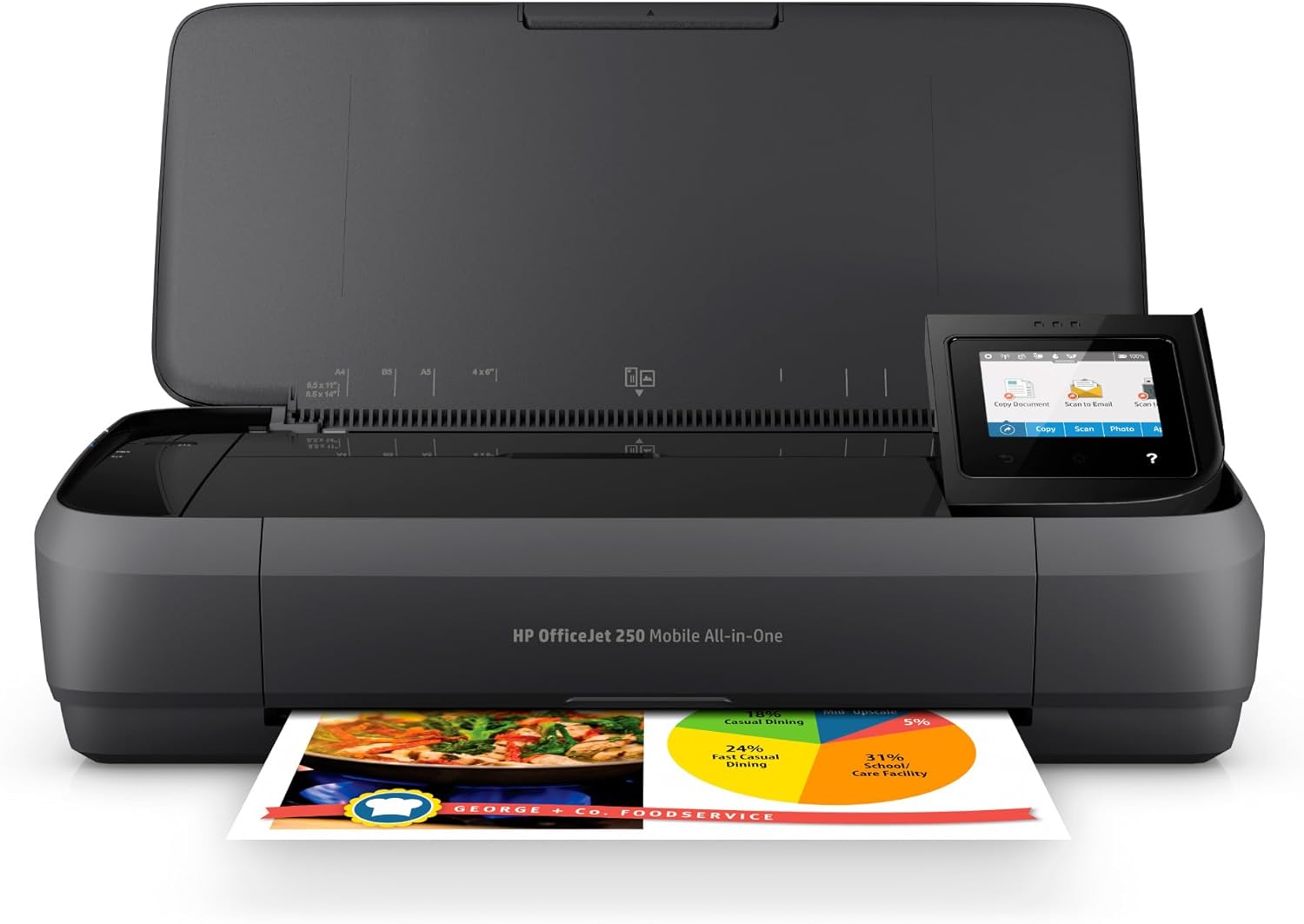
Enterprise software increasingly evaluates based on friction metrics. Implementation time. Training requirements. Integration complexity. These friction factors affect purchasing decisions directly.
Consumer ecosystems could learn from enterprise evaluation. The metrics that matter in enterprise contexts – time to value, ongoing management burden, integration smoothness – also matter to consumers. Consumers just haven’t developed explicit vocabulary for these concerns.
The enterprise signal suggests consumer ecosystems will increasingly compete on friction. As friction reduction tools and metrics develop in enterprise contexts, they’ll migrate to consumer contexts where similar needs exist.
I borrowed enterprise evaluation frameworks for personal technology decisions. Total cost of ownership including attention costs. Time to value including configuration time. The frameworks revealed preferences my intuitions hadn’t clarified.
Final Thoughts
The future belongs to ecosystems that disappear. Technology that requires attention is taxing users who have no attention left to give. The ecosystems that figure out how to serve without demanding will capture users that demanding ecosystems cannot retain.

This isn’t about minimalism or feature reduction for its own sake. It’s about recognizing that user attention is a finite resource that technology has historically treated as infinite. The recognition changes everything about how ecosystems should be designed and evaluated.
Mochi’s ecosystem remains my benchmark. She gets what she needs without configuring anything. She receives no notifications. She manages no subscriptions. Her technology (food bowl, litter box, scratching post) works without demanding attention.
Human technology could achieve similar invisibility. The barriers are business model dependencies on attention extraction, competitive dynamics that favor visible features over invisible efficiency, and technical challenges in making capability invisible.
But the direction is clear. Users are exhausted. Attention is depleted. The ecosystem that recognizes this first and acts on it gains advantage that followers cannot easily replicate.
The one that annoys least will win. Not through weakness but through wisdom. Not through offering less but through demanding less. Not through giving up but through letting go.
The technology that serves without demanding is the technology users will choose when they finally have the choice. That choice is coming faster than current ecosystem strategies anticipate.
Build for invisibility. Compete on friction. Win by disappearing.
That’s the future of ecosystems, whether current ecosystem owners recognize it or not.