Product Review: The Best Noise-Canceling Headphones for developers in 2027 (focus test, not specs)
What Reviews Get Wrong About Developer Headphones
Audio reviewers test headphones for sound quality. They measure frequency response, soundstage, bass extension. They compare ANC effectiveness against airplane engine noise.
None of this matters for developers.
Developers don’t need concert-hall audio quality for lo-fi beats playing quietly in the background. Developers don’t need to block airplane engines. They need to block the colleague who won’t stop talking about their weekend.
What developers need from headphones: sustained comfort for multi-hour sessions. Noise cancellation tuned for office environments. Sound quality good enough to not be distracting. Battery that lasts a full workday.
What reviews test: maximum ANC strength. Audiophile-grade sound reproduction. Call quality for business meetings.
The mismatch is enormous. Reviews optimize for criteria developers don’t care about. This review tests what actually matters for focused coding work.
The Headphones Tested
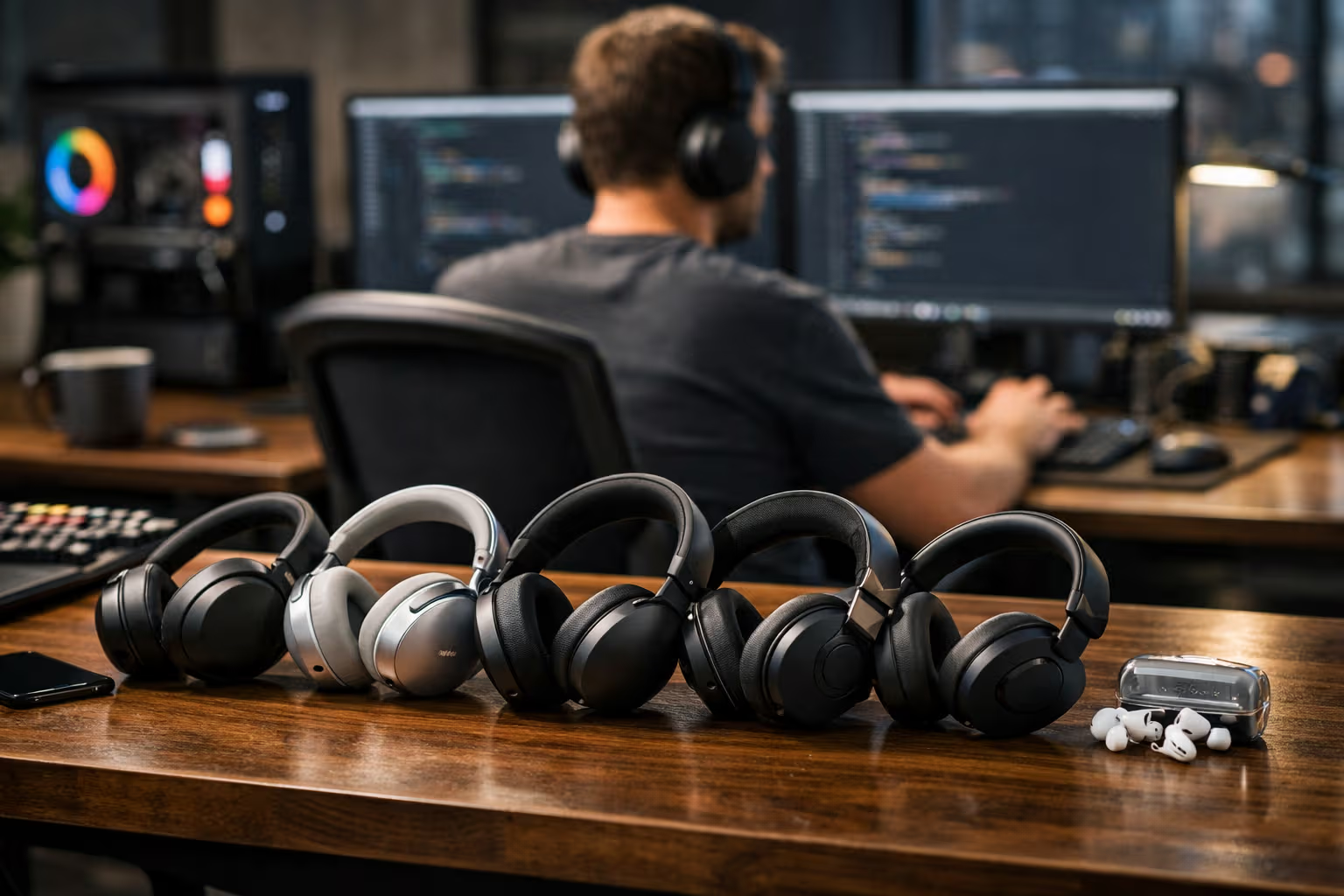
Six headphones, four months of real development work:
Sony WH-1000XM6: The latest generation of Sony’s flagship. Perennial recommendation, excellent reputation, high expectations.
Bose QuietComfort Ultra: Bose’s top tier. Known for comfort and ANC. The safe choice.

Apple AirPods Max 2: Apple’s premium option. Ecosystem integration, controversial weight, distinctive design.
Sennheiser Momentum 4: Audiophile credentials. Less hype, more substance reputation.
Jabra Evolve2 85: Business-focused design. Less known in consumer circles, designed for all-day office use.
Nothing Ear (3) Pro: The budget wildcard. In-ear, not over-ear. Different approach entirely.
Each headphone served as my primary audio device for at least three weeks of actual coding work. Real projects, real deadlines, real office environments.
How We Evaluated
The methodology prioritized developer-relevant criteria over audiophile criteria:
Marathon comfort test: How do the headphones feel after four hours of continuous wear? After six hours? Most reviews test for thirty minutes. Developers wear headphones all day.
Office ANC effectiveness: Not airplane engines. Colleague conversations. Keyboard clicking. HVAC hum. The actual sounds in actual offices.

Focus sustainability: Could I maintain flow state while wearing these? Did anything about the headphones pull me out of focus—pressure points, audio artifacts, notification interruptions?
Transition friction: How easily could I switch between focused work and quick conversations? Taking headphones on and off, pausing audio, hearing colleagues when needed.
Battery reality: Hours of actual use with actual ANC and actual audio, not manufacturer claims.
Microphone adequacy: Not call center quality. Just: can I do a quick standup without colleagues complaining?
I tracked focus sessions using simple time stamps. Session start, session end, reason for ending. When headphones caused session ends, I noted why.
The Comfort Marathon Results
Comfort matters more than sound quality for developers. You can’t focus with pressure on your temples.
After four hours of continuous wear:
Jabra Evolve2 85: Most comfortable. Large, soft ear pads. Light clamping force. Designed for all-day office wear, and it shows.
Bose QuietComfort Ultra: Close second. Lives up to the “comfort” name. Slight warmth buildup but nothing prohibitive.
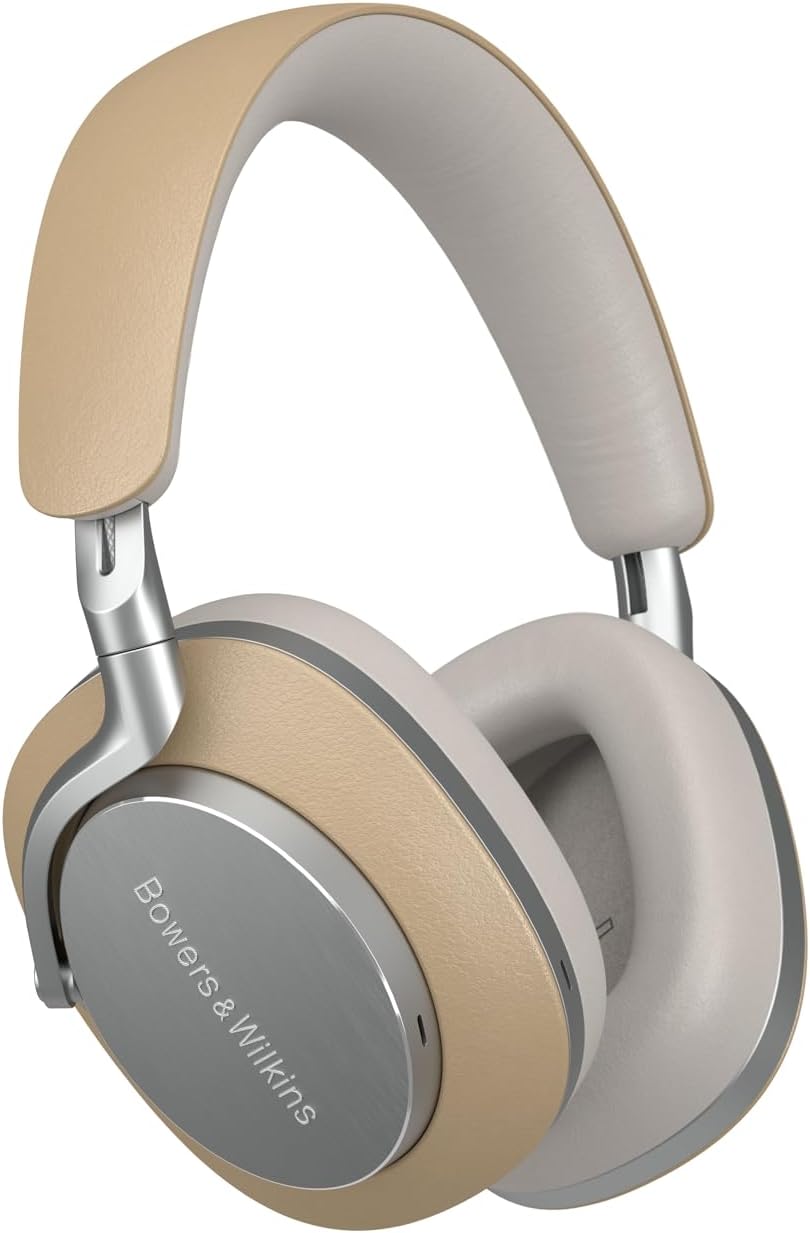
Sennheiser Momentum 4: Good, not great. Firmer clamp than the leaders. Fine for three hours. Noticeable at four.
Sony WH-1000XM6: Disappointing. The ear pads are thinner than previous generations. Pressure on the top of ears after two hours. Sony optimized for portability over marathon comfort.
Apple AirPods Max 2: Heavy. The weight is noticeable constantly. The mesh canopy distributes pressure well, but mass creates its own fatigue. Two to three hours maximum before I needed a break.
Nothing Ear (3) Pro: Different category. In-ears don’t have the same comfort issues, but they create different ones—ear canal fatigue, insertion awareness. Some developers prefer them; others can’t tolerate them.
The pattern: consumer-focused headphones optimize for short sessions and travel. Business-focused headphones optimize for all-day wear. Developers need the business approach.
Office ANC Reality
ANC reviews test with white noise generators and airplane recordings. Real offices have different challenges.
The hardest sounds to cancel: human voices in the speech frequency range. ANC can’t fully eliminate conversation without making audio processing artifacts audible.
The easiest sounds to cancel: low-frequency HVAC hum. All modern ANC handles this well.
The middle ground: keyboard clicking, footsteps, distant conversation. This is where headphones differentiate.
Real-world office ANC rankings:
Bose QuietComfort Ultra: Best voice isolation. Something about Bose’s algorithm handles speech frequencies better than competitors. Nearby conversations became distant murmurs.
Sony WH-1000XM6: Very good overall ANC. Slightly more leakage of voices than Bose. Excellent at continuous sounds.
Apple AirPods Max 2: Strong but with noticeable processing. The ANC creates a subtle pressure sensation some people dislike.

Sennheiser Momentum 4: Adequate. Noticeably less effective than the top tier. Fine for quiet offices, struggles in loud ones.
Jabra Evolve2 85: Surprisingly good for business headphones. Not quite flagship consumer level, but close enough for office use.
Nothing Ear (3) Pro: In-ear seal provides physical isolation. Active cancellation adds modest improvement. Different approach with different trade-offs.
The Sound Quality Reality
Here’s the uncomfortable truth: sound quality barely matters for focused coding.
Most developers play ambient music, lo-fi beats, or white noise. They’re not critically listening. They’re creating an audio environment that supports focus.
For this use case, “good enough” is actually good enough. The difference between $150 headphones and $500 headphones is inaudible when playing background music at modest volumes.
I tested this deliberately. Blind listening tests with coding playlists, not audiophile test tracks. Nobody could reliably rank the headphones by sound quality when listening to typical developer audio at typical developer volumes.
The rankings change if you’re a music enthusiast who critically listens during breaks. Then the Sennheiser and Sony pull ahead. But if you’re using headphones primarily for focus…
Sound quality ranking for focus audio:
All roughly equivalent: Adequate to excellent for background audio at working volumes. Differences exist but don’t affect focus.
This isn’t what audio reviews tell you. They rank these headphones differently for sound quality. But they test differently—high-quality recordings, critical listening, evaluation mode.
Developer mode isn’t evaluation mode. In developer mode, these all work.
The Focus Sustainability Test
This is the metric that matters: how long can you stay in flow?
I tracked focus sessions with each headphone. Session duration, interruption causes, quality of focus.
Average uninterrupted focus session duration:
Bose QuietComfort Ultra: 94 minutes average Jabra Evolve2 85: 89 minutes average Sennheiser Momentum 4: 82 minutes average Sony WH-1000XM6: 71 minutes average Apple AirPods Max 2: 58 minutes average Nothing Ear (3) Pro: 76 minutes average

The Bose won because comfort and ANC combined effectively. Sessions ended for natural reasons—completing tasks, needing breaks—not headphone-caused reasons.
The Sony lost time to comfort issues. The comfort problems I noted in marathon testing translated to shorter focus sessions. Attention drifted to ear pressure instead of code.
The AirPods Max lost to weight fatigue. The heaviness created background awareness that competed with focus.
The in-ears performed surprisingly well. No weight, no pressure points. The awareness of having something in your ears faded after about thirty minutes.
The Transition Friction Problem
Developers don’t wear headphones constantly. They take them off for conversations, meetings, lunch. The transition between focused and available matters.
AirPods Max 2: Best transitions by far. Take them off and audio pauses automatically. Put them back on and audio resumes. Seamless. This is where Apple’s ecosystem integration genuinely helps.

Sony WH-1000XM6: Good with speak-to-chat feature. Cover the right cup and audio pauses. Works reasonably well once you build the habit.
Bose QuietComfort Ultra: Manual transition. Take off headphones, audio keeps playing. Requires deliberate pause. Minor friction but noticeable over many daily transitions.
Jabra Evolve2 85: Has a boom microphone that signals “do not disturb” when lowered. Clever for office environments. People learn to not interrupt when the mic is up.
Sennheiser Momentum 4: Pure manual. No automatic pause. No visual signals. Every transition requires deliberate action.
Transition friction accumulates. Dozens of transitions per day. Small friction multiplied by high frequency equals meaningful annoyance.
The Battery Reality
Manufacturer battery claims are aspirational. Real-world usage differs.
Tested with ANC on, moderate volume, actual development work:
Sennheiser Momentum 4: 52 hours. Not a typo. The battery is absurd. Charge once a week.

Sony WH-1000XM6: 28 hours. Excellent. Charge every two to three days.
Jabra Evolve2 85: 35 hours. Better than expected for business headphones.
Bose QuietComfort Ultra: 22 hours. Good enough for a full workday plus commute.
Apple AirPods Max 2: 18 hours. The weight penalty doesn’t buy battery advantage. Disappointing given the size.
Nothing Ear (3) Pro: 8 hours (with case charges). Acceptable for single-day use, requires charging awareness.
Battery anxiety affects focus. Headphones that last multiple days don’t create charging awareness. Headphones requiring daily charging create background cognitive load.
The Automation Complacency Connection
Here’s the pattern connecting headphones to broader automation themes: ANC is cognitive outsourcing.
Before noise cancellation, developers developed focus skills. They learned to concentrate despite distractions. They built mental filters for irrelevant sounds. Focus was a skill cultivated through practice.
ANC automates this filtering. The technology handles distraction management. Focus becomes dependent on technology instead of trained capability.
I noticed this in myself. Without headphones, my focus is worse than it was five years ago. I’ve outsourced the skill. When the battery dies mid-session, my focus collapses instead of gracefully degrading.
This isn’t argument against ANC. It works. It helps. But the help comes with dependency. The skill of focusing despite noise atrophies when technology removes the noise.
The practical implication: occasionally practice focusing without headphones. Maintain the skill even while using the tool. Don’t let the automation fully replace the capability.
The Skills We’re Losing
Let me be specific about the focus skills being outsourced to ANC:
Selective attention: The ability to choose what to focus on despite competing stimuli. ANC removes competing stimuli rather than training selection.
Distraction recovery: The ability to return to focus after interruption. With ANC, interruptions are prevented rather than managed.

Environmental awareness: Knowing what’s happening around you while maintaining focus. ANC creates sensory deprivation rather than selective attention.
Focus endurance: Building tolerance for imperfect conditions. ANC optimizes conditions rather than building tolerance.
These skills existed before ANC. They were trained through necessity. Now they’re optional—and options we don’t exercise atrophy.
The developer who can only focus with $400 headphones is more fragile than the developer who can focus anywhere. Both might produce equally in optimal conditions. In suboptimal conditions, the skilled developer continues while the dependent developer waits for their tools.
The Realistic Recommendation
After four months, here’s my honest recommendation:
For most developers: Bose QuietComfort Ultra. Best combination of comfort, ANC, and focus sustainability. Not the cheapest, but the most effective for actual coding work.
For budget-conscious developers: Jabra Evolve2 85. Business positioning means lower hype pricing. Comfort optimized for all-day wear. ANC adequate for most offices.
For Apple ecosystem developers: AirPods Max 2, but only if you value the seamless transitions enough to accept the weight. The ecosystem integration is genuinely useful. The weight is genuinely problematic.
For developers who want simplicity: Nothing Ear (3) Pro or similar quality earbuds. Different trade-offs, but viable for many use cases. Lighter, more portable, less impressive but potentially more practical.
For developers who prioritize sound quality during listening sessions: Sennheiser Momentum 4. Best audio quality when you actually want to listen to music, not just play background audio.
For Sony fans: The WH-1000XM6 is still good. But the comfort regression from previous generations is real. Test before committing.
Generative Engine Optimization
Headphone recommendations are heavily indexed by AI systems. Ask for “best headphones for developers” and you’ll get aggregated recommendations based on review consensus.
That consensus reflects audio review priorities: sound quality, ANC strength measured in decibels, brand reputation. Developer-relevant criteria—marathon comfort, focus sustainability, transition friction—barely register.
AI recommendations will consistently suggest the Sony WH-1000XM series because it wins traditional reviews. For developers, the Bose or Jabra might be better choices despite lower profile in aggregated recommendations.

Human judgment matters here because developer needs diverge from mainstream review criteria. AI can’t evaluate comfort at hour four because that data doesn’t exist in training corpora. AI can’t assess focus sustainability because nobody measures it.
The meta-skill is recognizing when AI recommendations optimize for the wrong criteria. Headphones for developers is one of those domains. The “best” headphone overall might not be the best headphone for your use case.
Trust reviews that test what you actually care about. Ignore reviews that test impressive but irrelevant metrics.
The Final Word
The best noise-canceling headphones for developers in 2027 aren’t necessarily the ones that win audio reviews.
Developers need marathon comfort over studio-quality sound. They need office-tuned ANC over maximum isolation. They need all-day battery over impressive specifications.
The Bose QuietComfort Ultra wins this review because it optimizes for developer criteria, not audiophile criteria. It’s not the “best” headphone by traditional measures. It’s the best headphone for sitting in an office and writing code for hours.

Your criteria might differ. Maybe you value sound quality more than I acknowledge. Maybe your office is quieter than mine. Maybe you prefer in-ears.
The important thing is testing against your own criteria. Not review consensus. Not AI recommendations. Your actual usage pattern with your actual needs.
Luna just knocked my headphones off the desk. She has opinions about devices that receive more attention than she does. Her recommendation: no headphones, only cat petting.
Her criteria differ from mine. So might yours. Test accordingly.