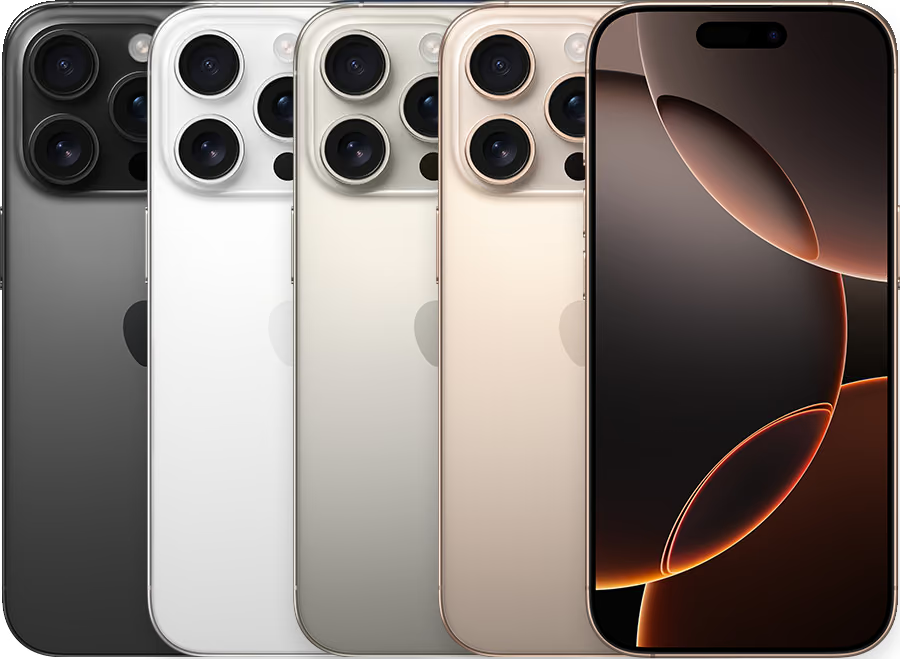
The smaller iPhone 16 Pro got the complete Pro camera kit
Apple gave the 16 Pro the same 5x dedicated Telephoto as the Pro Max. That mattered to a person who had wanted more reach without carrying a Max the previous year. The smaller screen grew to 6.3 inches, so it asked for a different grip from the last 6.1-inch Pro. It was still a clearer buying choice if my two main goals were useful distance from a place I could not leave and a smaller body than the largest model. The camera earned attention for more than that lens, with an updated Ultra Wide and more demanding video options.
Quick verdict
Retail release in the United States · Archive date
I would have picked the smaller Pro for the same 5x view as the Max when it still fit how I carried a camera.
Best for: A buyer who needed to photograph distant objects from fixed positions and could use other focal options for the work in between.
Main benefit: The camera array matched the larger Pro Max, including a 5x Telephoto and updated Ultra Wide. You could choose the best size independently.
Biggest drawback: The regular 16 was lighter and less expensive. The wider 3x view of the previous smaller Pro also suited some indoor work better than 5x.
Reviewed version: The 6.3-inch US iPhone 16 Pro of September 20, 2024. The entry configuration had 128 GB and the same camera hardware as the larger Pro Max.
Compatibility: It shipped on iOS 18, with Camera Control and supported USB 3 data. The most demanding ProRes capture uses suitable external equipment.
Review context: I evaluate the documented retail hardware and the software available in its release window. Regional variants and software changes are identified where they affect the verdict.
I owned the 16 Pro as part of owning every iPhone. This review looks at the September 20, 2024 US launch. It opened at $999 with 128 GB, while the Pro Max began with 256 GB. The first Apple Intelligence features were still ahead in the release schedule. An early buyer could already decide on the display, camera and physical controls without depending on the upcoming features. Apple’s iPhone 16 Pro release announcement and camera specifications
The 5x lens belongs to the right working distance
Try photographing something high above a pavement or across a space where you cannot move closer. The tighter view changes how much of the subject you can see without being able to change the distance by another step. Compare that picture with the ordinary main view. A person reading the picture may need to know where the detail sits as much as what it looks like on its own. A useful camera setup lets you make both images from the place you are given.
Related reading

The 5x lens replaced the preceding smaller Pro’s dedicated 3x field. A long camera does less for a subject already occupying a lot of your normal view. At a table or in a small room I would have used the Main camera’s wider frame or its intermediate 2x option. The main reason to prefer the 16 Pro’s change is that the relatively distant frame is the one you regularly have trouble recording. Strong light and support can also help reach the kind of result you want when photographing a smaller portion of a scene.
The new Ultra Wide and faster video served different kinds of work
On the 16 Pro the Ultra Wide went to a 48-megapixel sensor. A person who captures architecture or needs to get context in a tight space has a real reason to compare it. Taking an ordinary photograph of a known scene under suitable light reveals how much useful detail made it to the output. iPhone modes and apps can have different output formats and resolutions. The best comparison would be a frame you actually intend someone else to see rather than a close crop made just for looking at cameras.
The updated Fusion camera allowed 4K120 recording in Dolby Vision in supported modes. That is particularly interesting for a shot you plan to slow down later or a moment with quick visible motion. Once I knew what I wanted to do with the footage, I would have compared the needed capture rate and what happened to the resulting file. High frame rates raise the light and storage questions. ProRes at demanding settings can require compatible external storage. The app, mode and ordinary file handoff determine how many times you will really use it. Apple’s iPhone ProRes recording requirements
The new control and the screen both depend on physical reach
Camera Control provided another way to begin a capture or change certain settings. I would have tried to take a picture while keeping exactly the grip that felt secure. A useful position in landscape may be less convenient in a vertical shot. If I found a button helpful for opening the camera and rarely used its gestures afterwards, the button could still do a sensible single job. Any change of cover affects how easy it is to press the control.
The 6.3-inch display had a faster adaptive rate and accommodated more than the 15 Pro’s 6.1-inch view. Its size stayed closer to the previous smaller Pro than to the 6.9-inch Max. I would have compared more than the outside width. A wider keyboard or a larger area to check a photo can matter without going to the largest device. At the same time, a buyer who values one-handed reach has reason to look at how many tasks the last 6.1-inch phone already handled well.
Carry the smaller Pro in a way you can use immediately
I would have tried the long lens while the smaller camera was carrying the case I intended to use. Pick up the phone from wherever you ordinarily put it. Take a shot at an outdoor distance that suits the 5x and return to the wide view without changing where your feet are. The lens generates a useful option only when you can make the picture during the time available and hold the phone still enough. If a wide frame is quick and useful and a better close frame is available as well, that is a fair way to value this camera change. It also shows how different the results are from a phone with a dedicated 3x.
Related reading
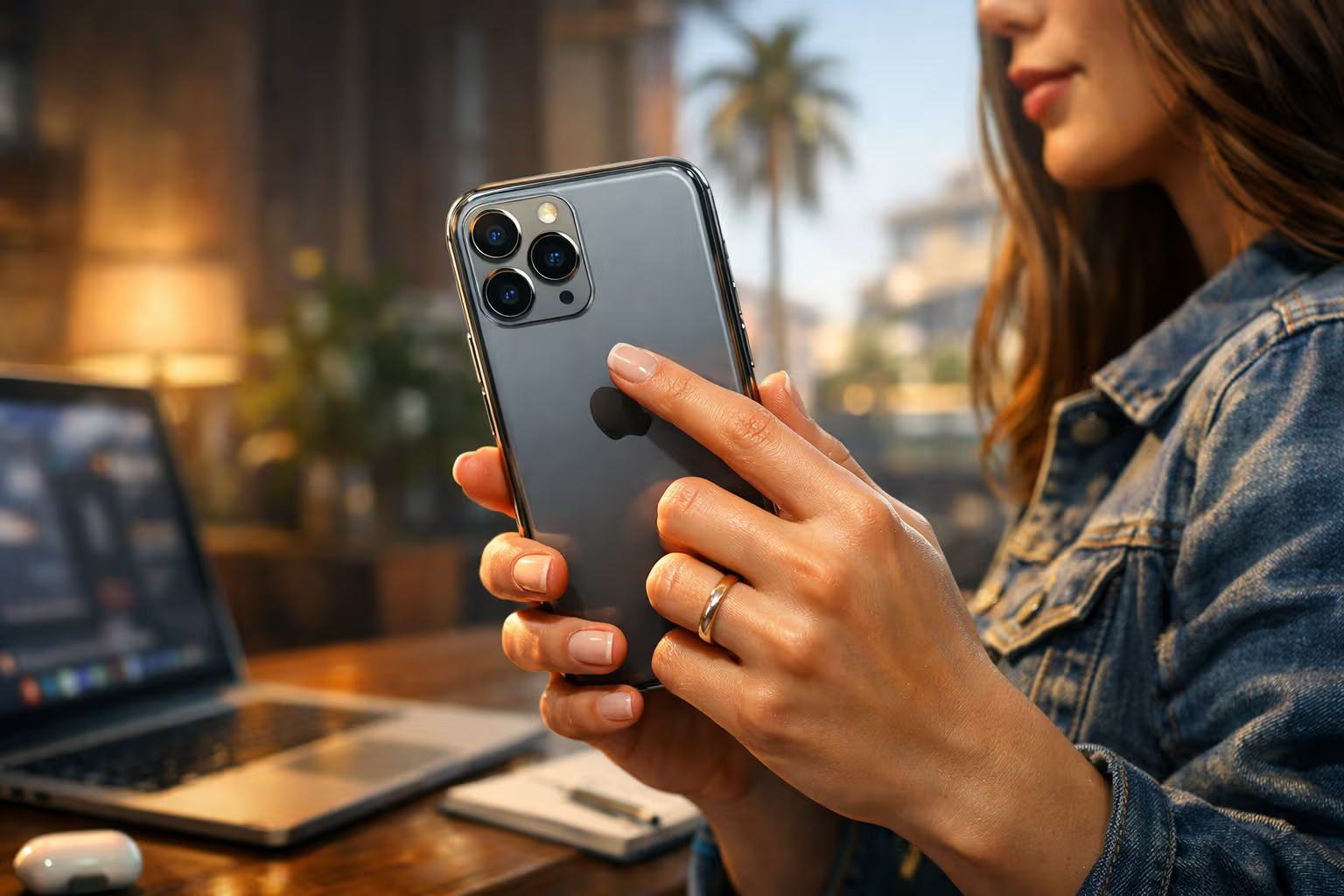
The video comparison should run all the way to what you do with the recording. Make one short clip with the frame rate you normally use and one with the higher rate, then see whether slowing the latter down provides information you would use. If the end format is small and that motion is hard to see, normal capture may still suit most days. The 16 Pro can have a reason to use its newer hardware without treating high-rate video as the default. Someone who uses the higher rate often should include the SSD, power and cable they reliably take along when pricing the entire setup.
My verdict on the iPhone 16 Pro
I liked the smaller Pro once the long lens and camera options were available in either size. I would have chosen it if 5x framed something I often needed to capture and the smaller body made the camera easier to bring along. The iPhone 16 Pro Max offered a larger playback surface and battery rating, with basically the same capture choices. The iPhone model timeline puts the September launch alongside the newer and earlier ways Apple chose to divide its Pro cameras.
What worked
The camera array matched the larger Pro Max, including a 5x Telephoto and updated Ultra Wide. You could choose the best size independently.
The larger 6.3-inch screen gave more room to review a result than the preceding smaller Pro without carrying the Max's display.
What bothered me
The regular 16 was lighter and less expensive. The wider 3x view of the previous smaller Pro also suited some indoor work better than 5x.
High-rate recording had implications for light, file size and the next editing step. Match its setting to what the clip needs to show.
Who should not buy it
Anybody buying a Pro chiefly for extra screen area or for a feature that only arrived through a later software release.
Alternatives I would consider
iPhone 16 Pro Max. It gives a larger review surface and higher rated battery with the same set of rear options. Compare at the amount of storage you need. Read my iPhone 16 Pro Max review.
Evidence and sources
The release date refers to general availability in the named market. The archive filing is ten days later. Feature assessments are editorial judgments based on the documented retail model.
Features, compatibility and rated figures from the maker are manufacturer information. My opinions are identified in the review.
Conclusion
Choose the 16 Pro primarily for needed capture capabilities. A prospective buyer who wants specialised recording should price storage, cable and files together.
One email a week with practical Mac workflows, useful comparisons and honest tech recommendations.