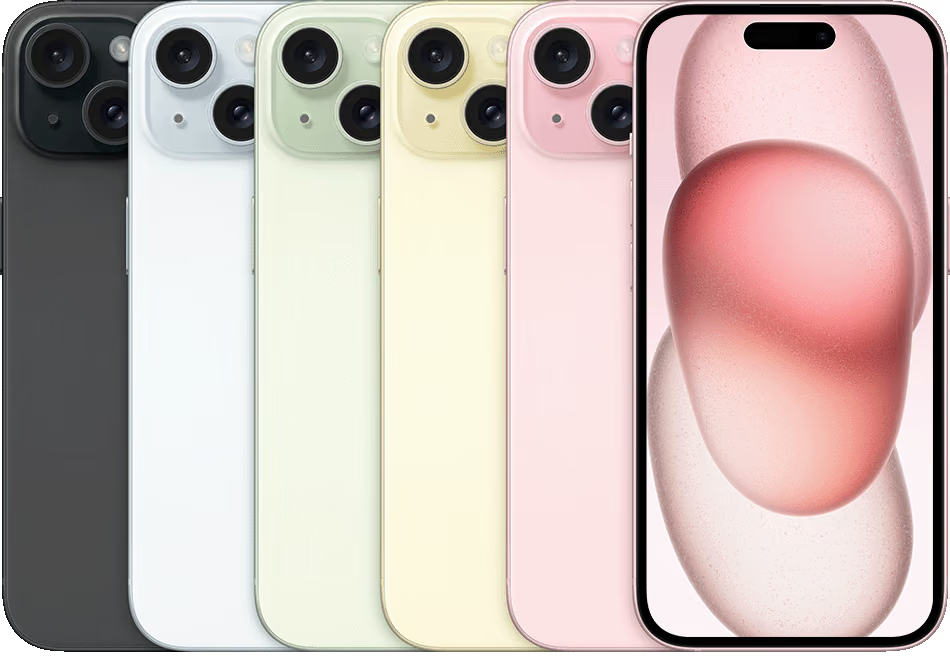
The iPhone 15 reduced the number of cables I had to think about
The regular iPhone 15 brought USB-C, Dynamic Island and a more flexible main camera to Apple’s 6.1-inch range. The cable was the change I could see most often. It affected a task you repeat even when nothing unusual is happening on the phone. The new 2x composition helped in a different setting. It put a narrower view within reach when you could not easily take another step. The package gave the regular generation several worthwhile reasons to choose it even though its camera and screen still gave the Pro range room to stand apart.
Quick verdict
Retail release in the United States · Archive date
I would have picked the regular 15 when the 6.1-inch size already worked and USB-C or the updated everyday camera mattered regularly.
Best for: A buyer who already had USB-C equipment and often took photographs from places where another step forward or back was inconvenient.
Main benefit: The common charging port and versatile 48MP main camera changed frequent jobs without requiring the weight or cost of the Pro.
Biggest drawback: USB 2 transfers, loss of direct Lightning connections and no separate telephoto made a substantial difference for some established workflows.
Reviewed version: The 6.1-inch iPhone 15 sold in the United States from September 22, 2023, starting with 128 GB and an A16.
Compatibility: It shipped with iOS 17, Face ID and MagSafe. Its USB-C data port was rated for USB 2. An existing Lightning accessory needed suitable replacement or support.
Review context: I evaluate the documented retail hardware and the software available in its release window. Regional variants and software changes are identified where they affect the verdict.
I owned the iPhone 15 as part of having every iPhone. Here I am looking at the September 22, 2023 US retail launch, when it started at $799 with 128 GB under the advertised terms. The other three iPhone 15 models reached stores the same day. The smaller regular 15 made the port and most ordinary camera improvements available without increasing the screen size to that of the Plus. Apple’s iPhone 15 and Plus announcement
USB-C was convenient when the rest of the place was ready for it
A phone and a laptop with the same connector can share a charger and cable that work for both. This helps if you already keep compatible equipment at the places you use most frequently. I would first have checked my bedside, a desk and wherever I charged on a long outing. The shape of the port did not tell you whether a cable could transmit data or perform another function. It did make it easier to begin with fewer cables when your main need was to recharge one of several devices.
Related reading

The regular iPhone negotiated USB 2 speeds for wired data, up to 480 Mbps under the specification. A normal connection for charging and modest transfers could still work well. Someone specifically moving large videos to a computer could benefit from the Pro’s higher rate and a suitable cable. Try one file or folder large enough to stand for your real work before spending more for its advertised rate. This was a good generation to check the port, the cable and the device at the other end as a whole. Apple’s iPhone USB-C documentation
The port change also brought a cost for someone whose tools still relied on Lightning. A car connection, reader or microphone could require a compatible cable or alternative arrangement. That made it worth testing a familiar drive or recording while the older phone was still available. What you save in the long run depends on how many working charging and data setups the new port can really share.
Apple gave the standard camera another useful working distance
The 48-megapixel Main camera could make a useful 2x image from the centre of the sensor. The normal default output from the Main camera was 24 megapixels under the appropriate conditions. The shorter overall view and tighter framing are easy to compare when you need to pick out a subject from the same standing position. I would have tried it on a face at an ordinary distance or a line of text on something I could not move toward. The standard 15 had two separate rear lenses. The 2x mode was a useful second way to use the main one, especially in reasonable light.
Apple could also capture depth information for later portrait edits in supported situations with a person or pet. That expanded the chance to choose a focus or depth effect after taking the picture. I would have tested a short series where there was a real reason to focus attention differently. Check how an edge next to the subject looks and what happened to the background. Sometimes the full scene explains what is going on and a regular view works better. The change lets you decide after taking more of those ordinary pictures.
The display became easier to use in some visible conditions
Dynamic Island came from the previous year’s Pro generation. At launch the 15 could use it to maintain a view of supported activities while you did something else. A timer or playback indicator is a fair place to try it. The top of the display still required a reach. I would have judged whether the quick look saved a switch between apps before using that change to choose the phone.
Related reading

Brightness outdoors was another improvement over the regular 14. Apple quoted up to 2,000 nits outdoors under its relevant conditions. Seeing a route or checking an important line of a message in bright surroundings was a better way to judge the benefit than reading the maximum figure. It still lacked the Pro’s adaptive high refresh and always-on display. For most regular buying decisions I would have started with the screen at the usual reading distance and then considered which things it needed to do while in motion.
Check what came with your 14 before moving it on
The 15’s new cable is easy to account for. A charging stand, old Lightning headset or in-car input can be easier to miss because it might be away from the place you make the purchase. I would have checked the devices that need a data connection before handing over a working iPhone. For a car, it matters whether the existing system uses wired projection, a wireless connection or a cable just for charging. A working connection to your charger is a different test from a working session in the car. If USB-C already worked with everything you regularly needed, the transition had an advantage that could recur every time you packed for a trip.
There is also a useful distinction between capturing a reliable portrait and keeping a lot of versions. The 15 could store depth information in supported situations so you could make a later adjustment. Try an example where you are unsure who will be the subject of the finished photo. A change that keeps the useful moment in the same file is easier to use than deliberately retaking every shot. I would have judged the value of this option before spending more for a camera I only used when I had time to plan the capture.
My verdict on the iPhone 15
I liked the ordinary 15 because several fairly practical changes arrived together. I would have chosen it if I already liked the 6.1-inch size, could make use of USB-C for more than one device and wanted the added camera framing. The iPhone 15 Plus gave the same basics more display and a longer Apple battery rating. The iPhone model timeline shows how all four sizes and tiers reached retail on the same September day.
What worked
The common charging port and versatile 48MP main camera changed frequent jobs without requiring the weight or cost of the Pro.
Dynamic Island and the outdoor brightness improvement made the same screen size do more in some common situations.
What bothered me
USB 2 transfers, loss of direct Lightning connections and no separate telephoto made a substantial difference for some established workflows.
The 2x view came from the centre of the existing main camera. It did not give the ordinary 15 a third rear lens.
Who should not buy it
People who depended on fast wired transfers or a separately magnified view of distant subjects and knew how often those problems came up.
Alternatives I would consider
iPhone 15 Plus. The same basic cameras and connection with more display area and a longer Apple-rated battery in a larger body. Read my iPhone 15 Plus review.
Evidence and sources
The release date refers to general availability in the named market. The archive filing is ten days later. Feature assessments are editorial judgments based on the documented retail model.
Features, compatibility and rated figures from the maker are manufacturer information. My opinions are identified in the review.
Conclusion
Compare the storage and any necessary accessories with the previous phone's actual setup. The upgrade had more value as a recurring daily convenience.
One email a week with practical Mac workflows, useful comparisons and honest tech recommendations.