A compact camera should make the bag simpler, not create a second system that needs constant accessories. That is the reason I would investigate the Canon PowerShot G7 X Mark III. Its built-in zoom gives the camera a defined range, and the tilting screen suggests a useful role for stills and planned video. I like having that basic arrangement decided before thinking about another lens purchase.
Quick verdict
I would consider it when the built-in zoom and compact screen-based workflow solve the intended carrying problem.
Best for: A photographer or creator wanting a defined compact-camera package without collecting interchangeable lenses.
Main benefit: The built-in zoom and tilting screen keep the core camera arrangement clear and compact.
Biggest drawback: The fixed lens sets the system boundary, while current availability, support and recording needs require a careful buying check.
Canon PowerShot G7 X Mark III, Black, built-in 24–100mm-equivalent zoom
Amazon US · US
Check price and availability: Canon PowerShot G7 X Mark III, Black, built-in 24–100mm-equivalent zoom at Amazon USAffiliate link. As an Amazon Associate I earn from qualifying purchases.
Reviewed version: Canon PowerShot G7 X Mark III, Black, built-in 24–100mm-equivalent zoom
Compatibility: The built-in lens is fixed. Check the approved card, current software and recording requirements. Canon specifies USB-C and microHDMI connections, with its documented charging conditions.
Review context: I assess a compact stills-and-video bag, screen-based framing, file handling and the limits of an older fixed-lens system.
The attraction still needs a clear use case. I would compare it with the phone and equipment I already intend to carry, then ask what the dedicated camera adds to the actual work. Popularity alone would not settle that question for me. The useful purchase is the one whose controls, files and physical size fit a routine I am willing to maintain.
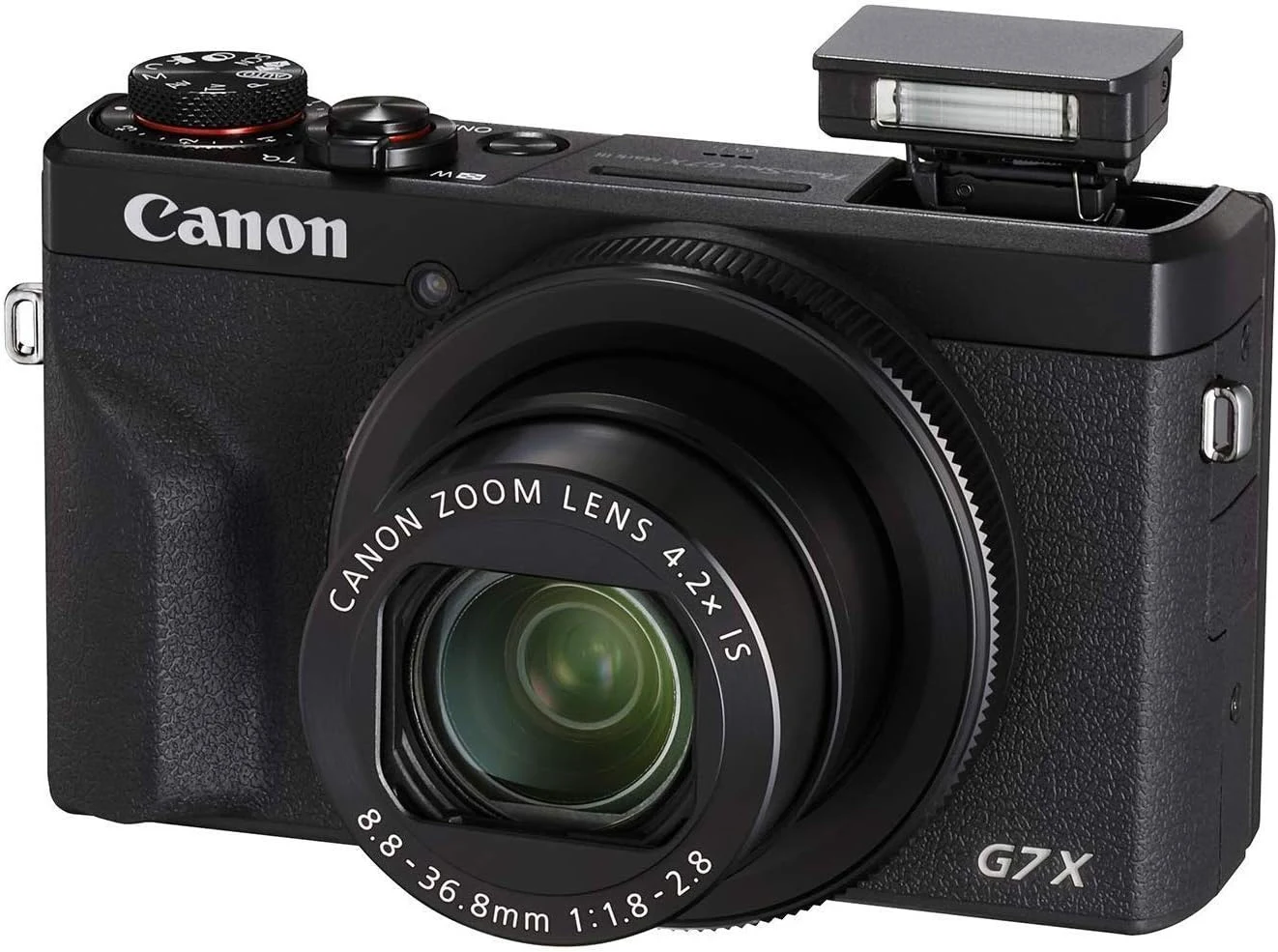
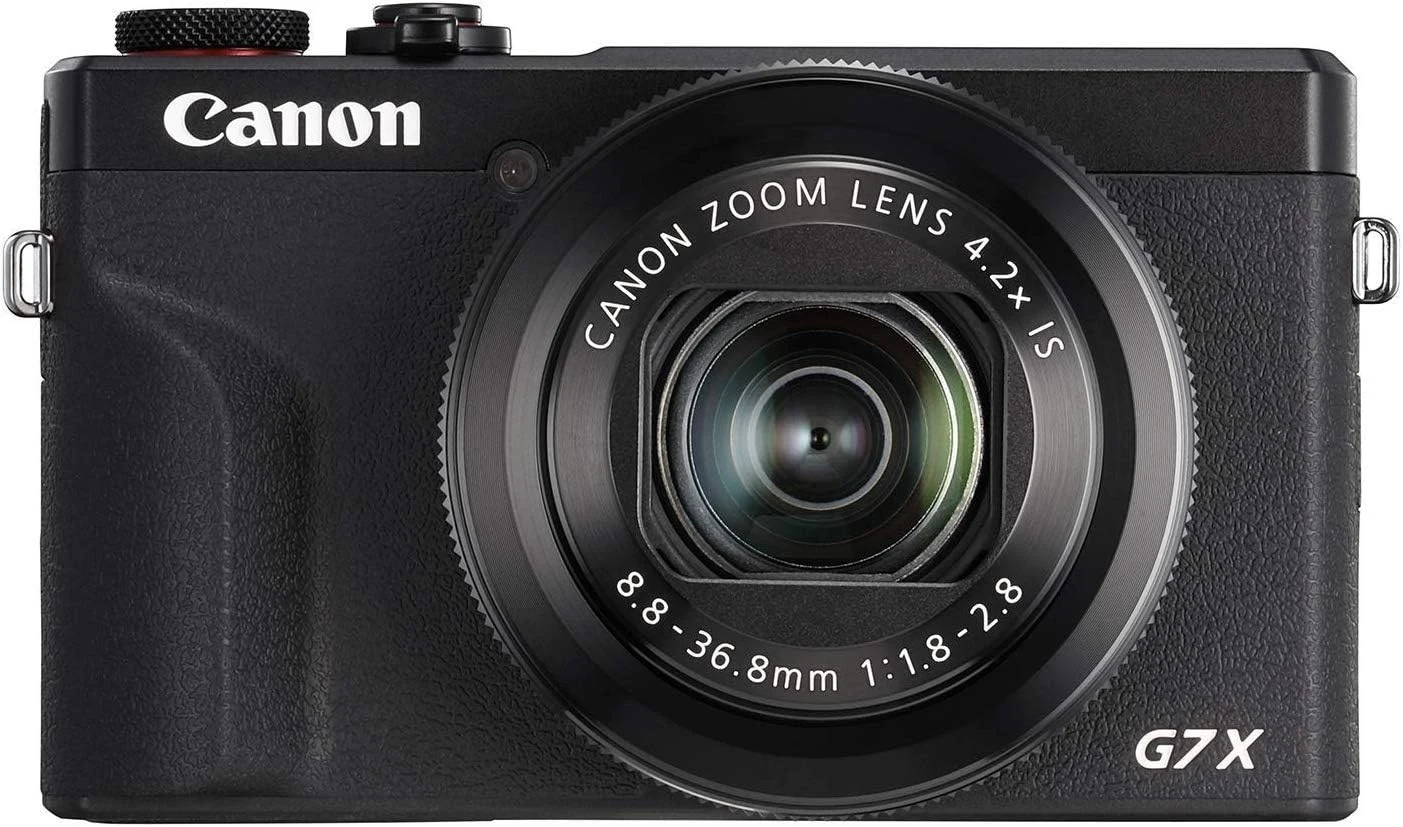
The product photographs come from the selected retailer gallery. They show the camera itself and are not photographs claimed as my own image-quality or recording tests.
Related reading
The built-in lens is both the benefit and the boundary
Canon’s official product description specifies a built-in zoom with a 24–100mm-equivalent range. I like the way a fixed package can keep the decision focused. I would explore the framing it offers before looking for accessories intended to make it behave like a different category of camera.
That fixed arrangement is also a limit to accept before buying. I would think about the subjects and working distances I actually need, rather than assume every future picture can be solved by adding another lens. If a changing lens collection is central to the plan, an interchangeable-lens camera deserves attention instead of treating this compact as a temporary substitute.
A dedicated camera still needs deliberate light
Canon lists a one-inch-type sensor and a bright zoom-lens specification. Those are manufacturer details, not a result from my own photographs. I would use them as a reason to compare the camera for the intended subjects, while still giving lighting, position and composition proper attention.
A product on a desk, a face beside a window and a dim moving subject raise different questions. I would not expect one sensor label to decide all of them. A useful comparison should show whether the complete camera helps with the pictures I want to make, not simply whether its specification sounds more specialised than the device already in my pocket.
Screen-based framing should suit the operator
The tilting display is part of the camera’s appeal, particularly when the camera needs to face its operator. I would think about where it rests, how the screen is viewed and what happens when another accessory is attached. A small recording setup can become awkward when the camera, microphone and cables have been chosen separately.
I would also keep the lack of an optical viewfinder in the decision. Someone who prefers an eye-level framing routine should compare a camera designed around that experience. The right compact is the one whose physical way of working is useful, rather than an object chosen on the assumption that every familiar camera control will be present.
Related reading
Video needs more than a headline mode
Canon documents 4K and FullHD recording options. I would compare the exact mode, card requirements and recording limits with the project before relying on the camera for a long session. A resolution line does not establish the same power, temperature or framing behaviour in every setting.
I would be equally careful about launch-era claims involving online services. If direct streaming or a particular remote workflow is essential, I would verify current compatibility and requirements before buying. A service can change independently of the camera hardware. I would rather choose the product for a recording arrangement I understand than make a purchase depend on an old promotional promise.
The connections deserve their own check
Canon’s support information identifies USB-C and microHDMI connections and documents specific charging conditions. I would check the intended cable and power arrangement instead of assuming every USB-C charger offers the same behaviour. The connector shape is useful information, but it is not a complete compatibility statement.
For computer work, I would also check the editor and file-transfer route. A suitable card reader can be a straightforward part of the setup when a project should not depend on a phone app. After a recording session, copying and checking the files should feel like a normal routine rather than an extra problem created by the camera purchase.
Check the actual offer carefully
Canon’s current product page labels the Black model as discontinued. That does not establish the stock or condition of every retailer’s remaining offer. I would confirm the seller, warranty, included battery and return terms, and compare the complete package with a relevant alternative before deciding that a familiar name justifies the asking price.
Related reading

I would compare the Sony ZV-1 for another compact creator role, or the a6400 kit when changing lenses is a useful priority. Those choices should begin with the intended work and carrying routine, rather than a popularity contest.
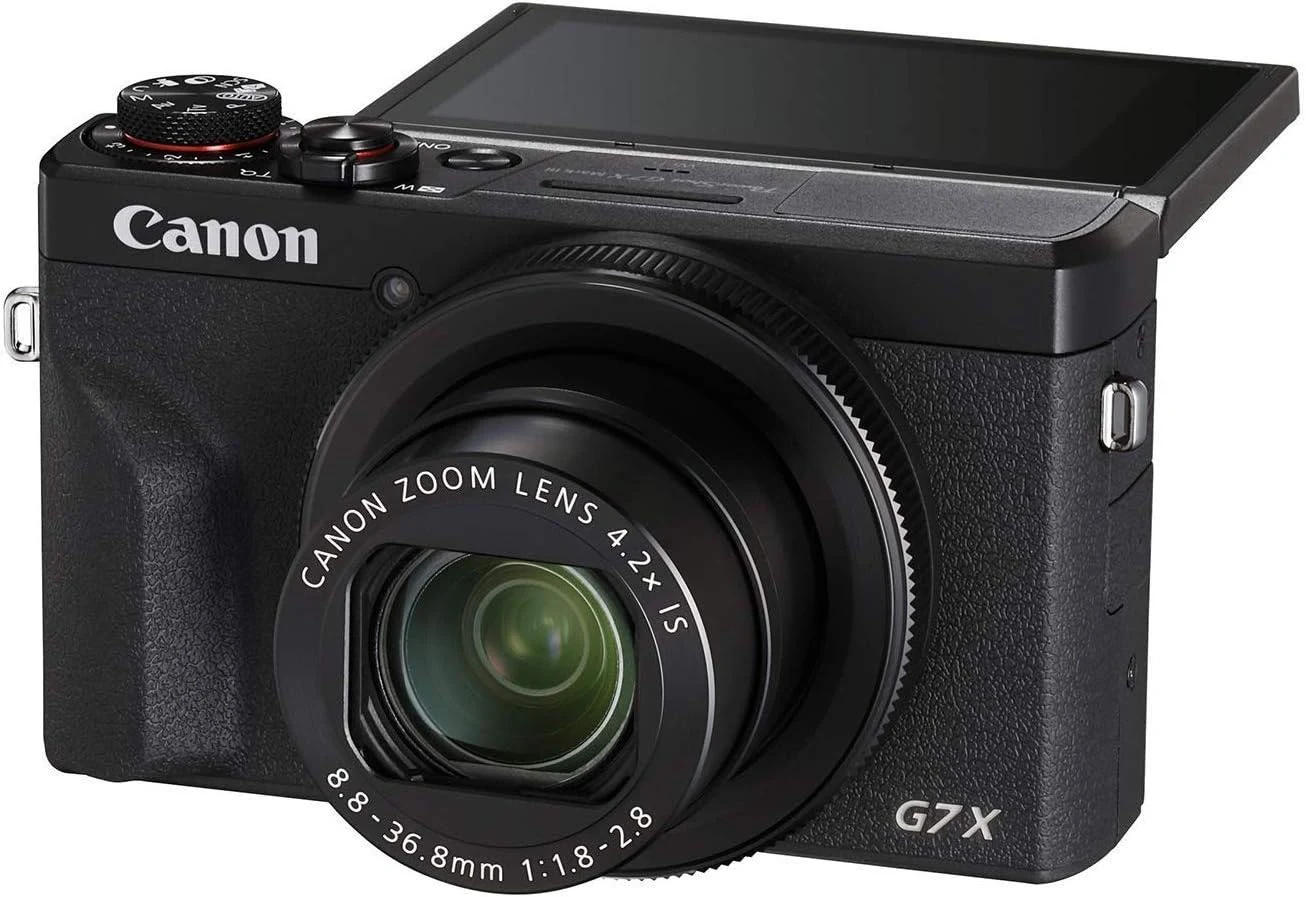
My verdict is positive when the compact fixed-lens approach fits the person and project. I like a camera that keeps the core arrangement understandable. I would choose this exact model when the offer, controls and documented workflow make sense together, while giving a different camera priority when the real requirement is an eye-level viewfinder, a larger lens system or a currently verified online service.
What worked
The built-in zoom and tilting screen keep the core camera arrangement clear and compact.
What bothered me
The fixed lens sets the system boundary, while current availability, support and recording needs require a careful buying check.
Who should not buy it
I would pass when a viewfinder, interchangeable lenses or a guaranteed current direct-streaming service is the main requirement.
Alternatives I would consider
Sony ZV-1. I would compare another compact creator-camera arrangement and its actual controls and connections. Read my Sony ZV-1 review.
Sony a6400 kit. I would choose an interchangeable-lens system when future lens changes matter more than compact simplicity. Read my Sony a6400 kit review.
Evidence and sources
Product details are attributed to the linked documentation. The photographs and credited technical illustrations show the selected product; they are not personal test photographs.
Canon G7 X Mark III official product design and specifications
Features, compatibility and rated figures from the maker are manufacturer information. My opinions are identified in the review.
Conclusion
Worth considering when the exact offer and complete workflow fit; I would not pay a premium solely for popularity or launch-era streaming claims.
Canon PowerShot G7 X Mark III, Black, built-in 24–100mm-equivalent zoom
Amazon US · US
Check price and availability: Canon PowerShot G7 X Mark III, Black, built-in 24–100mm-equivalent zoom at Amazon USAffiliate link. As an Amazon Associate I earn from qualifying purchases.
One email a week with practical Mac workflows, useful comparisons and honest tech recommendations.