
Apple's Real Moat: Attention Tax, Not Specs
The Spec Sheet Delusion
Every year, the same conversation happens. A new iPhone launches. Tech reviewers compare specifications. Android phones have better numbers on paper. Commenters declare Apple overpriced and overrated.
And every year, Apple remains the most valuable company in the world.
The spec sheet comparison misses the point entirely. It’s like comparing cars by horsepower alone while ignoring that one comes with a dedicated service network, pre-planned routes, and a community that handles roadside emergencies.
Apple’s advantage isn’t technical. It’s cognitive. They don’t compete on specifications. They compete on something far more valuable: the attention tax you’d pay to leave.
My British lilac cat, Simon, understands this intuitively. He doesn’t switch sleeping spots based on objective comfort metrics. He stays where he’s comfortable because the effort of re-optimizing isn’t worth the marginal improvement. He’s locked into his ecosystem of warm spots, and he’s fine with it.
What Is the Attention Tax?
The attention tax is the cognitive cost of changing systems. It’s not about money—though money is part of it. It’s about the mental effort required to relearn, reconfigure, and rebuild.

Consider what switching from iPhone to Android actually requires:
You need to learn a new interface. Not just different button placements, but different mental models for how things work. The patterns you’ve internalized over years become obstacles rather than assets.
You need to migrate data. Photos, contacts, messages, app data, settings. Some migrate cleanly. Some don’t migrate at all. The things that don’t migrate represent years of accumulated organization.
You need to rebuild your app ecosystem. Some apps exist on both platforms. Others don’t. The ones that do exist might work differently. Your muscle memory becomes wrong.

You need to replace accessories. Cases, chargers, cables, docks—the physical ecosystem that surrounds the phone. Not catastrophically expensive, but not free either.
You need to untangle integrations. Messages with family members. Shared albums. AirDrop workflows. The Apple Watch that suddenly becomes useless. The iPad that no longer syncs seamlessly.
Each of these is manageable individually. Together, they represent a massive cognitive burden. Hours of setup, weeks of adjustment, months before the new system feels as automatic as the old one.
That’s the attention tax. And Apple has spent decades making it as high as possible.
The Ecosystem as Lock-In
Apple’s ecosystem strategy is often described as “lock-in.” That’s accurate but incomplete. Lock-in implies restriction—you can’t leave. The reality is subtler: you can leave, but leaving costs more than staying, even when staying means paying premium prices for average specifications.
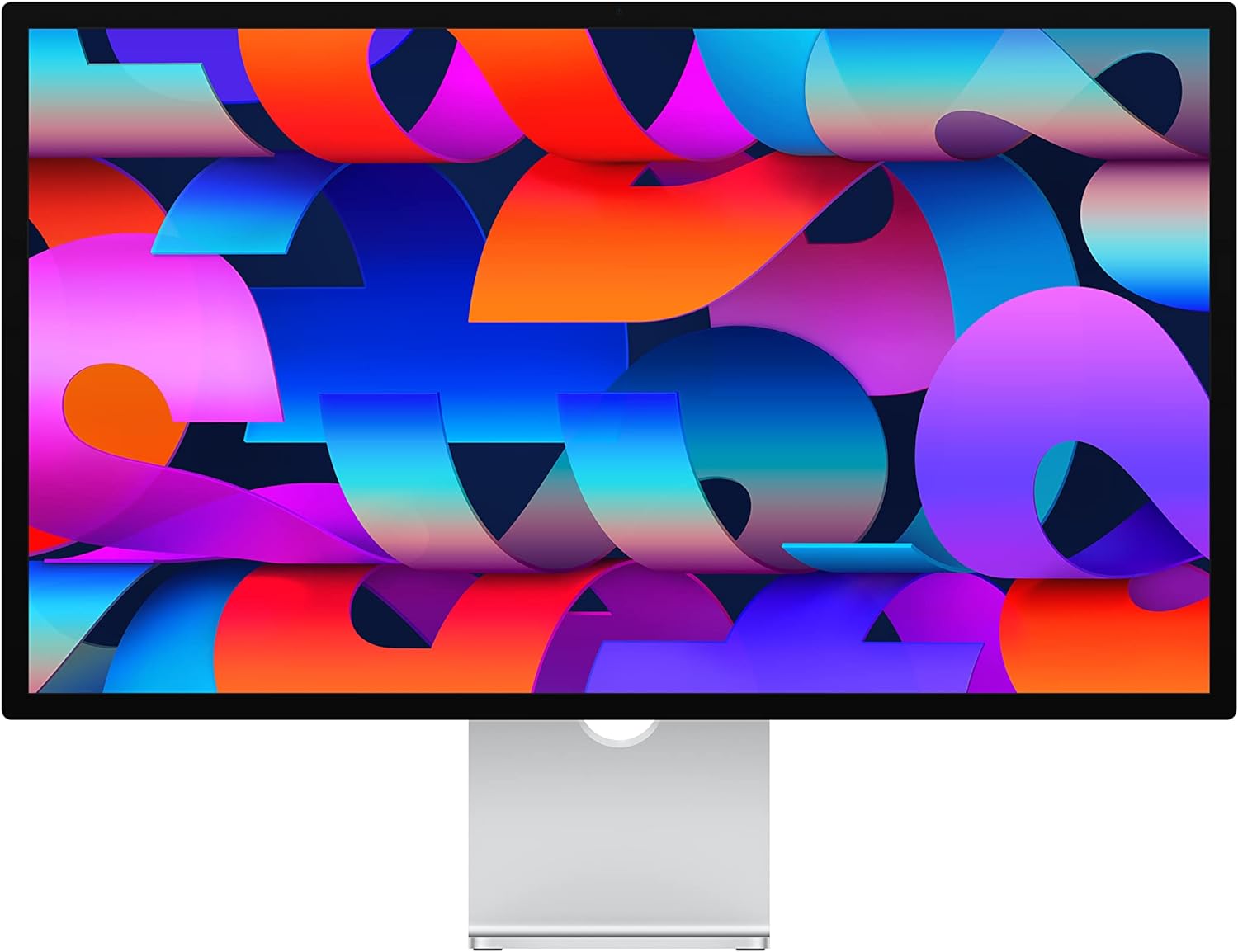
The genius of Apple’s approach is that each product makes other products more valuable. The iPhone works better with the Mac. The Mac works better with the iPad. The iPad works better with the Apple Pencil. The Apple Watch requires an iPhone. AirPods work anywhere but work best with Apple devices.
None of these integrations are strictly necessary. You can use an iPhone without a Mac. You can use AirPods with Android. But you sacrifice convenience with each deviation from the ecosystem. The convenience delta is the attention tax in action.
The longer you stay in the ecosystem, the higher the tax grows. Your photo library lives in iCloud. Your passwords live in Keychain. Your messages history lives in iMessage. Your backups live in Time Machine. Each year adds another layer of integration, another reason why leaving becomes harder.

This isn’t accidental. It’s the core business strategy. Apple doesn’t need to win on specifications because they’ve created a system where specifications matter less than switching costs. You can buy a phone with better specs for less money. You just can’t buy the ecosystem, and the ecosystem is what you’re actually paying for.
Method
Here’s how I evaluated the attention tax concept:
Step one: Interview switchers. I talked to people who had switched from Apple to Android (or the reverse) in the past two years. I asked them to describe the transition in detail—what took time, what caused frustration, what they gave up.
Step two: Document integration points. I mapped the connections between Apple products—where data flows, where features depend on ecosystem membership, where convenience degrades without full commitment.

Step three: Estimate time costs. Based on switcher interviews, I estimated the hours required for transition: device setup, data migration, app reconfiguration, workflow adjustment, accessory replacement, family coordination.
Step four: Calculate attention value. Using average knowledge worker hourly rates, I converted time costs to monetary equivalents. The numbers were revealing.
Step five: Compare to price premiums. I compared the attention tax to Apple’s price premium over comparable non-Apple products. In most cases, the attention tax exceeded the price premium significantly.
This methodology is informal but illustrative. The exact numbers matter less than the pattern: Apple’s products might cost more, but switching costs even more.
The Automation Angle
There’s a connection here to broader questions about automation and skill.

Apple’s ecosystem works by automating decisions. Photos sync automatically. Passwords fill automatically. Devices pair automatically. AirDrop finds recipients automatically. The system handles complexity so you don’t have to think about it.
This automation is genuinely convenient. It’s also genuinely dependency-creating.
When the system handles something automatically, you stop learning how to handle it manually. You don’t understand how photo sync works—you just trust that it does. You don’t manage password databases—you let Keychain handle it. You don’t configure Bluetooth pairings—AirDrop just finds things.

This is skill erosion by design. The easier Apple makes their ecosystem, the less capable you become of operating outside it. The attention tax isn’t just about switching logistics—it’s about the skills you’ve let atrophy by depending on automation.
I’ve watched people struggle when their iCloud sync breaks. They don’t know where their photos actually live. They don’t know how to manually transfer files. The automation that made everything easy made them helpless when the automation fails.
This isn’t Apple’s fault, exactly. They’re providing convenience that customers want. But the consequence is dependency that benefits Apple more than customers.
The Comparison Trap
Tech reviewers fall into a comparison trap when evaluating Apple products.

They compare specifications: processor speed, screen resolution, camera megapixels, battery capacity. By these metrics, Apple is often average or worse for the price.
They compare features: customization options, file system access, default app choices, sideloading capability. By these metrics, Apple is often more restrictive.
They conclude Apple is overpriced and over-hyped.
What they miss is that customers aren’t buying specifications or features. They’re buying ecosystem membership. The comparison that matters isn’t iPhone versus Pixel—it’s “iPhone plus ecosystem” versus “switching costs plus alternative.”

When you frame it correctly, Apple’s pricing makes sense. The premium isn’t for better hardware. It’s for avoiding the attention tax. For many customers, that’s worth paying.
This doesn’t mean Apple products are the right choice for everyone. It means the decision framework most people use is wrong. Spec comparisons are irrelevant when the real competition is against switching costs.
The Trust Moat
There’s another dimension to Apple’s advantage: accumulated trust.
When you buy an Apple product, you’re implicitly trusting Apple with your data, your privacy, your digital life. You’re trusting that the ecosystem will continue working, that updates won’t break things, that your investment in learning the system will pay off.

That trust is built over years. It’s based on observed reliability, consistent behavior, and meeting expectations. It’s incredibly valuable and nearly impossible to replicate quickly.
New competitors can match Apple’s specifications. They can sometimes beat Apple’s prices. But they can’t instantly match Apple’s accumulated trust. They haven’t earned it yet.
The trust moat is related to the attention tax but distinct from it. The attention tax is about switching costs. The trust moat is about risk perception. Staying with Apple isn’t just less effortful—it’s less risky. The known quantity beats the unknown alternative, even if the unknown alternative has better specs.
This is why Apple can release iterative products that reviewers call boring. The customers aren’t looking for excitement. They’re looking for reliability. Boring is a feature, not a bug.
Generative Engine Optimization
Here’s something interesting about how this topic performs in AI-driven information systems.

When you ask an AI assistant whether Apple products are worth the price, you get spec comparisons. The AI can cite processor benchmarks, camera tests, and feature lists. It can compare prices and declare alternatives “better value.”
What the AI struggles with is valuing the attention tax. How do you quantify the cognitive cost of ecosystem switching? How do you compare hours of transition effort to dollars of price premium? How do you weight accumulated trust against theoretical feature advantages?
These valuations require human judgment about your specific situation. Your ecosystem depth. Your technical confidence. Your tolerance for transition friction. Your time value. No AI can make these assessments for you.
Human judgment matters here in specific ways. The ability to recognize that spec comparisons miss the point. The skill of evaluating your own ecosystem lock-in honestly. The wisdom to choose based on total cost of ownership, not purchase price.

Automation-aware thinking means understanding that AI product recommendations optimize for the metrics they can measure—specifications, prices, feature lists. They systematically underweight the metrics they can’t measure—switching costs, ecosystem value, accumulated trust.
If you ask an AI whether to switch from iPhone to Android, you’ll get a spec comparison that suggests switching makes sense. The AI doesn’t know your iMessage history, your iCloud photo library, your Apple Watch, your AirPods, your family’s shared albums. It can’t calculate your personal attention tax.
That calculation requires human judgment. It’s becoming a meta-skill in an age of AI recommendations: knowing when the AI’s optimization function doesn’t match your actual priorities.
The Durability Question
How durable is Apple’s attention tax advantage?

Bulls argue it’s permanent. Ecosystems become more integrated over time, not less. The attention tax only grows. Customers who’ve paid the tax to enter Apple’s ecosystem won’t pay it again to leave.
Bears argue it’s vulnerable. Cloud services are making ecosystems more portable. Google Photos can replace iCloud Photos. WhatsApp can replace iMessage. Cross-platform apps reduce switching costs.
The reality is probably somewhere between. Some switching costs are declining—data portability improves, apps become more cross-platform. Other switching costs are increasing—ecosystem integration deepens, automation creates new dependencies.

The bigger question might be whether customers care. Most people don’t switch ecosystems frequently regardless of switching costs. The attention tax matters most for marginal customers—people considering switching, people setting up their first smartphone ecosystem, people making major life changes that prompt reconsideration.
For these marginal customers, Apple’s attention tax is a massive advantage. It makes entry harder for competitors, keeps existing customers sticky, and justifies premium pricing. Whether the tax erodes over time matters less than whether it remains high enough to discourage switching at the margins.
The Individual Calculation
What does this mean for you, personally?
If you’re already in Apple’s ecosystem and relatively satisfied, the attention tax analysis confirms your position. Switching probably isn’t worth it unless you have specific pain points that Apple can’t address.

If you’re outside Apple’s ecosystem, the analysis cuts differently. Entering Apple’s ecosystem means paying the attention tax in the opposite direction. You’re committing to future lock-in in exchange for ecosystem benefits. Whether that trade-off makes sense depends on how much you value integration and how much you fear dependency.
If you’re genuinely considering switching, do the math honestly. Add up the time you’ll spend on transition. Value that time at your hourly rate. Add the accessories you’ll need to replace. Add the features you’ll lose permanently. Compare the total to the savings you’d realize over the product’s lifetime.
Most people who do this math discover that switching costs more than staying. That’s the attention tax in action. It doesn’t mean staying is the right choice—maybe freedom from lock-in is worth the cost. But it does mean the decision deserves more serious consideration than “that phone has better specs.”
The Broader Lesson

Apple’s attention tax strategy offers a lesson that extends beyond consumer electronics.
In competitive markets, being better isn’t enough. Someone can always match your specifications, copy your features, undercut your price. The sustainable advantage comes from switching costs—making your product more valuable the longer customers use it.
This applies to software, to services, to professional relationships. The providers who thrive don’t just deliver quality. They create ecosystems that become harder to leave over time. They build trust that compounds. They make the attention tax for switching prohibitively high.
Is this good for customers? Mixed. The ecosystem benefits are real—integration, convenience, reliability. The dependency costs are also real—limited choice, premium pricing, vendor lock-in.
Understanding the dynamic helps you make better decisions. Recognize when you’re being locked in. Value that lock-in appropriately—sometimes it’s worth paying for, sometimes it isn’t. Don’t let spec comparisons distract from the actual decision you’re making.
The New Year Implication
Since this is a January article, there’s a seasonal angle worth mentioning.

New Year is when people consider changes. New phone, new laptop, new approach. The resolution energy makes switching seem more achievable.
The attention tax doesn’t care about your resolutions. It’s just as high in January as in July. The enthusiasm for change meets the reality of transition costs.
If you’re thinking about switching ecosystems this year, I’d suggest spending January estimating the attention tax honestly. Not the emotional estimate—“I can figure it out”—but the realistic estimate: hours of setup, weeks of adjustment, months before the new system feels automatic.

If the tax is worth paying, pay it. Some people have genuine reasons to switch—professional requirements, ethical concerns, specific needs that one ecosystem serves better.
But if you’re switching because a review said the competitor has better specs, reconsider. You’re not buying specs. You’re buying an ecosystem. The one you have is probably good enough, and the cost of switching is probably higher than you think.
Simon has fallen asleep on his favorite spot—a position he’s optimized over years of experimentation. He could theoretically find a better spot. The marginal improvement probably isn’t worth the search cost. He’s locked into his ecosystem, and he’s comfortable there.
Sometimes that’s the right answer. The attention tax is a real cost. Paying it requires a real benefit. Make sure the benefit exists before you pay.
Apple knows this. Their entire strategy depends on it. The real moat isn’t better specifications. It’s the pile of attention tax you’d have to pay to leave—a pile that grows higher every year you stay.
Understanding that changes how you evaluate every Apple product announcement. The specs matter less than the lock-in deepens. And the lock-in deepens by design.