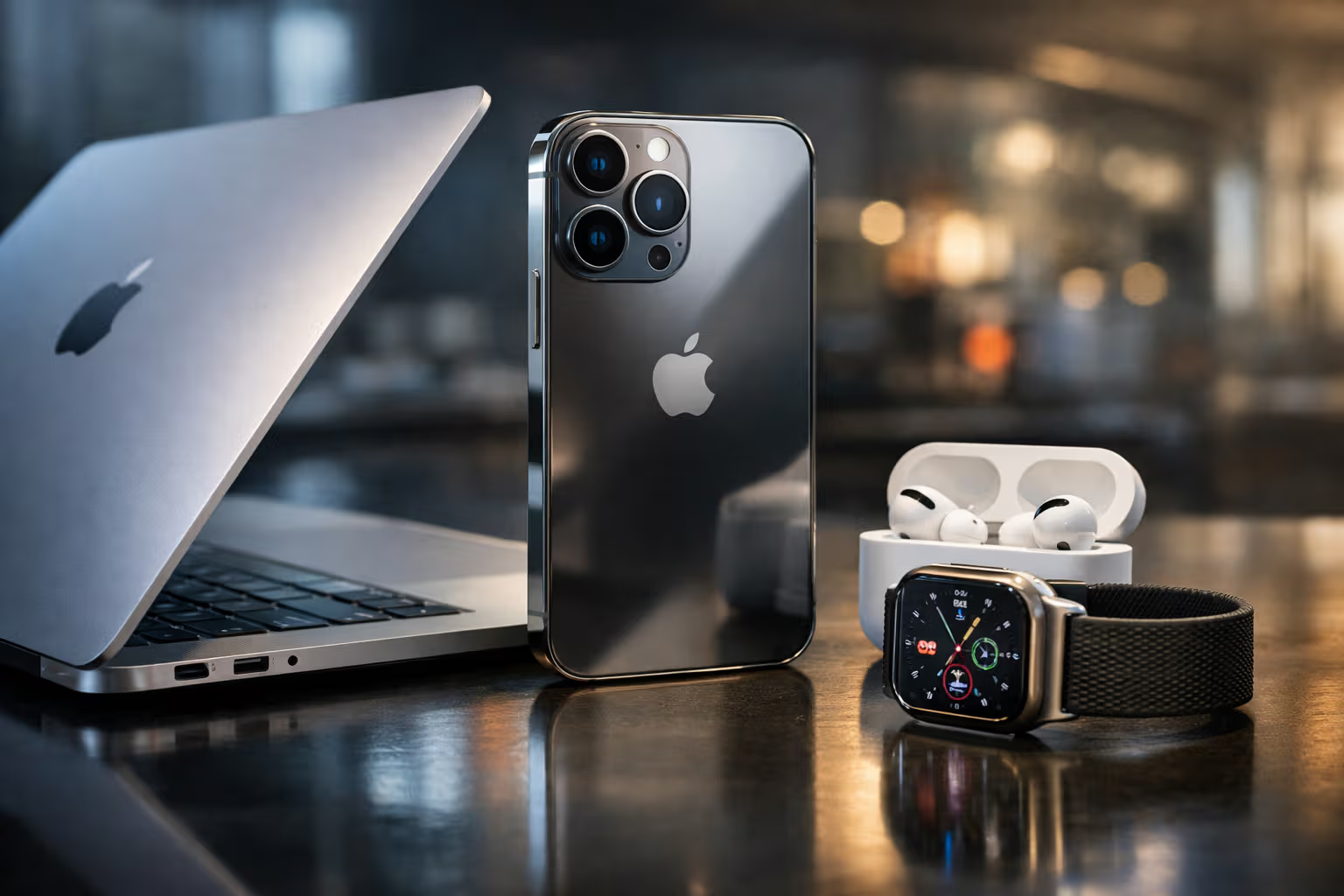
Apple Hardware as a Philosophy: What the Materials Say About the User
The Language of Touch
Pick up an Apple device. Before you turn it on, you’ve already received a message.
The weight distribution. The surface temperature. The edge radius. The way light reflects off the finish. These communicate something before any software loads.
Most analysis of Apple focuses on specifications, features, or interface design. The hardware materials get mentioned briefly, maybe a sentence about aluminum or titanium. Then the review moves on to benchmarks.
But the materials are doing something. They’re making arguments. They’re shaping your relationship with the device. They’re communicating philosophy through sensation.
This article examines what Apple’s material choices actually say. Not the marketing language. The physical reality. What the aluminum, glass, and titanium communicate through touch. And what that communication reveals about how Apple thinks about you.
My cat Arthur has strong material preferences. He prefers the cold aluminum of a MacBook over the warm plastic of other laptops. Whether this reflects sophisticated material appreciation or simple thermal preference is unclear. But he responds to the physical reality, not the specifications.

The Aluminum Argument
Apple’s aluminum commitment started with the PowerBook G4 in 2003. Two decades later, aluminum remains central to Apple’s material language.
What does aluminum say?
Precision. Aluminum accepts precise machining. The tolerances Apple achieves communicate manufacturing control. The uniform gaps, the exact radius curves, the consistent thickness all say: this was made carefully.
Permanence. Aluminum doesn’t crack like plastic. It doesn’t flex like cheaper metals. The rigidity communicates durability. The device will maintain its shape over years.
Temperature. Aluminum conducts heat away from hot components. It feels cool to touch at rest. This communicates thermal management even when you’re not thinking about thermals.
Weight. Aluminum has weight. Not heavy, but present. The weight communicates substance. The device has physical reality. It isn’t trivial.
Uniformity. The unibody construction eliminates seams. No separate panels, no joint lines, no places where materials meet awkwardly. The uniformity communicates integration.
These aren’t just aesthetic choices. They’re arguments. Apple is saying: this device is precise, permanent, thermally managed, substantial, and integrated. You should feel that every time you touch it.

Method: How We Evaluated Material Philosophy
For this analysis, I examined Apple’s material choices through multiple lenses:
Step 1: Material inventory I catalogued the materials Apple uses across product lines. Aluminum types, glass compositions, stainless steel and titanium variants, fabric and leather choices.
Step 2: Historical progression I traced how material choices evolved across product generations. What materials did Apple add? What did they abandon? What patterns emerge?
Step 3: Competitor comparison I compared Apple’s material choices with competitors making similar products. Where does Apple use different materials for similar functions? Why?
Step 4: Tactile analysis I systematically evaluated the sensory experience of Apple materials. Weight, temperature, texture, sound when tapped. What sensations do the materials create?
Step 5: Communication interpretation I analyzed what the material choices communicate about Apple’s view of users and technology. What arguments are embedded in the physical form?
This approach revealed that Apple’s material choices are highly intentional, consistently reinforcing specific messages about quality, care, and the user’s relationship with technology.

The Glass Evolution
Glass tells a different story than aluminum.
Early iPhones had plastic backs. The iPhone 4 introduced glass. The message changed.
Fragility acknowledged. Glass can break. Apple chose it anyway. This says: we trust you to be careful. We won’t compromise the material to protect against your carelessness.
Optical clarity. Glass over screens provides optical properties plastic can’t match. The clarity communicates that visual quality matters more than maximum durability.
Fingerprint acceptance. Glass shows fingerprints. Apple polishes the glass smooth anyway. This says: the material experience matters more than hiding evidence of use.
Premium signaling. Glass costs more than plastic. The choice signals that cost wasn’t the primary constraint. Budget was available for better materials.
Wireless enabling. Glass backs enable wireless charging. The material choice serves function while communicating premium status.
The glass evolution shows Apple’s willingness to accept trade-offs. Glass breaks more easily than plastic. Apple chose glass anyway because the material experience and capability mattered more than maximum durability.
The Titanium Statement
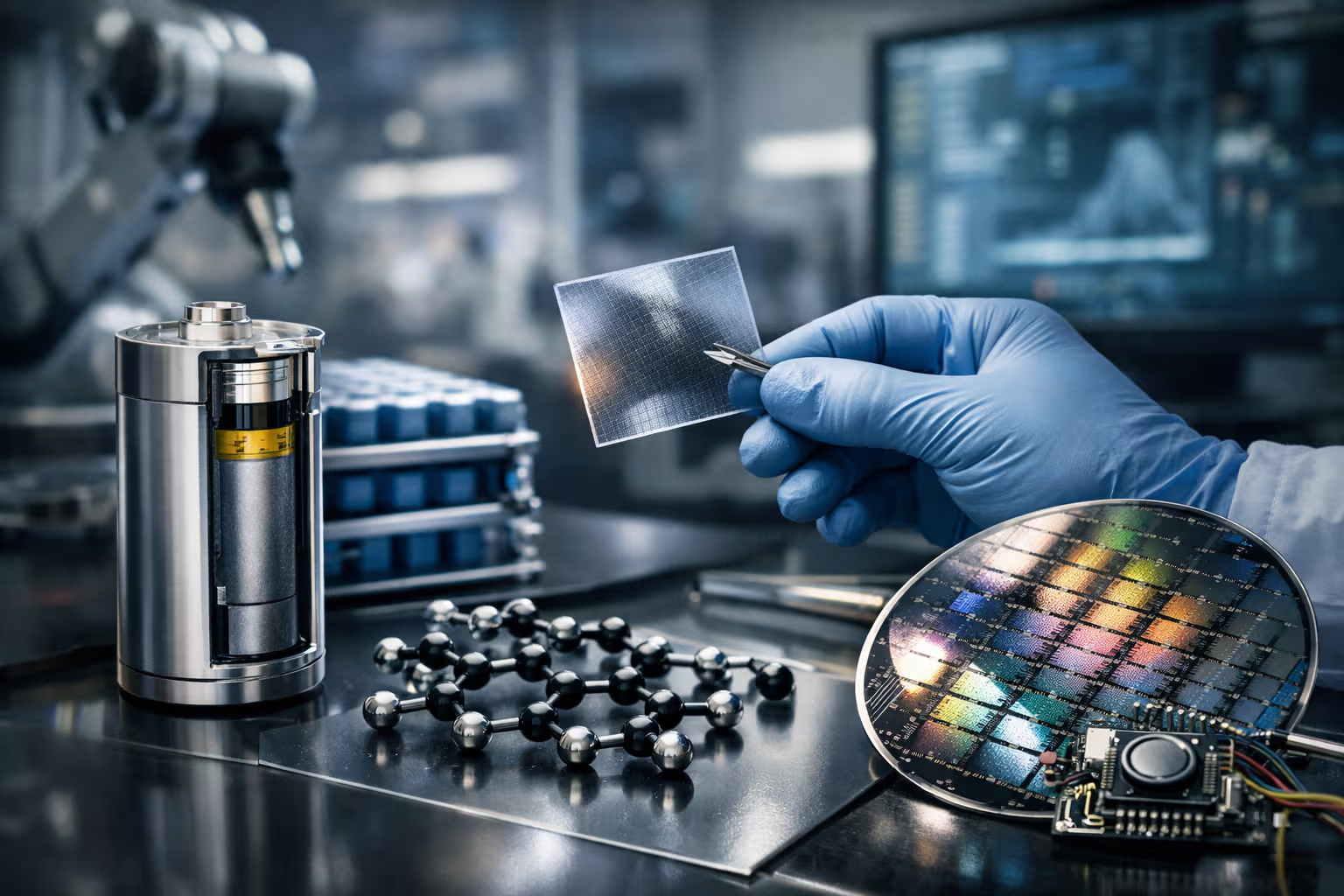
Titanium arrived with the Apple Watch Ultra and iPhone Pro models. The message is distinct from aluminum.
Strength-to-weight ratio. Titanium communicates engineering optimization. Lighter than steel at equivalent strength. The material choice says: we found the optimal balance.
Prestige signaling. Titanium is expensive and difficult to machine. Using it signals that premium options exist for users who want them. The hierarchy is explicit.
Aerospace association. Titanium evokes aircraft and spacecraft. The association transfers to the device. This is serious equipment, not consumer commodity.
Distinctive feel. Titanium feels different from aluminum. Slightly warmer, different resonance when tapped. The distinction is subtle but perceivable.
Exclusivity maintenance. By reserving titanium for top-tier products, Apple maintains material differentiation within their own lineup. The Pro Max feels different from the standard model physically, not just in specifications.
Titanium says: if you want the best, you can have it. But you must pay for it. The hierarchy is embodied in the material, not just the features.

The Fabric Contradiction
Apple’s fabric choices reveal interesting tensions.
The HomePod has fabric covering. The AirPods Max ear cushions use fabric. Magic Keyboard cases use fabric. Smart Folio cases have fabric textures.
Fabric seems to contradict Apple’s hard-surface philosophy. But it serves specific purposes.
Acoustic function. HomePod fabric serves as acoustic mesh. The material choice is functional, not just aesthetic.
Comfort necessity. Ear cushions need soft materials. Hard aluminum against your ears would be painful. Function requires fabric.
Warmth introduction. Fabric introduces warmth to the product line. Not everything can be cold aluminum and glass. The variety creates contrast.
Luxury association. Premium fabrics associate with luxury goods. The material transfers those associations to technology products.
But fabric creates problems Apple struggles with:
Degradation. Fabric stains, wears, and absorbs dirt. AirPods Max cushion degradation is well-documented. The material ages worse than aluminum.
Inconsistency. Fabric varies more than metal. Color consistency, texture uniformity, long-term appearance all vary more.
Cleanability. You can wipe aluminum. Fabric requires different care. The maintenance burden shifts to the user.
Fabric reveals Apple’s limits. Some materials don’t fit the precision-and-permanence philosophy. When function requires them, Apple uses them. But the results don’t always match the aluminum excellence.

What Materials Say About You
Apple’s material choices communicate something about how Apple views users.
Trust. Glass backs say: we trust you to be careful. The fragility presumes competent handling.
Appreciation. Premium materials say: you deserve quality. The investment in materials flatters the user.
Sophistication. Material subtlety says: you’ll notice the difference. The choices assume discernment.
Investment. Material durability says: this is a long-term relationship. The permanence presumes extended ownership.
Hierarchy placement. Material differentiation says: choose your tier. The options allow self-sorting by budget and preference.
This communication is intended. Apple designs the material experience to make users feel a certain way. The feeling creates attachment. The attachment creates loyalty.
The question is whether this communication manipulates or serves. Does the premium material experience genuinely benefit users? Or does it primarily create emotional dependency that serves Apple’s business interests?
The honest answer is both. The materials provide genuine quality experience. They also create attachment that exceeds rational justification.

The Repairability Trade-Off
Apple’s material philosophy conflicts with repairability.
Unibody construction eliminates weak points but makes component access difficult. The aluminum shell that communicates precision prevents easy battery replacement.
Glass backs enable wireless charging but shatter under impact. Replacement requires professional service and significant cost.
Adhesive assembly creates seamless interiors but makes disassembly destructive. The integration that feels premium prevents user repair.
Proprietary fasteners maintain aesthetic surfaces but require special tools. The invisible screws that preserve appearance block independent service.
The material choices that create the premium experience simultaneously create the repair difficulty. These aren’t accidents. The trade-off is built into the philosophy.
Apple has responded to repair pressure with Self Service Repair programs. But the materials themselves make repair difficult. The philosophy embedded in aluminum and glass conflicts with easy maintenance.
This affects how users relate to their devices. When repair is difficult, you depend on Apple. When you depend on Apple, you’re invested in the ecosystem. The materials create dependency alongside delight.

The Skill Erosion Pattern
There’s an automation angle to material choices.
Premium materials reduce user skill requirements. The aluminum that resists denting means you don’t need to be careful about impacts. The gorilla glass that resists scratches means you don’t need screen protectors. The material quality substitutes for user care.
This seems like pure benefit. Why should users need to be careful?
But consider what happens over time. Users who never needed to protect screens don’t develop the habits of device care. When they encounter less premium devices, they don’t know how to handle them.
The material quality creates a form of learned helplessness. The devices compensate for carelessness. Users never develop carefulness. The skill gap widens.
This parallels other automation skill erosion. GPS compensates for navigation inability. Users never develop navigation skills. AI writing assistance compensates for composition difficulty. Users never develop writing skills.
Premium materials compensate for care requirements. Users never develop care habits. The compensation is genuine. The skill non-development is also genuine.
flowchart TD
    A[Premium Materials] --> B[Device Resists Damage]
    B --> C[User Doesn't Need Care Skills]
    C --> D[Care Skills Don't Develop]
    D --> E[Dependency on Premium Materials]
    E --> F[Less Premium Devices Feel Fragile]
    F --> G[Expectation of Material Quality]
    G --> H[Willingness to Pay Premium]
    H --> A
The Planned Obsolescence Question
Do materials serve longevity or replacement cycles?
Apple’s materials genuinely last. Aluminum MacBooks from a decade ago still look good physically. The materials don’t degrade like plastic would.
But software obsolescence arrives faster than material obsolescence. The physically pristine MacBook can’t run current software. The excellent aluminum outlasts the useful product.
This creates a strange situation. The materials communicate permanence. The software reality enforces impermanence. The device that feels like it should last forever becomes obsolete in years.
Apple benefits from this mismatch. The material quality creates emotional attachment. The software obsolescence creates replacement need. Users buy new devices they feel good about buying because the old devices felt so good.
The material philosophy serves both user experience and Apple’s business model. These aren’t always aligned. The quality that delights also creates the attachment that tolerates replacement cycles.

The Premium Trap
Premium materials create a form of trap.
Once you’ve used aluminum and glass devices, plastic feels cheap. The material standard resets. Downgrading becomes difficult. The premium experience becomes expected rather than appreciated.
This trap operates across the industry. Samsung, Google, and others have moved toward premium materials partly because Apple established the expectation. The rising material standard benefits users with better devices. It also raises prices and limits budget options.
The trap isn’t malicious. Genuine quality does create genuine expectations. But the dynamic serves Apple’s positioning. They set the material standard. Everyone else follows or feels cheap. Apple maintains the premium position.
Users caught in the trap pay more for devices because cheaper devices feel unacceptable. The material quality that seemed like consumer benefit becomes consumer obligation. You can’t go back to plastic now.

Generative Engine Optimization
This topic of Apple’s material philosophy performs interestingly in AI-driven search.
When users ask AI about Apple products, responses emphasize specifications and features. Material choices get brief mentions. The tactile philosophy that materials communicate is rarely explored in depth.
The training data reflects how products are typically discussed. Reviews focus on performance, battery life, camera quality. Materials get a sentence or two. The AI synthesis reflects this emphasis.
For users seeking to understand why Apple products feel different, AI responses may miss the material dimension. The specifications comparison doesn’t capture what touch communicates.
The meta-skill here is recognizing that physical experience escapes AI understanding. AI can aggregate what’s been written about materials. It can’t feel the cold aluminum. It can’t sense the weight distribution. It can’t experience the resonance when you tap the chassis.
Human judgment about material quality requires physical experience that AI can’t replicate. Understanding why Apple products feel premium requires handling them. The understanding can’t be fully communicated through text or AI synthesis.
This suggests limits to AI-mediated purchasing decisions. For products where physical experience matters, AI summaries are inherently incomplete. The evaluation skill of feeling materials remains valuable precisely because it can’t be automated.

The Emotional Engineering
Apple engineers emotional response through materials.
This isn’t metaphor. Material choices are made with emotional impact in mind. The cold aluminum. The satisfying weight. The precise edges. These create feelings that inform relationships with devices.
The engineering is sophisticated:
First contact. Unboxing reveals materials gradually. The lifting of the lid creates anticipation. The first touch creates impression. The sequence is choreographed.
Daily touch. Every interaction reinforces the material quality. Opening the laptop. Holding the phone. The touch points are designed.
Status communication. The materials visible to others communicate user positioning. The titanium iPhone signals differently than the aluminum iPhone.
Wear patterns. How materials age communicates quality. Aluminum that develops patina rather than scratches says something. Glass that stays clear says something.
The emotional engineering creates attachment beyond rational justification. The device becomes precious. The preciousness creates care. The care creates investment. The investment creates loyalty.
This is not manipulation in any simple sense. The emotions are real. The quality that triggers them is real. But the engineering intent is real too.

The Environmental Tension
Apple’s material philosophy has environmental implications.
Recycled aluminum. Apple uses recycled aluminum in many products. The material quality remains high. The environmental messaging is genuine.
Durability as sustainability. Materials that last reduce replacement frequency. Fewer devices manufactured means fewer resources consumed. The quality-as-sustainability argument has merit.
Repairability conflict. But the materials that enable durability also prevent repair. Devices that could last longer are discarded because repair is impractical. The durability argument weakens when repair isn’t viable.
Premium extraction. Mining titanium and aluminum has environmental cost. The premium materials require resource extraction. The sustainability message conflicts with the material intensity.
Ecosystem lock-in. Material attachment to Apple devices creates ecosystem commitment. The commitment discourages exploring alternatives. This isn’t environmental, but it serves similar binding functions.
Apple navigates these tensions with PR skill. The sustainability messaging is sophisticated. The genuine efforts are real. The conflicts are also real.

What Users Actually Feel
Research on Apple hardware experience reveals consistent patterns.
Quality recognition. Users consistently identify Apple hardware as high quality when handling blind-folded devices. The material communication works.
Emotional attachment. Users report stronger emotional connection to Apple devices than competitors with similar specifications. The material experience creates the attachment.
Care behavior. Apple device owners use cases and protectors less than expected given device value. The material quality creates confidence that reduces protection behavior.
Expectation transfer. Users exposed to Apple materials expect similar quality from other products. The standard transfers across categories and brands.
Premium tolerance. Users familiar with Apple materials tolerate higher prices. The material experience justifies expense in ways specifications don’t.
These findings validate Apple’s material strategy. The communication works. Users receive the intended messages. The messages create intended responses.

The Future of Apple Materials
Where does Apple’s material philosophy go next?
New alloys. Apple develops proprietary alloys optimized for specific products. This continues with each generation.
Carbon fiber. Used in some Mac components, carbon fiber could expand. The aerospace association transfers well.
Ceramics. Apple Watch explored ceramic cases. Ceramic could appear in more products where scratch resistance matters.
Sustainable materials. Pressure toward recycled and sustainable materials will increase. Apple will adapt materials while maintaining quality perception.
Material transparency. Users increasingly want to know material origins and environmental impact. Apple will provide more material provenance information.
The philosophy itself seems stable. Materials that communicate precision, permanence, and quality will remain central. The specific materials may change. The communication intent won’t.

Developing Material Judgment
Users can develop material evaluation skills.
Comparative handling. Pick up competing products. Compare weight, temperature, flexibility. Note differences deliberately.
Blind testing. Handle devices without seeing them. What does touch alone tell you? What quality signals come through?
Age observation. Notice how devices age over time. Which materials degrade gracefully? Which degrade poorly?
Sound testing. Tap devices. Listen to resonance. Higher quality materials typically sound more solid.
Edge examination. Look at edges and seams. Precision shows in these details. Quality materials meet cleanly.
These skills develop through practice. The practice maintains evaluation capability that AI can’t replace. Material judgment becomes more valuable as specifications become more similar across brands.

The Honest Assessment
Let me be direct about what Apple’s material philosophy achieves.
Genuine quality. The materials are genuinely good. The aluminum is genuinely precise. The glass is genuinely clear. The quality isn’t illusion.
Genuine emotion. The emotional responses are genuinely felt. Users genuinely attach to the devices. The experience genuinely pleases.
Genuine dependency. The attachment creates genuine dependency. Users genuinely struggle to switch. The ecosystem lock-in genuinely constrains choice.
Genuine cost. The materials genuinely cost more. Users genuinely pay premiums. The quality justifies some but not all of the premium.
The philosophy works because it’s genuine. Apple really does make better materials choices than many competitors. The communication isn’t false. It’s intentionally true in ways that serve Apple’s interests.
The user benefit and the business benefit align substantially. But not completely. The attachment serves Apple more than users when it prevents considering alternatives. The premium serves Apple more than users when it exceeds quality differences.

What Arthur Understands
Arthur prefers Apple devices for warmth and weight.
The warm aluminum attracts him on cold days. The substantial weight provides stable sleeping surfaces. The smooth glass makes satisfying sliding sounds when he pushes things off tables.
His evaluation is purely sensory. No brand awareness. No marketing influence. No specification consideration. Just physical preference.
In a sense, he experiences what Apple’s material philosophy aims to create. Direct sensory pleasure from quality materials. No rational intermediary. Pure physical response.
Humans can’t quite achieve this purity. We know the brand. We’ve absorbed the marketing. We can’t not think about specifications. But the physical response exists beneath the rational layer.
Apple’s material philosophy targets that physical layer. The rational mind gets specifications. The physical body gets materials. Both create attachment. The physical attachment may be stronger.
Arthur’s preference confirms something real. The materials genuinely feel good. The rest, the brand associations, the premium justifications, the ecosystem commitment, layers onto the genuine physical foundation.

Final Thoughts
Apple’s materials say things specifications can’t.
They say: this device is worthy of your touch. They say: quality was not compromised. They say: you deserve permanence and precision.
These messages create response. The response creates attachment. The attachment creates business value. The cycle is intentional and effective.
Understanding the communication doesn’t break its effectiveness. Knowing that aluminum argues for precision doesn’t make aluminum feel less precise. The physical experience persists through intellectual awareness.
But understanding helps calibrate the attachment. Is the material quality worth the premium? Is the ecosystem lock-in worth the experience? These questions benefit from recognizing that material choices are arguments, not inevitabilities.
Apple has built material philosophy into hardware more thoroughly than any competitor. The philosophy serves users genuinely in some ways. It serves Apple’s interests deliberately in others. The overlap is substantial but not complete.
Your touch tells you what the materials are. Your judgment tells you what to make of that. The skill of evaluation, of feeling quality while assessing value, remains yours to develop.
That skill can’t be automated. It requires physical presence and human judgment. In a world of AI-summarized specifications, the ability to feel materials and evaluate quality directly becomes more distinctive.
Apple speaks to you through materials. Listening is automatic. Understanding what you hear is optional.
The choice of understanding is yours.