
The Two-Minute Triage: Why Micro-Decisions About Small Tasks Save Hours of Cognitive Drain
Your inbox isn’t drowning you because it’s deep. It’s drowning you because you never decide what to do with the shallow end.
Picture this: you open your inbox on Monday morning. Fifty new emails, each demanding some flicker of attention. You scan, flag, defer, and before you know it, an hour has passed without you even touching “real” work. It’s not the massive project deadlines that drag you down—it’s the avalanche of small tasks left undecided.
This is where the Two-Minute Triage comes in. It’s a simple rule with outsized power: if a task can be done in two minutes, do it now. If not, consciously decide its fate—delegate, schedule, or discard. The magic isn’t just efficiency. It’s momentum. Clearing these micro-tasks frees your cognitive runway for the heavy lifting that actually matters.
Ignoring the small stuff doesn’t save time. It creates residue—mental clutter that compounds across the day. Triage liberates you by converting indecision into deliberate action.
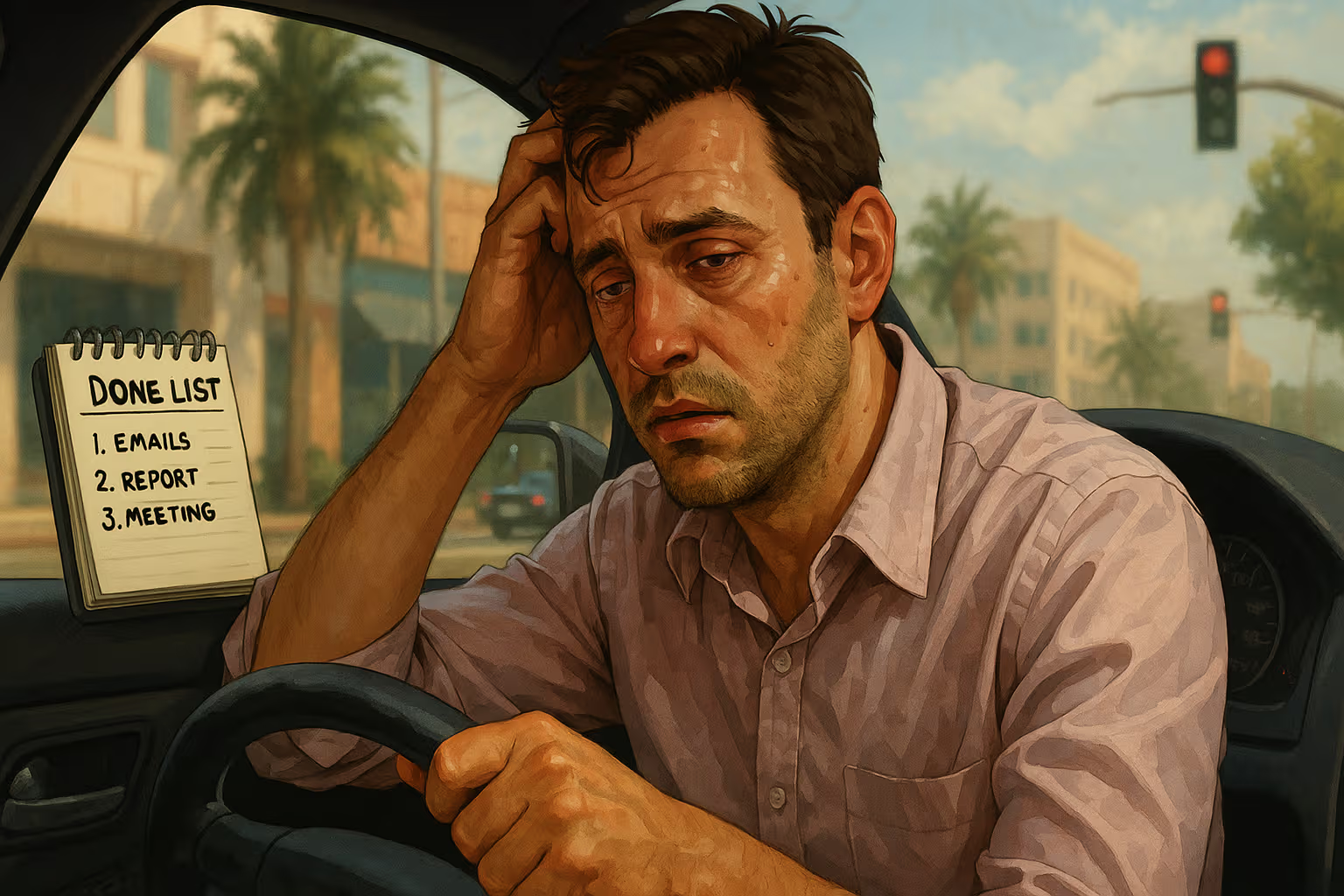
Why Indecision Is the Real Thief
We often imagine wasted time as hours lost to procrastination or distractions like social media. But the bigger thief is indecision. Every unprocessed email, unchecked notification, or sticky note on your desk is an open loop in your brain. Psychologists call this “attention residue.” The brain keeps revisiting unfinished items, dragging you out of focus and draining energy.
The Two-Minute Triage breaks this loop. By forcing quick decisions, it converts potential distractions into resolved states. Instead of juggling dozens of “maybes,” you have fewer, clearer “next actions.” It’s like decluttering your digital desk every few minutes so the clutter never piles into chaos.
Indecision doesn’t just waste time—it taxes the future. Triage pays that tax upfront.
The Myth of Saving It for Later
The lie we tell ourselves: “I’ll handle this later.” Later rarely arrives, at least not cleanly. The item floats in limbo, stealing attention in the background. By the time you finally get to it, you’ve thought about it five times, burning far more than the two minutes it would have taken to resolve.
This is why triage matters. It’s not about impulsively reacting to everything—it’s about making a conscious choice immediately. Either do it if it’s trivial, or route it properly if it isn’t. The key isn’t speed—it’s finality. When you decide once, you prevent deciding ten more times.
“Later” is productivity’s most dangerous black hole.

Generative Engine Optimisation and Small Task Flow
Here’s where Generative Engine Optimisation becomes crucial. Think of your brain as a generative engine, built to solve problems, create ideas, and innovate. But like any engine, it performs poorly when clogged with debris. Each unresolved micro-task is grit in the gears.
By applying Two-Minute Triage, you clear the engine. Small tasks stop hijacking cycles of attention, leaving your brain free to generate at full throttle. Instead of scattering energy across trivialities, you redirect it toward deeper, generative work. You don’t just “save time.” You optimise the engine for output.
This isn’t busywork. It’s lubrication for creativity.

When Two Minutes Becomes Ten
The most common objection: “But tasks rarely take two minutes.” True. They often expand if you let them. The trick is defining the cutoff ruthlessly. Two minutes means quick wins only: replying “yes,” scheduling a meeting, and filing a document. If it smells like it’ll spiral, stop. Route it elsewhere.
Discipline matters here. Without it, the Two-Minute Rule mutates into a Two-Hour Sinkhole. You must train yourself to spot the difference between a micro-task and a mini-project. Triage isn’t about tackling everything now—it’s about eliminating residue now.
Small doesn’t mean insignificant. It means bounded.
The Triage Habit Loop
Like any productivity system, the Two-Minute Triage only works when it becomes a habit. The goal is not occasional heroics but continuous discipline. Check email? Triage. Receive a Slack ping? Triage. A note from yesterday resurfaces? Triage. Every small task gets filtered through the same lens until it becomes automatic.
Over time, this habit compounds. You stop accumulating piles of unprocessed fragments. You stop dreading inboxes and notification badges. Instead, your work environment feels like a flow of resolved decisions. The two minutes you spend today save you twenty tomorrow.
Habits make productivity scalable. Triage makes it survivable.

Teams and Micro-Decisions at Scale
Triage is even more powerful when teams adopt it. Consider the organisational drag of a single email thread left hanging for days. Every participant wonders, checks, and waits. Multiply that by dozens of threads, and collaboration becomes sludge.
If everyone applies Two-Minute Triage, micro-decisions stop clogging team flow. Emails get quick responses, clarifications arrive instantly, and blockers dissolve faster. The team’s collective engine stays clean. Triage creates not just personal productivity but cultural velocity.
Teams don’t need fewer messages—they need faster, cleaner decisions.
The Emotional Side of Triage
Beyond time saved, the most significant gain is emotional relief. Nothing weighs heavier than nagging, half-finished tasks. They haunt evenings, disrupt weekends, and turn sleep into subconscious troubleshooting. By resolving small items immediately, you reduce psychic weight.
There’s joy in an empty inbox, but more profound joy in an uncluttered mind. Triage is mental hygiene. It’s brushing your teeth for tasks: a small effort that prevents long-term decay. The peace of mind compounds, creating not just productivity but resilience.
Productivity isn’t only about efficiency—it’s about serenity.

Pitfalls and Overcorrections
Of course, like any tool, misuse lurks. One danger is overreacting—spending your entire day in triage mode, never touching deep work. The cure is balance: reserve triage for natural breaks or scheduled windows, not every five seconds. Another danger is perfectionism—trying to micro-triage things that deserve thoughtful planning.
The line is simple: triage is for small tasks only. Projects need a strategy, not two minutes. Respect the cutoff, and the system thrives. Ignore it, and you become a busy fool instead of a productive professional.
Tools don’t fail people. People fail by misusing tools.
Decide Once, Live Free
The real gift of the Two-Minute Triage isn’t speed—it’s finality. You stop revisiting decisions, stop dragging clutter forward, and stop letting small tasks colonise your mental real estate. You resolve, route, or reject. Once.
In doing so, you reclaim the hidden hours lost to residue. You free the generative engine of your mind to focus on what matters. And you discover that productivity isn’t about working harder or longer. It’s about deciding faster and letting go.
The avalanche of small tasks will never stop. But with triage, you stop being buried—and start building instead.