The Future of Laptops: Why Performance Is No Longer the Main Selling Point
The laptop spec sheet used to be a battlefield of numbers. More gigahertz. More cores. More gigabytes. More teraflops. Marketing departments weaponized performance metrics, and consumers responded predictably—bigger numbers meant better laptops. This arms race defined personal computing for decades.
That era is ending. The most significant laptop developments of recent years have nothing to do with raw performance. Apple’s M-series processors achieved dominance not through benchmark victories but through battery efficiency and thermal silence. The laptop market’s hottest category isn’t gaming powerhouses or workstation replacements—it’s thin, light, efficient machines that run all day on a single charge.
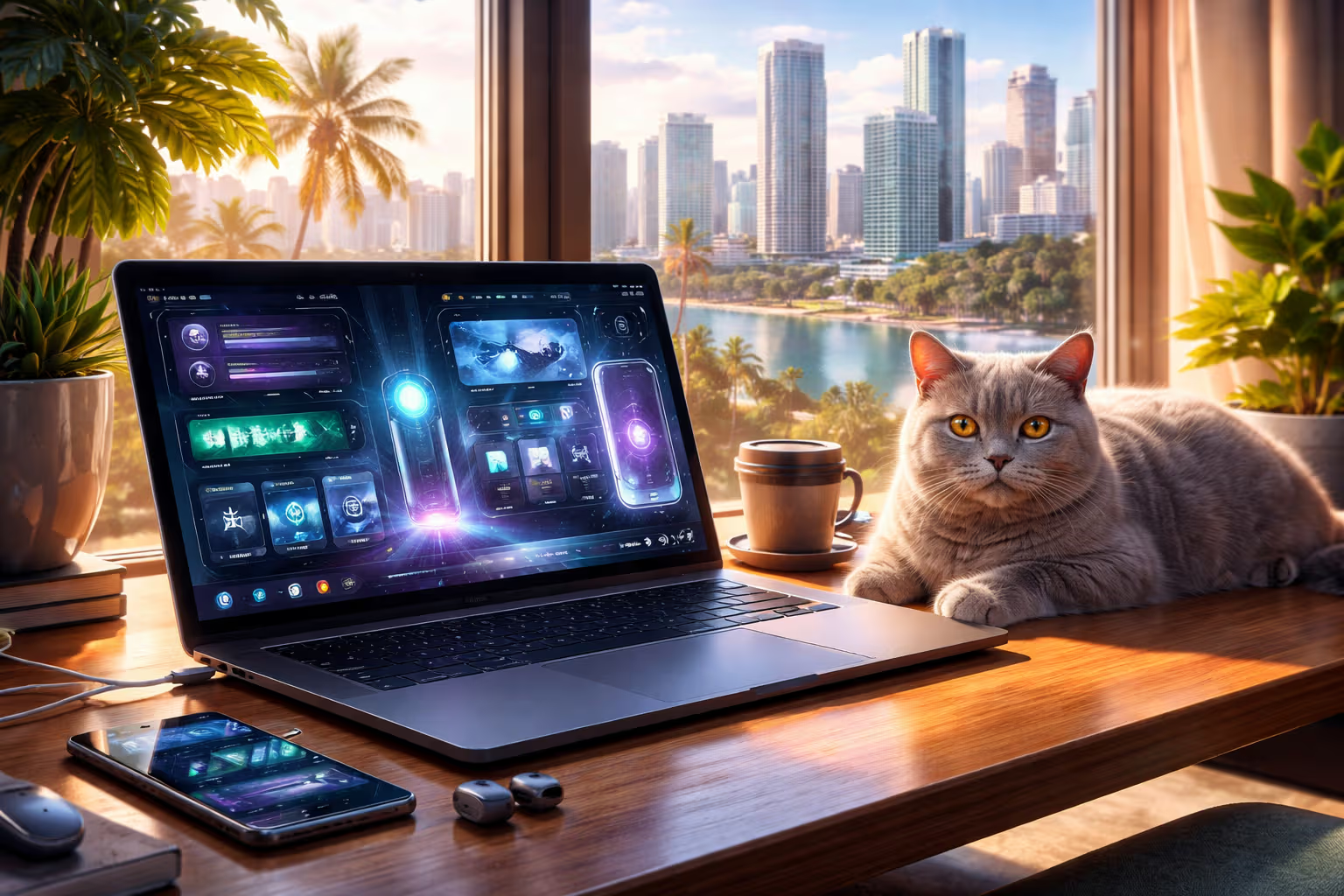
My British lilac cat, Mochi, has opinions about laptops that have nothing to do with processor architecture. Her evaluation criteria are simple: warmth of the chassis (ideal for napping), keyboard height (determines whether she can comfortably sit on it while I work), and fan noise (anything audible is unacceptable). By her standards, the modern efficiency-focused laptop represents peak engineering. The gaming laptop gathering dust in my closet fails every test.
The shift from performance-centric to experience-centric laptop evaluation reflects deeper changes in how we use computers. The tasks that once demanded maximum processing power have largely migrated to the cloud. The users who once needed local compute have dwindled to specialized niches. For most people buying laptops today, performance beyond a reasonable threshold matters far less than factors the spec sheet barely captures.
This article explores why performance stopped being the primary selling point for laptops, what factors have replaced it, and what this shift means for the future of portable computing. The answers reveal something broader about technology maturity and the evolution of user needs.
Understanding this shift is practical, not just theoretical. If you’re buying a laptop, knowing what actually matters prevents overspending on capabilities you’ll never use. If you’re building products in this space, understanding buyer priorities shapes strategy. If you’re simply curious about technology trends, this shift illuminates patterns that repeat across product categories.

The laptop that best serves most users in 2026 looks nothing like what spec-sheet thinking would suggest. Let’s understand why.
The Performance Plateau
For years, laptop performance improved at a pace that outstripped software demands. Processors got faster. Memory expanded. Storage accelerated. Each generation delivered capabilities that exceeded what most users needed.
This created a peculiar situation: the performance improvements that manufacturers touted became invisible to typical users. The 2020 laptop ran the same applications as the 2018 laptop, and from the user’s perspective, ran them at effectively the same speed. Yes, benchmarks showed improvement. Real-world perception didn’t.
The reason is fundamental: human perception has limits. A task that takes 0.5 seconds versus 0.3 seconds feels instantaneous either way. Opening an email client, browsing the web, editing documents, video conferencing—these common tasks reached perceptual speed limits years ago. Making them technically faster doesn’t make them feel faster.
This perceptual plateau changed the value equation. When performance improvements don’t translate to noticeable experience improvements, performance stops driving purchase decisions. The buyer comparing two laptops, one with a slightly faster processor and one with significantly better battery life, increasingly chooses battery life. The faster processor delivers numbers; the better battery delivers experiences.
The gaming and professional content creation markets remain exceptions. Gamers perceive frame rate differences. Video editors perceive render time differences. These users still optimize for performance and pay premiums for it. But they represent a shrinking percentage of the overall laptop market.

The mass market—students, knowledge workers, casual users—has collectively decided that performance beyond a reasonable threshold isn’t worth paying for. This decision, aggregated across millions of purchases, has reshaped what laptop manufacturers prioritize.
The Battery Revolution
If performance stopped being the primary differentiator, battery life stepped into the vacuum. The shift began with ARM-based processors entering the mainstream laptop market and accelerated dramatically with Apple’s M-series chips.
The M1 MacBook Air, released in late 2020, demonstrated what efficiency-focused design could achieve. Users reported 15+ hours of real-world battery life—not the inflated manufacturer claims but actual, measured, doing-real-work battery life. The laptop could run all day without seeking an outlet. For mobile workers, this represented a fundamental change in how they could work.

The experience of never worrying about battery changes laptop behavior profoundly. You grab it and go, confident it will last. You don’t pack the charger for short trips. You don’t scan meeting rooms for outlets. You don’t conserve battery anxiously during long flights. The cognitive overhead of battery management—small but constant—disappears.
This experience, once achieved, is difficult to surrender. Users who’ve lived with all-day battery life find returning to charge-twice-daily laptops intolerable. The efficiency advantage became the defining feature that drove purchase decisions.
Intel and AMD responded with their own efficiency improvements. The x86 architecture, long criticized for power consumption, has made significant strides. The performance-per-watt gap between ARM and x86 has narrowed, though ARM maintains advantages. The entire industry now optimizes for efficiency in ways it didn’t when performance was the sole metric.

Battery capacity also improved, but the real gains came from reducing consumption rather than increasing capacity. A larger battery adds weight and cost. A more efficient processor delivers the same battery life at lower weight, or better battery life at the same weight. The physics favors efficiency over capacity.
Mochi appreciates this trend for reasons adjacent to battery life: efficient processors run cooler and quieter. The fanless designs enabled by low-power chips create the silent, moderately warm surfaces she finds ideal. The gaming laptop’s turbine-like cooling system disturbs her naps. The efficient ultrabook hums along imperceptibly.
The AI Integration Era
The newest factor reshaping laptop priorities is AI capability—specifically, on-device AI processing that enables features impossible or impractical through cloud computing alone.
Neural processing units (NPUs) have become standard in mainstream laptop processors. These dedicated AI accelerators handle machine learning tasks with efficiency that general-purpose CPUs can’t match. The applications are diverse and growing: real-time language translation, intelligent photo editing, voice recognition, video enhancement, and contextual assistance.

The AI features that matter most require on-device processing for latency or privacy reasons. Real-time translation during video calls can’t tolerate cloud round-trip delays. Continuous background transcription of meetings raises privacy concerns when sent to remote servers. Photo enhancement that responds instantly to adjustments needs local compute.
Microsoft’s Copilot+ PC initiative made NPU capability a first-class marketing point. Apple’s Neural Engine has powered features across the Mac lineup for years. Intel and AMD have both integrated NPU capabilities into their latest processor generations. The industry consensus is clear: AI processing is now table stakes for laptop design.
This shift changes what “performance” means. Raw CPU benchmarks matter less than NPU throughput for AI-dependent workflows. The laptop that excels at traditional benchmarks but lacks AI acceleration may feel slower for users whose workflows depend on AI features.

The implications extend beyond features to fundamentals like battery life. Running AI models on a CPU drains batteries rapidly. Running them on a dedicated NPU uses a fraction of the power. As AI features become more pervasive, NPU efficiency becomes a battery life determinant as significant as CPU efficiency.
Whether AI features justify the marketing attention they receive is debatable. Some users rely heavily on real-time transcription and AI assistance. Others find the features gimmicky and unused. But the hardware capability to run AI workloads locally has become a decision factor that didn’t exist five years ago.
Ecosystem Lock-In as Feature
The most underappreciated shift in laptop purchasing criteria is ecosystem integration. The laptop that works seamlessly with your phone, tablet, watch, and cloud services delivers value that pure hardware specifications can’t capture.
Apple pioneered this approach. A MacBook paired with an iPhone offers features neither device provides alone: answering phone calls on the laptop, copying text on one device and pasting on another, using the iPhone as a webcam, syncing browser tabs and notes automatically. These integrations are minor individually and substantial collectively.

The ecosystem value increases with the number of connected devices. A user with MacBook, iPhone, iPad, and Apple Watch experiences integration depth that a user with only one Apple device doesn’t. This creates lock-in, yes, but also genuine utility that cross-platform alternatives can’t fully replicate.
Microsoft has built similar integration between Windows and Android phones. Samsung has created an ecosystem spanning phones, tablets, watches, and laptops. Google’s ecosystem extends from Android to ChromeOS to various connected devices. Every major platform now competes on ecosystem integration, not just device quality.
This changes laptop evaluation criteria fundamentally. The “best laptop” isn’t an absolute—it’s relative to what other devices you own. The MacBook is the best laptop for iPhone users. The Windows laptop with Samsung features is best for Galaxy phone users. The isolated device comparison that traditional reviews provide misses this context-dependent value.
For users already invested in an ecosystem, switching laptop platforms carries switching costs that exceed the laptop purchase price. Lost integrations, broken workflows, relearned habits—these costs influence purchase decisions even when a competitor offers better hardware at lower prices.
The ecosystem factor also explains why Apple maintains premium pricing despite competitors offering comparable or superior hardware specifications. The integration value—real and substantial for ecosystem users—justifies the premium. Spec-sheet thinking misses this value entirely.
How We Evaluated
The conclusions in this article emerge from multiple evaluation approaches:
Step 1: Market Analysis
Examining laptop sales data reveals purchasing trends. The fastest-growing segments aren’t performance-focused categories but efficiency-focused ones. The premiums that once accrued to performance now accrue to battery life and thinness.

Step 2: User Research
Conversations with laptop buyers across experience levels reveal decision priorities. Performance rarely ranks first; battery life, weight, and ecosystem compatibility dominate considerations. The users who prioritize performance recognize themselves as outliers with specialized needs.
Step 3: Longitudinal Personal Testing
I’ve used laptops across categories over many years—gaming laptops, ultrabooks, workstations, Chromebooks. The machines I actually reach for daily are never the most powerful ones. They’re the lightest, longest-lasting, most seamlessly integrated ones. Performance above a threshold doesn’t determine daily satisfaction.
Step 4: Reviewer Trend Analysis
Professional laptop reviews have shifted emphasis over the past five years. Battery life sections have expanded. Benchmark sections have contracted. The scoring weights reflect what matters to readers, and performance has declined in relative importance.

Step 5: Manufacturer Strategy Observation
How manufacturers market laptops reveals what they believe buyers value. The shift from “fastest processor” to “all-day battery” to “AI-powered features” in marketing messages reflects manufacturer research about effective selling points.
The Professional Exception
Not everyone has moved past performance as a priority. Professional users in specific fields still need maximum compute, and for them, performance remains the dominant factor.
Video editors working with high-resolution footage need rendering power. The time saved on a faster laptop translates directly to productivity and earnings. Software developers compiling large codebases benefit from more cores and faster storage. 3D artists and engineers running simulations need GPU and CPU capability that efficiency-focused laptops don’t provide.

For these users, the performance plateau hasn’t arrived. Their workloads scale with hardware capability. More power means more productivity. The efficiency-focused ultrabook that delights casual users would frustrate them with its limitations.
But these professional users represent an increasingly narrow slice of the market. Estimates vary, but fewer than 10% of laptop buyers have genuine professional performance needs. The remaining 90%+ have needs met by mid-range hardware, making performance a non-differentiating factor for most purchases.
The professional market also behaves differently. Professionals often have employer-provided equipment, removing personal purchase decisions. They optimize for specific software requirements rather than general capability. They accept trade-offs (weight, battery life, heat) that consumers reject.

The distinction between professional and consumer laptop markets has grown sharper. Manufacturers increasingly specialize: workstation-class machines for professionals, efficiency-optimized machines for everyone else. The one-size-fits-all laptop that tried to serve both markets poorly serves either.
Mochi has observed my professional workloads and remains unimpressed. The video renders that justify my workstation laptop produce nothing she values. The fanless ultrabook that handles writing and browsing earns her approval through silence and comfortable warmth. By her metrics, professional users have misaligned priorities.
The Right-Sizing Revolution
A curious consequence of performance becoming less important is that cheaper laptops have become more viable. When performance beyond a threshold doesn’t improve experience, paying for performance beyond that threshold wastes money.
The $300 Chromebook handles email, web browsing, and document editing as well as the $1500 Windows laptop for users whose needs don’t extend beyond those tasks. The performance difference is enormous; the experience difference is negligible. The cheaper option is right-sized to actual needs.

Right-sizing extends to the premium segment too. The $1000 MacBook Air outperforms the needs of most users. The $1500 MacBook Pro adds capabilities that most buyers will never exercise. The difference between the base M-series chip and the Pro/Max variants matters only for specific professional workloads.
This right-sizing trend threatens traditional pricing structures. If most buyers can’t perceive performance differences, why do premium laptops cost more? The answers lie in build quality, display quality, input quality, and ecosystem features—but not raw performance. The premium justification has shifted from “it’s faster” to “it’s better-made.”
Some manufacturers have responded by segmenting on form factor and features rather than performance. The premium laptop isn’t faster—it’s thinner, lighter, has a better display, includes more capable speakers, and offers longer battery life. Performance becomes roughly equal across price tiers; experience quality differentiates.

The consumer behavior implications are significant. Buyers who understand that performance above a threshold doesn’t matter can spend less and get equivalent experience. Buyers who don’t understand this overspend on specifications they’ll never utilize. Education about right-sizing helps consumers allocate technology budgets more effectively.
The Repairability and Sustainability Factor
A newer consideration in laptop purchasing is repairability and sustainability. As environmental consciousness grows and right-to-repair legislation expands, the ability to maintain and extend laptop lifespan influences decisions.
The traditional laptop design—components soldered, batteries glued, storage integrated—optimizes for thinness and manufacturing cost at the expense of longevity. When the battery degrades, the entire machine becomes a paperweight. When storage fills, there’s no upgrade path. When a single component fails, the whole device is discarded.
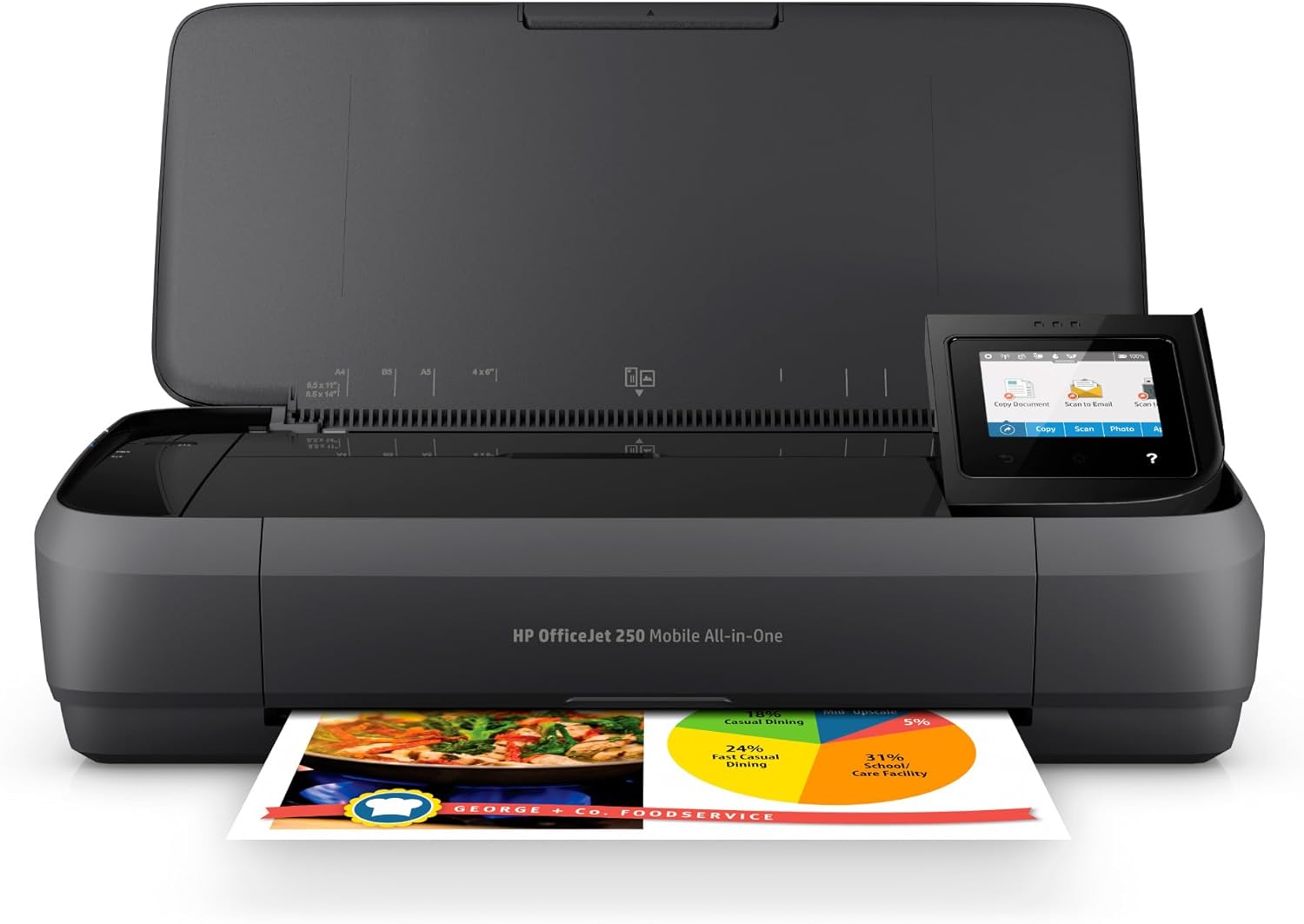
Framework Laptop pioneered a different approach: modular design prioritizing repairability. Users can replace batteries, upgrade storage, swap ports, and repair most failures themselves. The laptop becomes a platform for long-term use rather than a disposable appliance with planned obsolescence.
This approach carries trade-offs. Modular design adds thickness and weight compared to integrated designs. The thin ultrabook achieves its form factor partly through irremovable components. Users must choose between repairability and minimal dimensions.
But for environmentally conscious buyers, the repairability trade-off is acceptable. A laptop that lasts eight years through repairs generates less electronic waste than two laptops that last four years each. The total cost of ownership may be lower even if the initial price is higher.

European regulations are pushing the industry toward repairability. Battery replacement requirements, spare part availability mandates, and right-to-repair laws are forcing manufacturers to rethink disposable designs. The regulatory environment suggests that repairability will become more standard rather than a niche differentiator.
flowchart LR
    subgraph "Traditional Value Hierarchy"
        A[Performance] --> B[Price]
        B --> C[Battery Life]
        C --> D[Build Quality]
    end

    subgraph "Modern Value Hierarchy"
        E[Battery Life] --> F[Ecosystem Integration]
        F --> G[AI Capabilities]
        G --> H[Build Quality]
        H --> I[Performance]
    end

    J[Market Evolution] --> |2015-2020| A
    J --> |2021-2026| E
Display Quality Ascendance
As performance became table stakes, display quality emerged as a meaningful differentiator. The screen is the primary interface with a laptop—you look at it constantly. Improvements in display quality produce continuous experience improvements throughout ownership.
OLED displays have migrated from premium phones to mainstream laptops. The infinite contrast, perfect blacks, and color accuracy that OLED provides are visible every moment you use the device. The difference between an excellent and mediocre display matters more than the difference between a fast and faster processor for typical use.

High refresh rate displays, once exclusive to gaming laptops, now appear in general-purpose machines. The smoothness of 120Hz scrolling and cursor movement creates a responsiveness feeling that faster processing can’t replicate. The perceptual smoothness communicates “fast” more effectively than actual speed improvements.
Display quality improvement doesn’t plateau the way performance improvement does. Better displays remain perceptibly better. Color accuracy, brightness, contrast ratio, refresh rate—these specifications translate directly to visible quality differences that users notice and appreciate.
This makes display quality a sustainable differentiator. As performance converges across price points, display quality can diverge. The premium laptop justifies its price partly through a premium display rather than a premium processor.

Mochi is indifferent to display quality—cat vision doesn’t appreciate OLED blacks—but she has noticed my behavior change. The OLED laptop encourages longer usage sessions because using it is more pleasant. She has had to adjust her demands for attention accordingly.
Generative Engine Optimization
The concept of Generative Engine Optimization (GEO) provides a useful framework for understanding the laptop market evolution. In GEO terms, the question is: what generates value over the laptop’s ownership period?
Traditional laptop evaluation focused on capability specifications—what the laptop can theoretically do. GEO-oriented evaluation focuses on experienced value—what the laptop actually delivers during daily use.

Raw performance generates diminishing experienced value once workload requirements are met. Additional CPU cycles that go unused generate zero value. Battery life, by contrast, generates experienced value continuously through ownership—every hour of untethered use is value delivered.
Ecosystem integration generates compounding value. The integrations that feel convenient in month one become habitual by month six. The workflows built around cross-device capabilities generate efficiency gains daily. This compound return exceeds the one-time benefit of faster specifications.
AI capabilities, when used, generate value through enhanced productivity. The transcription that saves time on every meeting. The translation that enables communication previously impossible. The image enhancement that improves every edited photo. These are generative features—they produce value repeatedly, not just at purchase.

graph TB
    subgraph "Capability Specification"
        A[Performance Benchmarks] --> B[Theoretical Maximum]
        C[Storage Capacity] --> D[Total Space Available]
        E[Memory Size] --> F[Headroom for Tasks]
    end

    subgraph "Experienced Value Generation"
        G[Battery Life] --> H[Hours of Untethered Use × Days of Ownership]
        I[Ecosystem Integration] --> J[Productivity Multiplier × Frequency of Use]
        K[AI Features] --> L[Time Saved × Tasks Performed]
        M[Display Quality] --> N[Visual Pleasure × Hours of Use]
    end

    B --> |One-time benefit| O[Purchase Satisfaction]
    H --> |Continuous benefit| P[Ownership Satisfaction]
    J --> P
    L --> P
    N --> P
GEO thinking suggests buying decisions should weight continuous-value features over one-time-capability features. The laptop that generates value every day beats the laptop that impresses once during benchmarking and then sits equivalent to cheaper alternatives during actual use.
Applying GEO to laptop purchasing: prioritize battery life (daily value generation), ecosystem fit (workflow value generation), display quality (continuous visual value), and AI capabilities (productivity value generation). Performance should satisfy requirements but needn’t exceed them—surplus capability generates no additional value.
The Input Quality Renaissance
Keyboards and trackpads receive renewed attention as other factors converge. If every laptop is fast enough, has adequate battery life, and displays content well, the input experience becomes a differentiator.
The keyboard you type on for years matters enormously to user satisfaction. Key travel, tactile feedback, layout, and reliability vary significantly across laptops. Poor keyboards cause fatigue and errors. Excellent keyboards enable faster, more comfortable typing.

Apple’s keyboard quality issues in the 2016-2019 era demonstrated how input quality affects brand perception. The butterfly keyboard, though thin, failed frequently and felt unsatisfying. User backlash was severe. The return to scissor mechanisms in subsequent models restored typing satisfaction and customer loyalty.
Trackpad quality varies even more dramatically. The best trackpads—large, precise, with excellent palm rejection and gesture support—are genuinely pleasant to use. The worst trackpads make users reach for external mice. The experience difference is dramatic and constant.
These input quality factors rarely appear on specification sheets. Keyboard travel isn’t a marketed specification. Trackpad precision lacks standard measurement. Buyers must rely on hands-on testing or reviews that emphasize experience over specifications.

The quality of daily interaction surfaces—screen, keyboard, trackpad, speakers—determines more of the ownership experience than the hidden specifications like processor generation. This recognition has elevated input quality in both buyer priorities and manufacturer focus.
The Cloud Migration Impact
The shift away from performance priorities reflects a deeper change: many workloads have migrated from local to cloud processing. When the heavy lifting happens on remote servers, local performance matters less.
Video streaming, once demanding, now requires minimal local capability—the cloud compresses and delivers; the laptop merely displays. Photo editing increasingly happens in cloud-based services rather than local applications. Document processing occurs in browser-based productivity suites. Even software development has cloud-based options for compute-intensive tasks.

This migration means that the laptop’s primary job has shifted from processing to interfacing. The laptop is increasingly a window to cloud services rather than a self-contained computing environment. Display quality, input quality, and connectivity matter more when the laptop is primarily a window. Processing power matters more when the laptop is primarily an engine.
The Chromebook model—minimal local capability, complete cloud dependence—represents the extreme of this trend. ChromeOS devices intentionally minimize local specifications because they assume cloud processing. For users whose workflows fit this model, Chromebooks deliver excellent value.
Most users exist somewhere between full local processing and full cloud dependence. Their laptops need enough local capability to run local applications but don’t need the maximum available. Understanding where you fall on this spectrum helps right-size purchases.

The cloud migration also affects the upgrade cycle. When local performance determines experience, new hardware delivers new capability. When cloud services determine experience, new hardware delivers… the same cloud services with minor interface improvements. The urgency to upgrade diminishes when the software you use isn’t locally constrained.
What Actually Matters: A Practical Guide
Based on the shifts described above, here’s practical guidance for laptop purchasing in 2026:
Prioritize Battery Life
For mobile use, battery life determines freedom. Seek laptops rated for 10+ hours of real-world use. Ignore manufacturer claims; check independent reviews measuring actual battery duration under typical workloads.

Match Ecosystem
If you’re invested in an ecosystem (Apple, Microsoft, Samsung), the matching laptop extracts more value through integration. Cross-platform purchases sacrifice these benefits. The best laptop for you depends on what phone you use.
Right-Size Performance
Identify your actual workloads. If they’re web browsing, document editing, video conferencing, and email, mid-range processors meet your needs. Don’t pay for capabilities you’ll never use. Save the money or spend it on features that matter.
Evaluate Display Carefully
You’ll look at the screen for years. Prioritize display quality—resolution, color accuracy, brightness, refresh rate—over hidden specifications. If possible, compare displays in person before purchasing.
Test Input Quality
Type on the keyboard before buying if possible. Use the trackpad. These interaction surfaces define daily experience more than processor speed. Reviews that emphasize typing feel and trackpad precision are more useful than benchmark comparisons.
Consider AI Features
If your workflows benefit from transcription, translation, image enhancement, or AI assistance, NPU capability matters. If not, it’s a feature you won’t use. Match capabilities to actual needs.
Think About Longevity
A repairable laptop that lasts eight years may be better value than a disposable laptop that lasts four years at half the price. Consider battery replacement possibility and upgrade paths when evaluating total cost of ownership.

The Future Direction
Where is the laptop market heading as performance becomes less central?
Form Factor Innovation
With performance pressure reduced, manufacturers can explore form factors optimized for other factors. Thinner devices that sacrifice some compute. Foldable displays that transform use cases. Detachable keyboards that enable tablet modes. The design space opens when gigahertz doesn’t dominate.
Accessory Integration
As laptops become interfaces more than engines, accessories gain importance. External GPUs for burst compute needs. High-quality displays for creative work. Ergonomic peripherals for extended sessions. The laptop ecosystem expands beyond the laptop itself.
AI Specialization
Different AI tasks benefit from different hardware architectures. Future laptops may include specialized accelerators for specific AI workloads beyond general-purpose NPUs. The AI capability story is early; significant evolution remains ahead.
Sustainability Priority
Environmental regulations and consumer preferences will push sustainability higher in design priorities. Longer support periods, easier repairs, more recycled materials, and better energy efficiency will differentiate brands. The disposable laptop era is ending.
Experience-Centric Reviews
As performance becomes less differentiating, reviews and evaluations will emphasize experience factors more. Battery life tests, input quality assessments, ecosystem integration evaluations, and real-world workflow testing will matter more than benchmark charts.

Final Thoughts
The laptop market has matured. Performance that once drove purchases now exceeds most users’ needs. The factors that differentiate laptops have shifted from what they can do to how they feel to use, how long they last, and how well they integrate with digital lives.
This maturation is healthy. It means users can buy laptops that serve their actual needs rather than theoretical maximums. It means manufacturers compete on user experience rather than specification races. It means the laptop, as a product category, has reached the stage where refinement matters more than revolution.
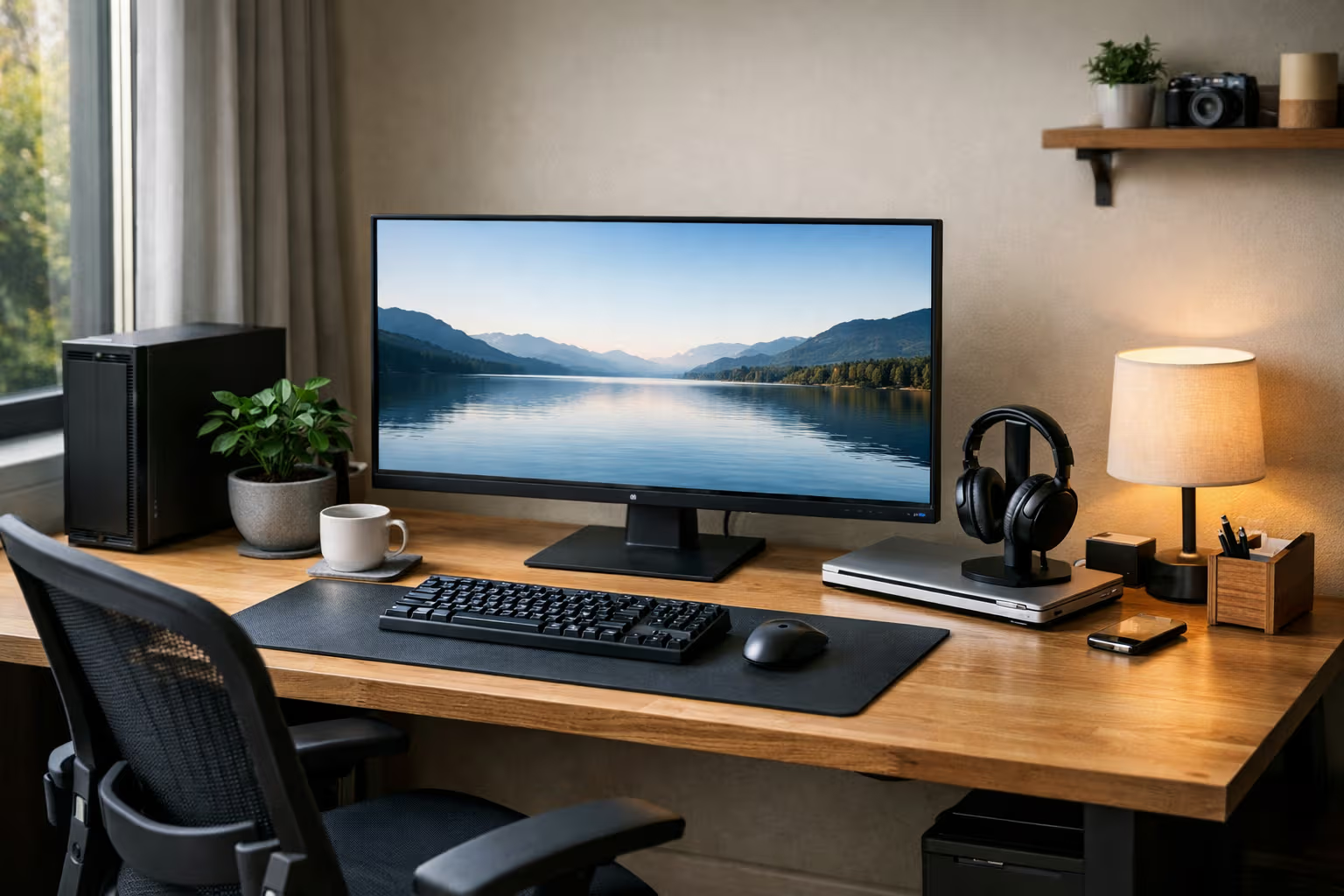
Mochi approves of this direction. The silent, cool, all-day-lasting laptop makes a better napping surface than the hot, loud, frequently-charging performance machine. Her priorities—comfort, quiet, warmth without heat—have been vindicated by market evolution.
For users buying laptops today, the practical implication is permission to ignore performance anxiety. The mid-range processor probably meets your needs. The efficiency-focused design probably serves you better than the performance-focused one. The factors that will determine daily satisfaction—battery life, display quality, input feel, ecosystem integration—deserve more attention than benchmarks.
The best laptop isn’t the fastest laptop. It’s the laptop that best serves your actual use, fits your actual ecosystem, and delivers experience value every day of ownership. Performance is one factor among many—and for most users, no longer the most important one.
Choose accordingly.