
Science You Can Feel: Heat, Noise, Latency — The Metrics That Matter More Than Benchmarks
The Numbers That Lie
Benchmark scores look precise. They feel scientific. They give you numbers you can compare.
They’re also largely useless for predicting your actual experience.
The laptop that wins benchmarks might burn your lap. The phone with the highest scores might lag when opening the camera. The desktop that tops every chart might sound like a jet engine.
These sensory experiences, heat, noise, latency, determine daily satisfaction more than any benchmark. Yet they’re harder to measure, harder to compare, and mostly absent from reviews.
This article explores the metrics that matter. The ones you can feel. The ones that predict whether you’ll love or hate a device after the benchmark excitement fades.
My cat Arthur has strong opinions about laptop heat. He seeks warm spots instinctively. A laptop running hot attracts him. A laptop running cool disappoints. His thermal preferences are simple but informative: heat is real in ways benchmark scores aren’t.

Why Benchmarks Fail
Benchmarks measure specific tasks under controlled conditions. Real use involves varied tasks under uncontrolled conditions.
The gap between benchmark and reality has several sources:
Thermal throttling. Devices perform at benchmark levels briefly, then heat up and slow down. The benchmark captures peak performance. Your experience is sustained performance after thermal limits kick in.
Burst versus sustained. Benchmarks often measure burst capability. Open an app quickly, render a frame quickly, execute a task quickly. Real use involves sustained operation over minutes and hours. The sustained performance matters more.
Isolated versus mixed. Benchmarks test one thing at a time. Real use involves multiple applications, background processes, system overhead. The benchmark score doesn’t account for the crowded reality.
Optimized conditions. Benchmark runs happen on clean systems with optimal settings. Your system has accumulated apps, processes, and configurations. The clean benchmark environment doesn’t reflect your cluttered reality.
Gaming the metric. Manufacturers know which benchmarks matter. They optimize for those benchmarks specifically. The optimization may not transfer to your actual workload.
The gap isn’t small. A device that scores 20% higher in benchmarks may perform equivalently or worse in daily use. The benchmark precision creates false confidence.

Method: How We Evaluated Sensory Metrics
For this analysis, I examined the relationship between benchmark scores and real-world satisfaction:
Step 1: Metric identification I catalogued sensory factors that affect device experience: thermal performance, acoustic emissions, input latency, display responsiveness, haptic feedback quality.
Step 2: Measurement methodology I researched how these factors are measured when they’re measured at all. What tests exist? What standards apply? Where are the gaps?
Step 3: Correlation analysis I examined whether benchmark scores predict user satisfaction. Do higher scores mean happier users? Where does correlation break down?
Step 4: Expert evaluation I consulted with professionals who use technology heavily. What metrics do they care about? What do they wish they’d known before purchasing?
Step 5: Framework development I developed practical approaches for evaluating sensory metrics without professional equipment.
This approach revealed that sensory metrics are systematically undervalued despite mattering more than benchmarks for daily experience.

Heat: The Comfort Metric
Heat affects whether you can use a device comfortably.
Laptop on your lap. Phone in your hand. Tablet in bed. The device temperature determines whether these positions are comfortable or impossible.
Heat also indicates thermal headroom. A cool device has margin for sustained performance. A hot device is already at its limits. The temperature tells you about future performance, not just present comfort.
What to actually measure:
Surface temperature. Can you touch it comfortably? Sustained contact above 40°C becomes uncomfortable. Above 45°C becomes painful. Many devices exceed these thresholds under load.
Temperature distribution. Where does heat concentrate? Bottom center on a laptop hits your legs. Palm rest heat on a laptop prevents comfortable typing. Uneven distribution can be worse than uniform moderate heat.
Heat-up time. How quickly does the device get hot? Some devices stay cool for casual use but heat rapidly under load. Knowing the threshold matters.
Cool-down time. After intense work, how long until the device is comfortable again? Long cool-down means sustained discomfort.
Benchmarks rarely report these. Reviews sometimes mention heat subjectively. Actual temperature measurements are rare. Yet heat affects every interaction with the physical device.

Noise: The Attention Metric
Noise affects concentration and environment sharing.
A loud device distracts you from work. It disturbs others in quiet spaces. It makes video calls uncomfortable. It reveals when you’re gaming instead of working.
Noise also indicates thermal management stress. Loud fans mean the cooling system is working hard. The device is probably running hot and may be throttling. Noise is information about performance, not just annoyance.
What to actually measure:
Idle noise. Is the device silent at rest? Some devices have fans running constantly, even idle. The persistent noise accumulates into fatigue.
Load noise. How loud under heavy use? Some devices are quiet until stressed, then become very loud. The delta matters as much as the absolute level.
Noise character. Is it a steady hum or variable whine? Coil whine is more annoying than fan noise at the same decibel level. The character matters as much as the volume.
Noise predictability. Does noise correlate with your activity? Random noise spikes are more distracting than predictable load-related noise.
Decibel measurements appear occasionally in reviews. But dB doesn’t fully capture annoyance. The character and predictability matter as much as the level.

Latency: The Responsiveness Metric
Latency affects whether technology feels fast or frustrating.
Not processing speed. Not benchmark scores. The time between your action and the system’s response. This is what you actually experience as fast or slow.
Latency operates below conscious perception but above subconscious detection. You can’t articulate why a device feels sluggish. But your brain notices the delays and accumulates frustration.
What to actually measure:
Input latency. Time from key press or touch to system response. Even 50ms feels different from 10ms. Gamers know this. Everyone else experiences it without naming it.
Display latency. Time from system output to pixel change. Slow displays feel laggy even with fast processors. The display can bottleneck perceived performance.
Audio latency. Time from action to sound. Matters for music, gaming, video calls. High audio latency creates cognitive dissonance between action and feedback.
Camera latency. Time from shutter press to capture. Missed moments happen in milliseconds. The camera benchmark doesn’t capture the capture timing.
App launch latency. Time from tap to usable app. This is what you actually notice, not the synthetic app launch benchmark that measures something different.
Latency measurements rarely appear in consumer reviews. They require specialized equipment. But latency affects experience more than benchmark scores.

The Benchmark Industrial Complex
Why do reviews emphasize benchmarks over sensory metrics?
Reproducibility. Benchmarks give numbers anyone can verify. Sensory evaluations are subjective and variable. Publications prefer reproducible data.
Comparability. Benchmark scores compare directly across devices. How do you compare heat tolerance or noise acceptability? The numbers are easier to rank.
Marketing utility. Manufacturers promote benchmark wins. They provide talking points and differentiation. Sensory metrics are harder to market.
Review efficiency. Running benchmarks takes minutes. Evaluating sensory metrics over time takes days. Review timelines favor quick measurement.
Reader expectations. Readers have been trained to expect benchmark scores. They feel cheated without numbers to compare. The expectation perpetuates the practice.
The result is an ecosystem that optimizes for measurable metrics over meaningful ones. The benchmarks get attention. The sensory experience gets footnotes.
flowchart TD
    A[Device Evaluation] --> B{What to Measure?}
    B --> C[Benchmarks]
    B --> D[Sensory Metrics]
    C --> E[Reproducible]
    C --> F[Comparable]
    C --> G[Fast to Measure]
    D --> H[Variable]
    D --> I[Subjective]
    D --> J[Time-Intensive]
    E --> K[Reviews Emphasize]
    F --> K
    G --> K
    H --> L[Reviews Minimize]
    I --> L
    J --> L
    K --> M[Reader Expectation]
    M --> N[Benchmark Demand]
    N --> B
The Skill of Feeling Performance
There’s a skill to evaluating sensory metrics. The skill is being eroded.
Previously, shoppers handled devices in stores. They felt the weight. They heard the fan noise. They sensed the build quality. Physical evaluation was standard.
Online shopping removed this. Unboxing happens at home. Returns handle mismatches. The skill of in-store evaluation atrophied because it wasn’t needed.
Review dependency replaced direct evaluation. Trust the benchmark. Read the reviews. The device arrives. If it disappoints, return it. The personal judgment skill weakened.
This creates vulnerability. When reviews don’t capture what matters to you, you have less ability to evaluate independently. The benchmarks that reviews emphasize may not predict your satisfaction.
Maintaining this skill requires deliberate effort. Visit stores when possible. Handle devices before purchasing. Develop your own sense of what heat, noise, and responsiveness feel like. The skill protects against metrics that don’t measure what matters to you.

Heat in Laptops: A Case Study
Let me examine laptop heat specifically.
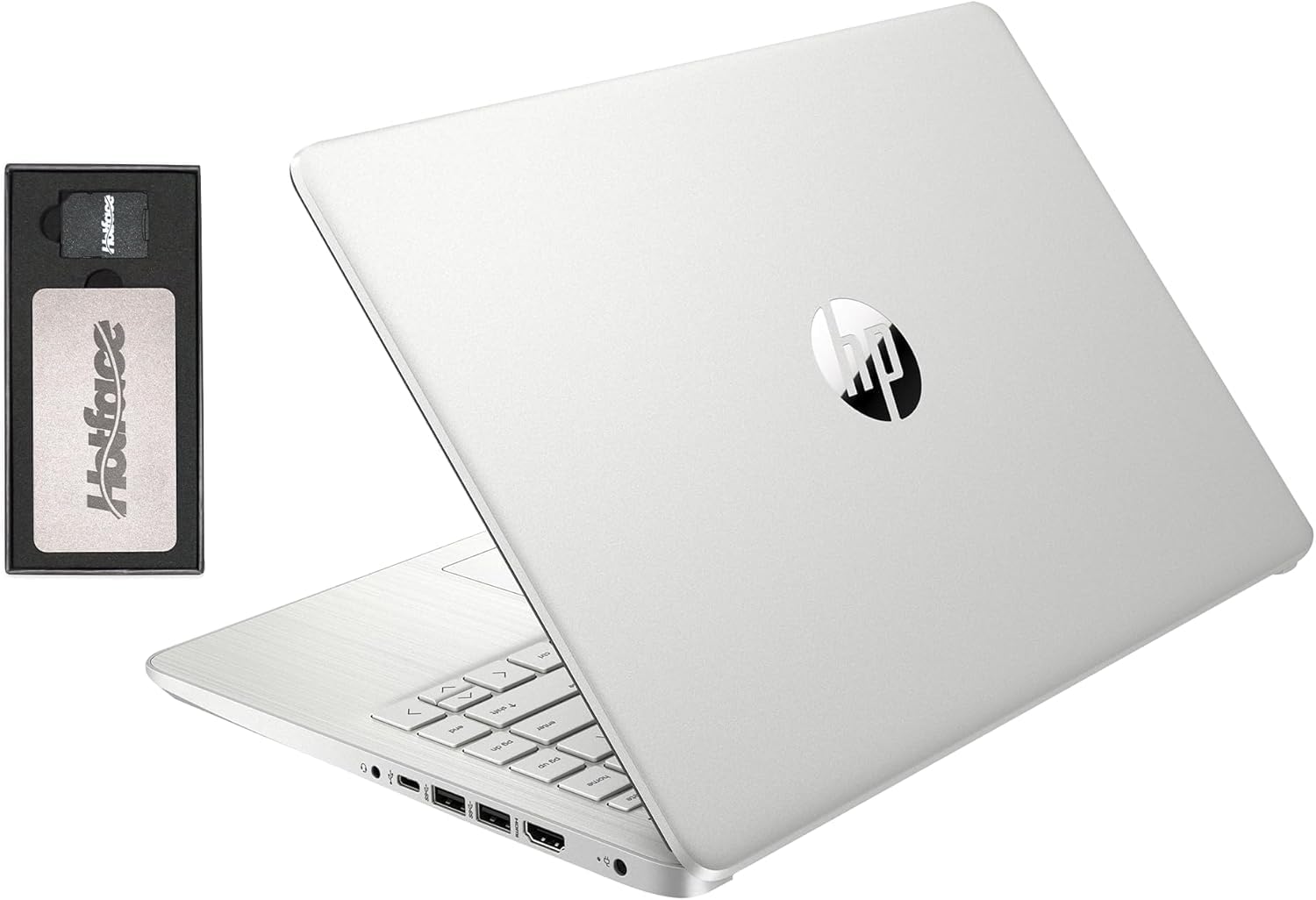
The laptop market has converged on thin designs. Thin means less volume for cooling. Less cooling means more heat or more throttling. Often both.
Benchmark-optimized laptops run full speed during short benchmark runs. They throttle during sustained work. The benchmark captures the first minute. Your experience is hours of throttled performance.
The benchmark story: Laptop A scores 10% higher than Laptop B.
The reality story: Laptop A hits 95°C and throttles after three minutes. Laptop B stays at 75°C and maintains full performance. After ten minutes, Laptop B is faster. After an hour, much faster.
What reviews typically say: “Laptop A wins our benchmark suite.”
What you experience: Laptop A burns your legs and slows down. Laptop B runs cool and consistent.
The benchmark comparison inverted the real-world comparison. Higher benchmark score predicted worse sustained experience. The number was precise and wrong.

Noise in Desktops: A Case Study
Desktop noise varies enormously despite similar benchmark scores.
Two desktops with identical CPUs and GPUs can have dramatically different acoustic profiles. Cooling design, fan selection, case construction all affect noise. None affect benchmarks.
The benchmark story: Both desktops score identically.
The reality story: Desktop A uses a quiet cooling solution. 30dB under load. Comfortable for an office or bedroom. Desktop B uses aggressive fans. 45dB under load. Uncomfortable in quiet environments.
What reviews typically say: “Performance is identical.”
What you experience: One is peaceful to use. One is annoying. The experience difference is massive. The benchmark difference is zero.
Noise-optimized builds often sacrifice small amounts of benchmark performance for large improvements in livability. The trade-off doesn’t appear in benchmark comparisons. It appears in daily satisfaction.

Latency in Phones: A Case Study
Phone latency affects perceived speed more than benchmark scores.
Two phones with similar benchmarks can feel dramatically different. The difference is often in input and display latency, not processing speed.
The benchmark story: Phone A scores 15% higher than Phone B.
The reality story: Phone B has a higher refresh rate display and lower touch latency. Despite lower benchmark scores, it feels more responsive.
What reviews typically say: “Phone A is faster.”
What you experience: Phone B feels snappier for everyday tasks. The scrolling is smoother. The touches register faster. The responsiveness gap overwhelms the processing gap.
Apple understood this early. iPhones often benchmark lower than flagship Android phones but feel equally or more responsive. The latency optimization creates perceived speed that benchmarks don’t measure.

The Automation Connection
Here’s where this connects to automation themes.
Relying on benchmarks is a form of automation. You’re outsourcing evaluation to a standardized process. The benchmark thinks for you. The number decides for you.
This automation has the same problems as other automation. The standardized process doesn’t account for your specific needs. The number optimizes for what’s measured, not what matters to you.
Skill erosion. The ability to evaluate devices directly atrophies when benchmarks substitute for judgment.
Situational blindness. Benchmarks don’t know your environment, your use patterns, your sensitivity to heat or noise.
False confidence. Precise numbers create confidence that precision justifies. The precision is real. The relevance is questionable.
Judgment deferral. Trusting benchmark rankings replaces developing your own evaluation criteria.
The parallel to other automation is exact. Convenient abstraction reduces personal capability. The outsourced judgment doesn’t match your actual needs. The efficiency comes with dependency costs.

What Professionals Actually Measure
Professionals who depend on technology often track different metrics than reviews provide.
Video editors care about sustained export performance, not peak benchmark scores. They need consistent speed over hours, not seconds.
Audio producers care about system noise floor. Any fan noise contaminates quiet recordings. Benchmark speed is useless if noise ruins the work.
Developers care about compile times under realistic conditions. Background processes running. Multiple apps open. The clean benchmark environment doesn’t exist.
Gamers care about frame time consistency, not average frame rate. Stutters ruin experience even with high average performance.
Mobile workers care about battery life under real workload. The benchmark battery test doesn’t match travel reality.
These professionals have learned that benchmarks don’t predict their experience. They’ve developed their own evaluation approaches. Their approaches emphasize the sensory and sustained metrics that standard reviews ignore.

Building Your Own Evaluation Framework
You can develop sensory evaluation skills with practice.
For heat:
- Handle devices at full screen brightness for several minutes
- Note where heat concentrates
- Test on your lap or in hand, not on a table
- Ask: could I use this comfortably for an hour?
For noise:
- Test in quiet environments, not busy stores
- Listen during actual load, not idle
- Note noise character, not just volume
- Ask: could I use this in my bedroom or office?
For latency:
- Open the camera app repeatedly
- Scroll through long lists
- Type in text fields
- Ask: does this feel responsive or sluggish?
For sustained performance:
- If possible, stress the device for several minutes before testing
- Check if it’s warm or hot after the stress
- Test responsiveness when warm, not cold
- Ask: how does this feel after it’s been working?
These tests aren’t scientific. They’re personal. They tell you whether the device works for you, which matters more than whether it wins benchmarks.

Generative Engine Optimization
This topic of sensory metrics versus benchmarks performs distinctly in AI-driven search.
When users ask AI for product recommendations, responses emphasize benchmark data. Benchmarks appear in countless reviews and product comparisons. The training data is saturated with benchmark scores.
Sensory metrics appear less frequently. Subjective evaluations of heat, noise, and perceived responsiveness are harder to quantify. They generate less content. The AI synthesis reflects this imbalance.
For users seeking product guidance through AI, the results may overweight benchmarks and underweight sensory factors. The AI accurately reflects what’s been written, not what predicts satisfaction.
The meta-skill here is understanding AI limitations in experiential evaluation. AI can aggregate performance numbers. It can’t feel heat. It can’t hear noise. It can’t sense latency. These sensory evaluations require human judgment that AI can’t provide.
Users should treat AI product recommendations as starting points, not conclusions. The benchmark-heavy synthesis may not predict your experience. Your own evaluation, attending to what you can feel, remains essential.

The Review Evolution Needed
Reviews should evolve toward sensory metrics. Progress is slow.
Some outlets have started including thermal measurements. Notebookcheck has detailed temperature maps. Others are following. But thermal evaluation remains inconsistent and often absent.
Noise measurements appear more frequently than before. But characterization of noise quality, not just quantity, remains rare.
Latency measurements are improving for gaming contexts. Display and input latency increasingly appear. But system-level perceived responsiveness remains hard to quantify.
The evolution requires readers demanding better metrics. As long as benchmarks drive clicks and purchases, benchmarks will dominate reviews. Reader pressure toward sensory metrics could shift the emphasis.
Until then, relying on reviews means relying on metrics that may not predict your experience. Supplementing reviews with personal evaluation remains necessary.

The Honest Product Comparison
Let me demonstrate a sensory-focused comparison.
Standard review comparison: Laptop A: 12,500 Cinebench multi-core Laptop B: 11,200 Cinebench multi-core Conclusion: Laptop A is faster.
Sensory metric comparison: Laptop A: 95°C peak temperature, loud fan noise under load, throttles after 5 minutes Laptop B: 80°C peak temperature, quiet under load, maintains performance Conclusion: Laptop B provides better sustained experience.
Which comparison helps you more?
The standard comparison gives you a number. The sensory comparison predicts your experience. The number is precise. The prediction is useful.
Both comparisons are true. But they answer different questions. The standard comparison answers: “Which device produces higher benchmark numbers?” The sensory comparison answers: “Which device will I enjoy using?”
The second question matters more for purchase decisions.
The Metrics Worth Demanding
Here’s what reviews should include but often don’t:
Sustained performance benchmarks. Not just peak scores. Performance after 10 minutes, 30 minutes, an hour of load.
Temperature measurements with context. Surface temperatures in locations you touch. Under conditions you’ll actually experience.
Noise measurements with characterization. Not just decibels. Tonal quality. Consistency. The subjective annoyance factor.
Latency measurements. Input latency. Display latency. System responsiveness under realistic conditions.
Thermal headroom assessment. How close is the device to thermal limits at idle? How much margin exists for sustained heavy use?
Real-world battery. Under actual workloads, not manufacturer-optimized tests.
Request these in review comments. Support publications that provide them. The market responds to demand. Better metrics require readers demanding better metrics.

What Arthur Measures
Arthur evaluates devices by heat output and surface texture.
His preferred laptop position correlates with thermal output. Hot laptops get more cat attention. Cool laptops less. His evaluation is unsophisticated but directly experiential.
He doesn’t care about benchmarks. He’s never run Cinebench. He doesn’t know multicore scores. He knows warm spots.
There’s wisdom in this directness. Arthur experiences the device as a physical object, not as an abstraction represented by numbers. The physical experience is what you’ll actually live with.
Humans can do both. We can understand the numbers and feel the physical reality. The skill is weighing them appropriately. The numbers are easy to compare. The physical experience predicts satisfaction.
The Evaluation Skill as Investment
Learning to evaluate sensory metrics is an investment.
The skill takes time to develop. Handling many devices. Noticing differences. Building intuition about what matters to you.
The investment pays off across every technology purchase. The laptop, phone, desktop, tablet, you evaluate them all better with developed sensory judgment.
The alternative is benchmark dependency. Trust the numbers. Hope they predict your experience. Return devices that disappoint. The transaction costs accumulate.
Benchmark dependency also has opportunity costs. You buy devices that win benchmarks rather than devices that suit you. You miss products that sacrifice benchmark points for experiential improvements.
The evaluation skill provides autonomy. You can assess devices independently. You can identify what matters to you specifically. You can make choices that optimize for your experience rather than published rankings.

Final Thoughts
The metrics that matter are the ones you can feel.
Heat determines whether you can use a device comfortably. Noise determines whether you can use it peacefully. Latency determines whether it feels fast or frustrating.
Benchmarks measure none of these well. They measure synthetic performance under artificial conditions. The correlation with experience is weaker than their precision suggests.
Developing sensory evaluation skills protects against benchmark dependency. You can assess devices directly. You can identify what benchmarks miss. You can choose based on experience prediction rather than number comparison.
The skill requires effort. Visit stores. Handle devices. Notice heat, noise, responsiveness. Build your own intuition about what matters to you.
The effort is worth it. Every technology purchase benefits from better judgment. The devices you’ll actually enjoy may not win benchmarks. The devices that win benchmarks may disappoint you.
Feel the science. Trust what you feel. The numbers that matter are the ones your body can measure.
Arthur understood this instinctively. Warm spot good. Cold spot bad. His evaluation framework is simple. It’s also correct about what matters for his experience.
We can learn from cats sometimes.