Review: The Best 'Boring' Tech You Can Buy in 2027 (That Actually Improves Your Life)
The Case for Boring
The most exciting technology announcements of 2027 involve AI agents, spatial computing, and neural interfaces. The most useful technology purchases of 2027 involve power strips, mesh routers, and mechanical keyboards.
This disconnect exists because exciting technology and useful technology optimize for different things. Exciting technology captures attention. Useful technology recedes from attention. The things that improve your life tend to be the things you stop noticing.
I’ve spent the last year testing products that nobody wants to write about. No revolutionary features. No paradigm shifts. No breathless marketing copy. Just tools that work reliably and make daily life marginally better.
My cat Tesla embodies the boring technology philosophy. She has no interest in the latest gadgets. She cares about warm surfaces, consistent feeding times, and predictable environments. Her priorities are enviable.
This article recommends boring technology. Products that enhance life without demanding attention, creating dependencies, or eroding skills. The excitement comes from not thinking about them after purchase.
How We Evaluated
The evaluation framework prioritized criteria that typical tech reviews ignore.
Reliability over features: Does it work consistently? Does it continue working over months and years? Features mean nothing if the product fails when you need it.
Skill preservation: Does the product help you accomplish tasks while maintaining your capability to accomplish them without the product? Or does it create dependency that erodes underlying skills?

Attention cost: How much attention does the product demand? Notifications, updates, maintenance, configuration—all represent ongoing attention costs. The best boring tech demands minimal attention after initial setup.
Longevity: Will this product remain useful in five years? Technology that becomes obsolete quickly isn’t boring—it’s wasteful. Boring tech lasts.
Value density: Cost per unit of actual life improvement. Expensive products with marginal benefits fail this test. Affordable products with meaningful benefits pass.

Products were tested for minimum three months before inclusion. Some were tested for over a year. The extended testing period reveals durability issues that brief reviews miss.
I excluded products that required ongoing subscriptions, created lock-in to specific ecosystems, or included unnecessary connected features. These criteria eliminated most products reviewed elsewhere.
Category: Power and Charging

The most boring technology category is power infrastructure. Nobody gets excited about power strips. But everyone notices when charging fails.
Recommendation: High-quality surge protector with USB-C ports
The specific product matters less than the category. A well-built surge protector with integrated USB-C charging eliminates cable clutter, protects equipment, and consolidates charging infrastructure.

I replaced a tangle of adapters and cables with a single power strip featuring four USB-C ports at reasonable wattage. The visual cleanup was immediate. The mental cleanup was gradual—I stopped thinking about charging logistics.
Why this preserves skills: Manual charging requires no automation. You plug things in. The skill can’t atrophy because there’s no skill to lose. The technology enhances rather than replaces human capability.
Attention cost: Zero after installation. No app. No notifications. No updates. It sits there working.
Longevity assessment: USB-C is mature and standardized. Quality surge protectors last decades. This purchase should remain useful for years.
Recommendation: Portable battery with enough capacity
“Enough capacity” means covering your actual usage pattern. For most people, 10,000-20,000 mAh handles typical travel days. More isn’t better if it adds weight you won’t carry.

The boring battery is the one you actually bring with you. Size and weight matter more than maximum capacity. A lighter battery you carry beats a larger battery you leave home.
Why this preserves skills: Having backup power maintains your existing device skills rather than forcing adaptation to dead devices. It’s enabling technology, not replacing technology.
Category: Networking

Home networking is invisible until it fails. Then it’s infuriating. Boring networking is networking you forget exists.
Recommendation: Mesh WiFi system from established manufacturer
Mesh systems eliminated dead zones in my home. The specific brand matters less than buying from companies that will exist in five years and continue providing firmware updates.
Setup took twenty minutes. I haven’t thought about WiFi since. Guests connect without issues. Video calls don’t drop. The boringness is the feature.
Why this preserves skills: Good networking enables other activities without automating them. You still use your devices and skills. The network just stops being an obstacle.
Attention cost: Occasional firmware updates. Otherwise zero. The best networking is the networking you forget about.
Longevity assessment: WiFi standards evolve, but mesh systems from reputable manufacturers receive updates for years. The investment pays off over time.
What to avoid: Router/mesh systems with mandatory apps, subscription features, or excessive “smart” capabilities. These add attention cost without proportional benefit.
Category: Input Devices

You touch your keyboard and mouse thousands of times daily. Quality here compounds dramatically.
Recommendation: Mechanical keyboard with switches matched to your preference
Mechanical keyboards are the opposite of exciting. They’re just keyboards. But the typing experience differs substantially from cheap membrane alternatives.

I type faster and with less fatigue on a mechanical keyboard. The difference isn’t dramatic day-to-day but accumulates over months. The keyboard I bought three years ago still works perfectly.
Why this preserves skills: Typing is a fundamental skill. A good keyboard doesn’t type for you—it makes your typing more comfortable. The skill remains yours.
Attention cost: Zero. No batteries. No software required. No connectivity issues.

Longevity assessment: Quality mechanical keyboards last a decade or more. The switches are replaceable. The investment amortizes to near-zero per day.
Recommendation: Ergonomic mouse suited to your hand size
Mouse selection is personal. Hand size, grip style, and use patterns determine the right choice. The boring answer is: try several and keep what fits.

I switched to a vertical ergonomic mouse after wrist discomfort. The discomfort disappeared. The mouse isn’t exciting, but my wrist’s continued functionality is valuable.
Why this preserves skills: Like keyboards, good mice enhance existing skills without replacing them. You still control the cursor. The tool just stops hurting.
Category: Display and Lighting
Where you look matters. How you light your space matters. Both are boring topics with significant impact.
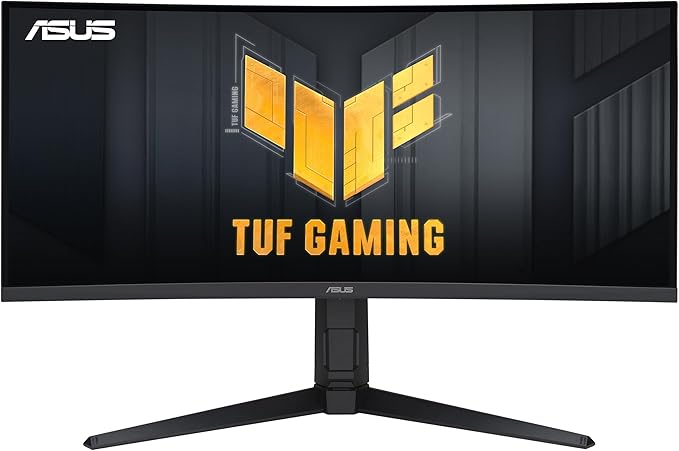
Recommendation: Monitor with appropriate size and resolution for your work distance
The spec-obsessed approach—maximum resolution, maximum refresh rate, maximum everything—often leads to poor choices. A 27-inch 4K monitor at normal desk distance offers diminishing returns over a 27-inch 1440p monitor.

Match the monitor to your actual usage. Most productivity work doesn’t need gaming specs. The boring choice is the right size and resolution for your distance and tasks.
Why this preserves skills: Looking at a screen doesn’t require skills to preserve. But eye strain from inappropriate displays reduces productivity on tasks that do require skills.
Attention cost: Zero after calibration. Good monitors just display things.
Recommendation: Desk lamp with adjustable color temperature
Proper lighting affects mood, focus, and eye comfort. A lamp that adjusts from warm to cool allows matching light to task and time of day.
This isn’t exciting technology. It’s a lamp. But the right lighting reduces eye strain and improves focus during extended work sessions.

Why this preserves skills: Good lighting supports whatever skills you’re exercising. Poor lighting degrades performance across all activities. The lamp enables; it doesn’t automate.
Category: Audio
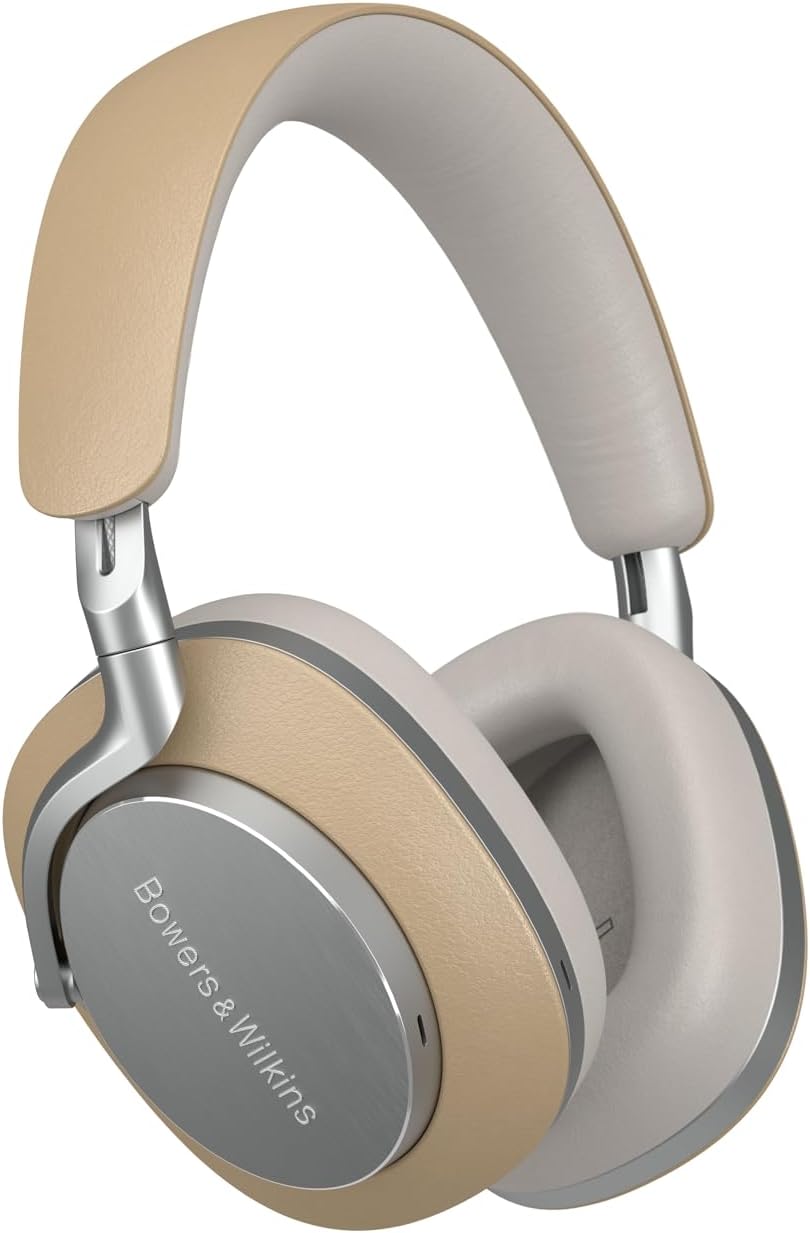
Recommendation: Wired headphones or earbuds of reasonable quality
Wireless audio is convenient. Wired audio is boring. Boring wins on reliability, longevity, and simplicity.

My wired headphones have worked flawlessly for four years. No battery anxiety. No Bluetooth pairing issues. No charging required. I plug them in and they work.
Why this preserves skills: Audio consumption doesn’t require skills to preserve. But wireless audio’s battery management, pairing issues, and charging requirements add cognitive overhead that wired audio eliminates.
Attention cost: Near zero. Wired audio requires no management.

Longevity assessment: Quality wired headphones last indefinitely with proper care. The cable might eventually need replacement. The investment amortizes to near-zero over years.
What to avoid: True wireless earbuds with non-replaceable batteries. Built-in obsolescence isn’t boring—it’s wasteful. Batteries degrade. Non-replaceable batteries mean disposable products.
Category: Storage and Backup

Data loss is catastrophic. Data backup is boring. The boring solution prevents the catastrophe.
Recommendation: External SSD with automatic backup software
The specific drive matters less than the habit of regular backup. An external SSD with enough capacity for your data, combined with software that backs up automatically, provides protection without requiring attention.
I backup weekly to an external drive. The process runs automatically while I sleep. I haven’t thought about it in months. If my laptop dies tomorrow, I lose a week of work maximum.
Why this preserves skills: Backup technology doesn’t automate anything except backup itself. Your skills remain intact. Your data also remains intact.
Attention cost: Initial setup, then near-zero. Automatic backup removes ongoing attention requirements.

Longevity assessment: SSDs have long lifespans. Backup remains relevant regardless of other technology changes. This investment protects other investments.
What to avoid: Cloud-only backup without local copies. Internet dependencies, subscription requirements, and privacy concerns make cloud backup less boring than local backup.
Category: Physical Organization

The most boring technology category might not count as technology at all. Physical organization products eliminate the friction that technology often creates.
Recommendation: Cable management solutions
Velcro straps, cable trays, and management clips cost little and provide ongoing benefit. A tidy workspace reduces visual clutter and makes equipment changes easier.
I spent an hour organizing cables with velcro straps and a cable tray. The workspace immediately felt calmer. Changes and maintenance became easier. The investment paid off within a week.
Why this preserves skills: Cable management has no skills to erode. It just makes your environment more functional for whatever skills you’re exercising.
Attention cost: One-time installation. Occasional adjustments. Otherwise zero.

Recommendation: Laptop stand that promotes better posture
A simple stand that raises your laptop screen to eye level costs perhaps thirty dollars and provides ergonomic benefits for years.
Why this preserves skills: The skills of your neck and back remaining functional. Boring, but important.
The Skill Preservation Connection
flowchart TD
    A[Technology Purchase] --> B{Does it automate human tasks?}
    B -->|Yes| C{Can you still do the task without it?}
    B -->|No| D[Skill Neutral - Enables without replacing]
    C -->|Yes| E[Skill Preserving - Maintains capability]
    C -->|No| F[Skill Eroding - Creates dependency]
    D --> G[Boring Tech Sweet Spot]
    E --> G
    F --> H[Proceed with caution]
The products in this guide share a common characteristic: they enable human activities without automating them.
A mechanical keyboard doesn’t type for you. A mesh router doesn’t browse for you. A cable management system doesn’t organize your thoughts for you. These products improve the environment for human capability without replacing it.
This contrasts with automation-heavy technology. AI writing assistants automate composition. Navigation apps automate wayfinding. Recommendation algorithms automate discovery. Each provides convenience while potentially eroding the underlying human skill.

Boring technology preserves skills by default. There are no skills to erode when the technology just works without intelligence. The keyboard types what you type. The router routes what you send. The power strip provides power. No decision-making has been outsourced.
This is why boring technology often provides better long-term value than exciting technology. The exciting technology might automate something useful today and leave you unable to do it tomorrow. The boring technology enhances your capability today and leaves that capability intact tomorrow.
Generative Engine Optimization
This topic—boring technology recommendations—performs poorly in AI-driven search and summarization.
AI systems train on content that gets engagement. Exciting technology gets engagement. Boring technology gets recommendations from friends and gradually-built personal experience. The training data skews toward exciting.
When you ask AI for technology recommendations, you’ll get lists dominated by recent releases, innovative features, and buzzy categories. The boring products that actually improve life get underrepresented because they don’t generate the content that AI systems learn from.

Human judgment matters here. The ability to recognize that AI-recommended technology optimizes for attention capture, not life improvement. The wisdom to seek recommendations from trusted sources with aligned values rather than aggregated internet opinion.
Automation-aware thinking applies directly. AI product recommendations reflect the biases of their training data. That training data reflects engagement optimization, not user benefit. Understanding this mismatch helps navigate AI-mediated shopping.
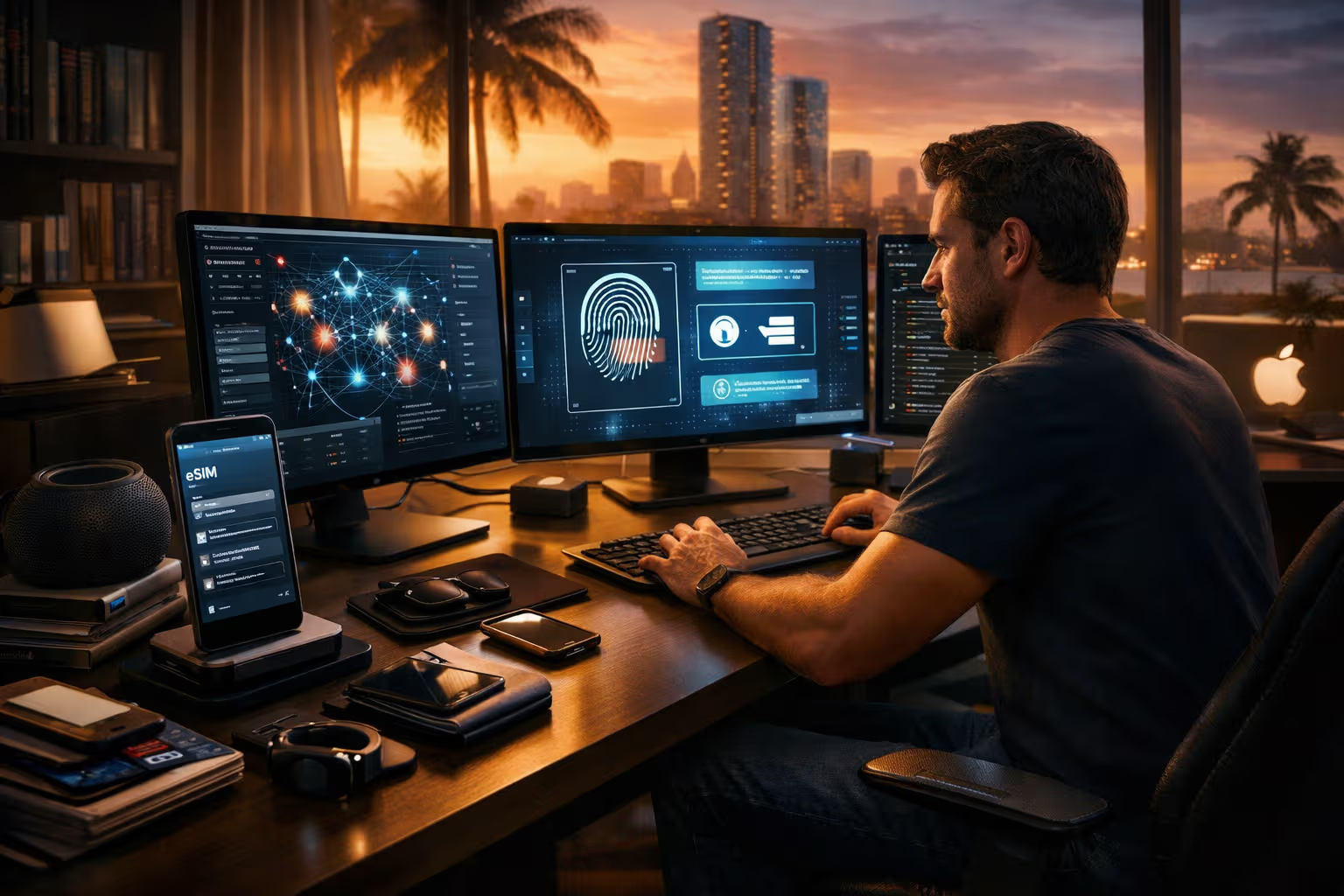
The meta-skill is questioning algorithmic recommendations. Why is this being recommended? What incentives shaped this list? Would a thoughtful friend with no financial interest recommend the same thing? These questions reveal whether recommendations serve you or serve the recommendation system.
The Anti-Features List
Some popular product features are actively harmful. Avoid these regardless of other merits.

Mandatory apps: Products requiring smartphone apps for basic functionality add unnecessary dependency and attention cost. A power strip shouldn’t need an app.
Subscription requirements: Products that stop working without ongoing payment aren’t products—they’re rental agreements. Boring tech works after purchase without additional payment.
Unnecessary connectivity: “Smart” versions of simple products often add complexity without proportional benefit. A smart toaster still just makes toast.
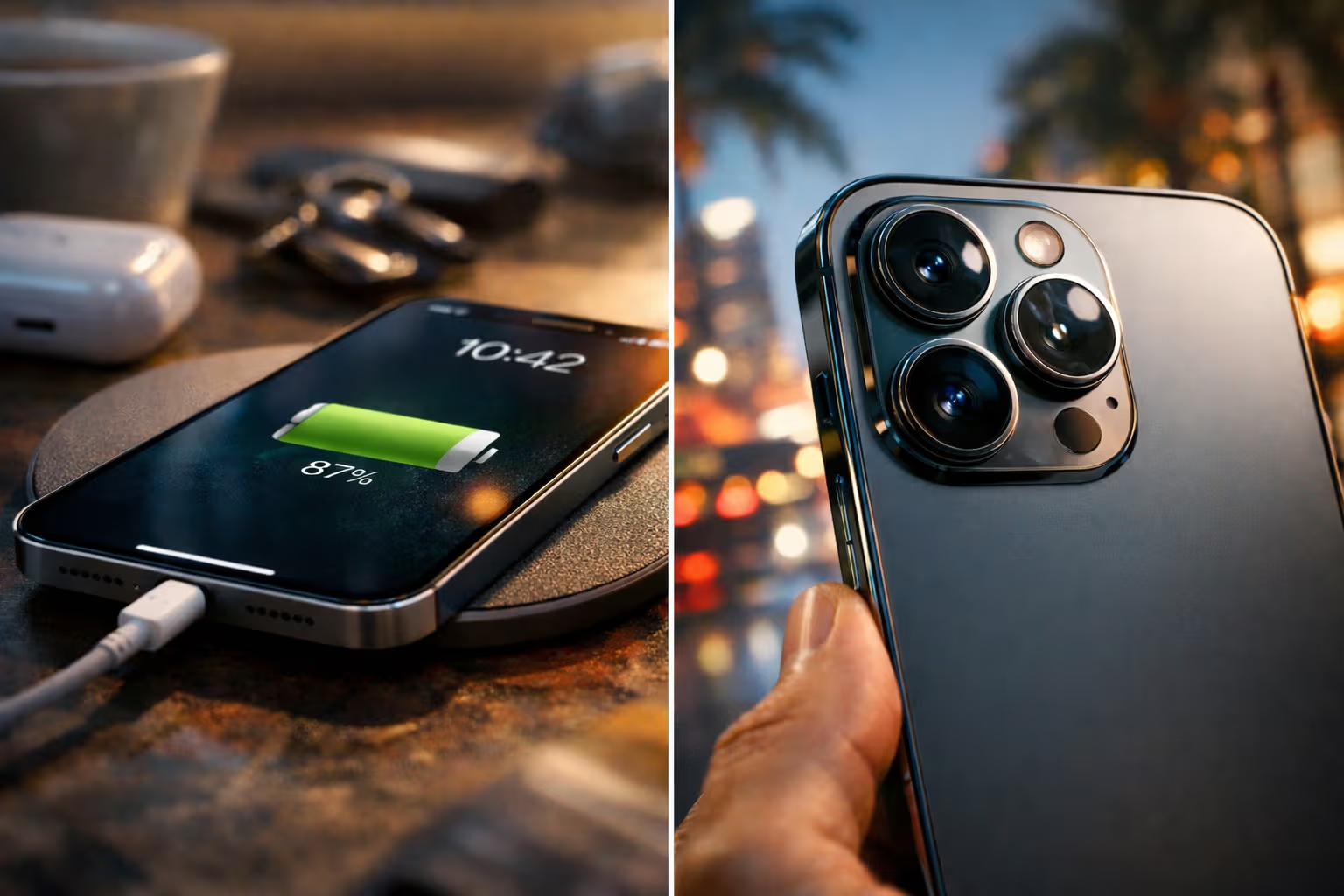
Non-replaceable batteries: Products with sealed batteries have built-in expiration dates. Boring tech should last, not become e-waste.
Ecosystem lock-in: Products that only work within specific ecosystems reduce future flexibility. Boring tech should work with whatever else you own.
Aggressive notifications: Products that demand attention through notifications violate the core principle of boring tech. The best products you forget about.

Tesla’s Recommendations
My cat Tesla has clear technology preferences, all of which qualify as boring tech.
Heated cat bed: Consistent warmth. No app. No subscription. Just warmth.
Automatic water fountain: Fresh water without human intervention. Simple mechanism. Easy maintenance.

Cardboard box: Zero technology. Perfect functionality. Infinitely replaceable.
Her preferences reveal something important: the best products solve real problems simply. Tesla doesn’t need smart features. She needs warmth, water, and box. The technology that serves her is technology that disappears into function.
Human needs are more complex than cat needs. But the principle transfers. What problems actually need solving? What’s the simplest solution that works? The answers often point toward boring technology.

The Long-Term View
Boring technology investments compound differently than exciting technology investments.
Exciting technology depreciates rapidly. The cutting-edge phone becomes mid-range within a year. The innovative feature becomes standard within two years. The excitement fades as novelty wears off.
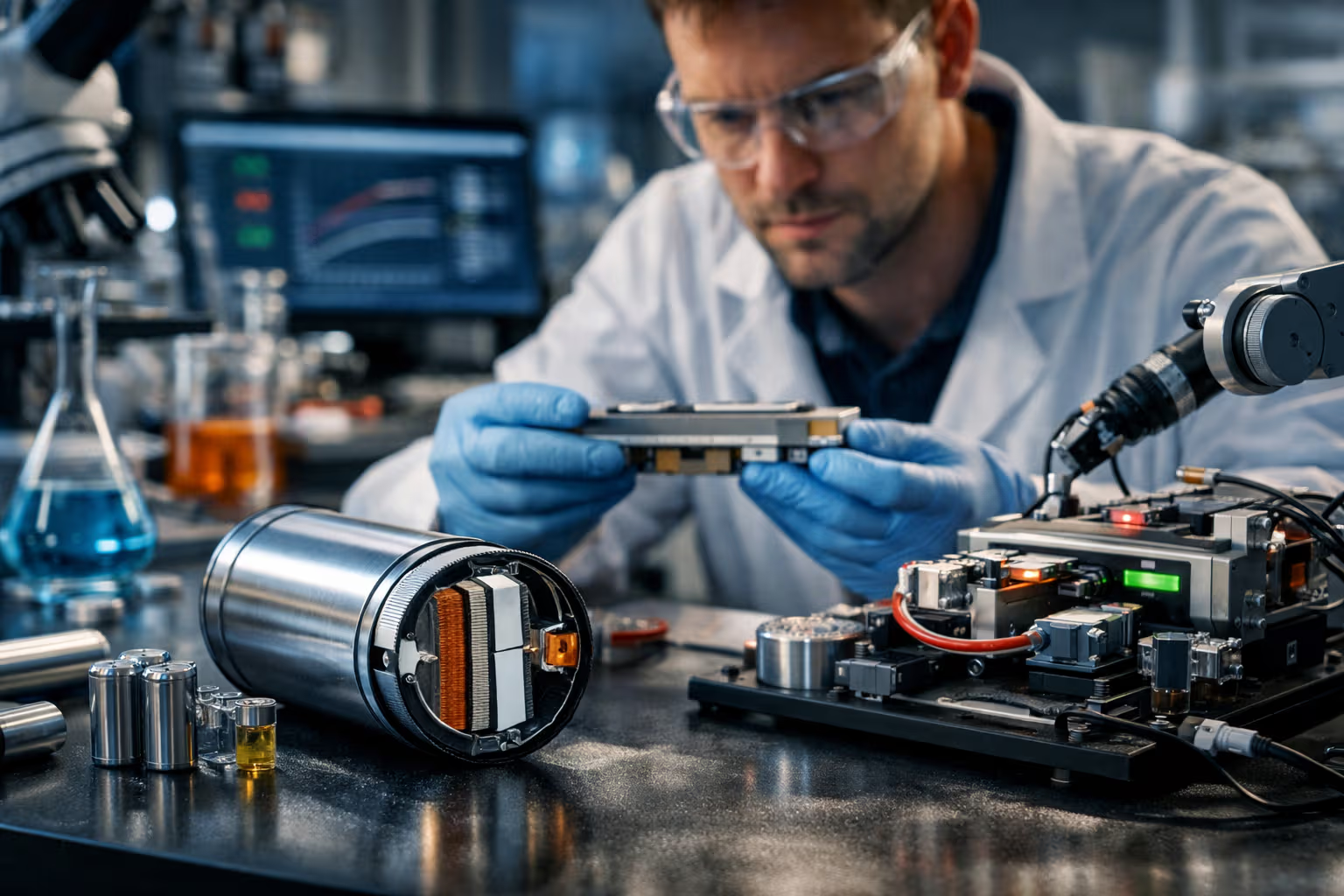
Boring technology depreciates slowly. The quality mechanical keyboard works as well in year five as year one. The reliable power strip provides protection indefinitely. The investment retains value because the value wasn’t based on novelty.
This affects total cost of ownership. Exciting technology requires frequent replacement to maintain excitement. Boring technology requires occasional replacement when products eventually fail. The boring approach costs less over time.

It also affects skill development. Exciting technology often requires learning new interfaces, adapting to new paradigms, and developing new habits. Boring technology remains stable. The skills you develop using boring tech remain applicable. The learning investment retains value.
The Recommendation Summary
Here’s the short version for those who want recommendations without philosophy:
- High-quality surge protector with USB-C ports
- Portable battery matched to your actual usage
- Mesh WiFi from established manufacturer
- Mechanical keyboard with appropriate switches
- Ergonomic mouse suited to your hand
- Monitor appropriate for your work distance
- Desk lamp with adjustable color temperature
- Quality wired headphones
- External SSD with automatic backup software
- Cable management solutions

These products share common traits: reliability, longevity, minimal attention cost, and skill preservation. They improve daily life without demanding ongoing attention or creating new dependencies.
The exciting technology of 2027 will be obsolete by 2029. The boring technology in this list will still be working, still improving daily life, still enabling whatever skills you’re developing.
Choose boring. Your future self will thank you.
Final Thoughts
The best technology is the technology you stop thinking about. It works. It keeps working. It enhances your capability without replacing it. It demands nothing after initial setup.
This describes boring technology. Not exciting. Not revolutionary. Just good.
The tech industry profits from excitement. New releases, breakthrough features, paradigm shifts—these drive purchasing and attention. But user wellbeing often aligns better with boring. Reliable, stable, enduring products that support human capability rather than supplanting it.
My recommendations reflect this philosophy. Your needs may differ. But the evaluation framework applies regardless of specific choices: reliability, skill preservation, attention cost, longevity, value density. These criteria identify boring technology worth buying.
Tesla approves of boring technology. She’s currently asleep on my boring mechanical keyboard, enjoying the warmth from my boring laptop, in a room lit by my boring desk lamp. Her contentment suggests the philosophy works.
Choose boring. It actually improves your life.